

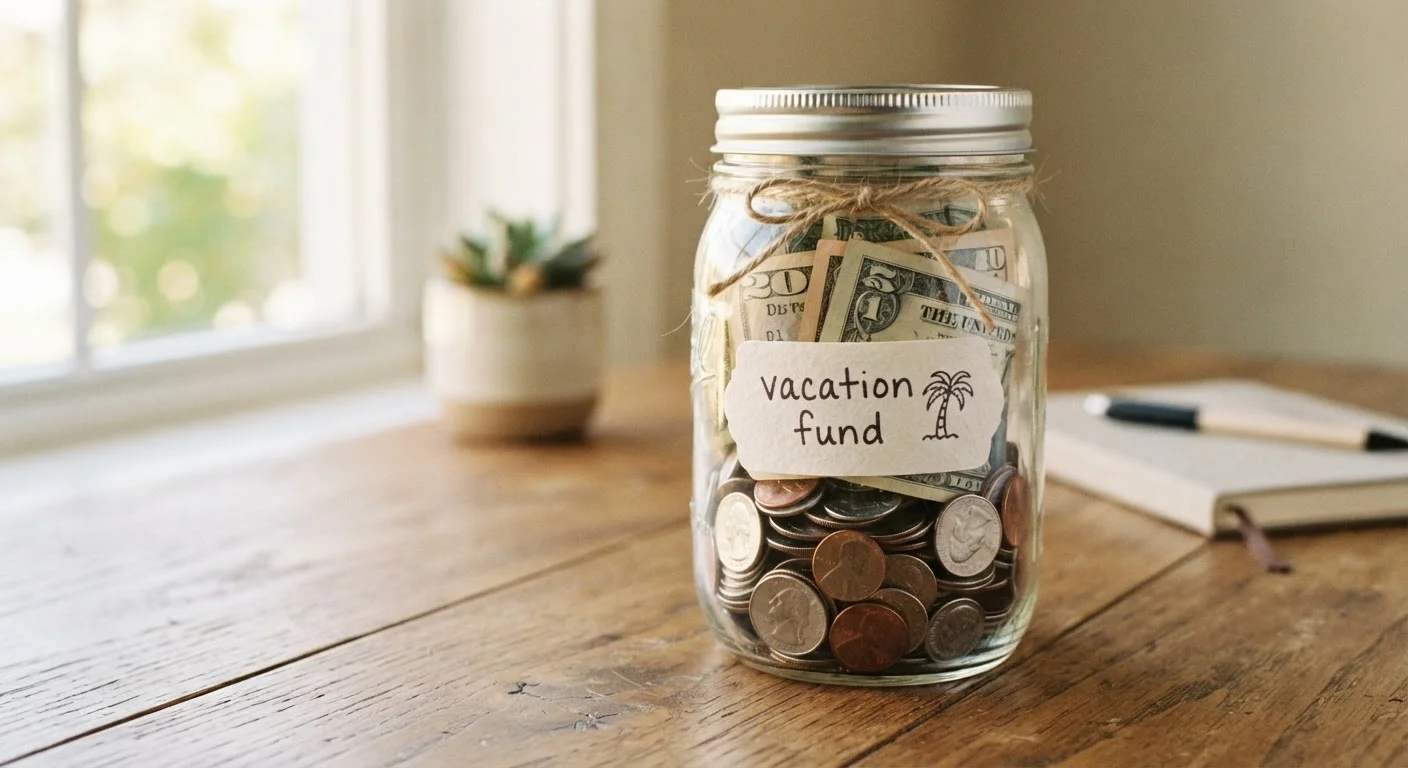
What Problem Does a Sinking Fund Solve?
Most budgets account for regular monthly expenses fairly well - rent, utilities, groceries. The trouble arrives with costs that don't show up every month but are entirely predictable: car registration, annual insurance premiums, back-to-school shopping, or holiday gifts. Without a plan, these expenses hit the budget like a sudden surprise and often force people to dip into savings, carry credit card balances, or scramble to find extra cash.
A sinking fund solves this by treating those future costs as current obligations. You acknowledge the expense well in advance, estimate the total, and begin setting aside a small amount each month until the bill arrives. The expense doesn't shrink - but its psychological and financial weight does, because you've been preparing for it all along.
~36%
Americans with no emergency savings
A Bankrate survey found roughly a third of U.S. adults have no dedicated savings buffer, making unplanned large expenses a frequent budget disruptor.
$1,400+
Average annual car maintenance cost per vehicle
AAA estimates average vehicle ownership costs include significant ongoing maintenance and repair expenses - a predictable category well-suited to a sinking fund.
$998
Average U.S. holiday spending per consumer
The National Retail Federation has consistently tracked annual holiday spending around this level, highlighting how much seasonal costs can strain a budget without advance planning.
How to Set One Up
The math behind a sinking fund is straightforward. Start by identifying a specific upcoming expense and estimating its total cost. Then count the months between now and when you'll need the money. Divide the total by that number of months, and that's your monthly contribution.
For instance, if your car typically needs $600 in annual maintenance, divide that by 12 to get a $50 monthly contribution. Set that amount aside in a dedicated savings account each month, and by the time the repair bill arrives, you've already funded it.
A few practical steps to get started:
- List your irregular expenses: Think annually - subscriptions, travel, vehicle costs, home maintenance, medical copays, gifts.
- Estimate each total: Use past bills, receipts, or reasonable estimates if you lack exact figures.
- Open a separate account (or accounts): Keeping sinking funds apart from your checking account reduces the temptation to spend them.
- Automate contributions: Treat the monthly amount like a fixed bill and set up automatic transfers on payday.
Once the habit is in place, consider folding it into your broader monthly budget structure. Our guide on building a complete monthly budget shows how to sequence your spending priorities, including savings goals like these.
Sinking Funds vs. Emergency Funds: Know the Difference
It's easy to conflate sinking funds with emergency funds, but they serve genuinely different purposes. An emergency fund covers unexpected, unplanned financial shocks - job loss, sudden medical bills, urgent home repairs you couldn't have anticipated. A sinking fund, by contrast, is reserved for costs you know are coming; the only variable is exact timing or amount.
Both are valuable and ideally both exist in your financial plan. Relying on your emergency fund for planned expenses - like car registration or a vacation - depletes a reserve meant for true emergencies and can leave you exposed when genuine crises arise. For a plain-language breakdown of emergency fund sizing and storage, see emergency fund basics.
Label Each Sinking Fund Clearly
If your bank allows it, name each savings account or sub-account after its purpose - 'Car Maintenance,' 'Vacation 2026,' 'Annual Insurance.' Clear labels reduce the temptation to dip into one fund for another purpose and make it easier to track progress toward each goal.
Making Sinking Funds Work Long-Term
The effectiveness of sinking funds grows with consistency. A $30-per-month travel sinking fund started 10 months before a trip accumulates $300 - enough to meaningfully offset airfare or accommodation costs. The same approach applied across several categories simultaneously creates a budget that absorbs predictable costs with very little disruption.
Review your sinking funds at least annually. As costs change - insurance premiums adjust, kids' activities shift - recalibrate your monthly contributions accordingly. If you've found it difficult to build any savings habit at all, start with a single sinking fund for your most predictable upcoming expense. Our guide on building a savings habit when your budget feels tight offers practical strategies for making consistent contributions even when margin is slim.
Used well, sinking funds don't just reduce financial stress around big purchases - they shift the mindset from reactive to proactive. Money problems that once felt like emergencies gradually reveal themselves as expenses that could have been planned for. That shift, over time, is one of the more meaningful benefits of consistent budgeting.
This article is for general informational and educational purposes only and does not constitute personalized financial advice. Consult a qualified financial professional for guidance tailored to your situation.
Frequently Asked Questions
A sinking fund targets predictable, planned expenses you know are coming - like car registration or a vacation. An emergency fund covers unexpected financial shocks, such as a sudden job loss or an unplanned medical bill. They serve different purposes and ideally coexist in your budget. See our <a href="/finance/saving-and-debt/sinking-funds-rainy-day-funds-and-emergency-funds-clearing-up-the-confusion">full comparison of sinking, rainy day, and emergency funds</a> for more detail.
Most people keep sinking fund money in a separate savings account, or even multiple labeled accounts, to avoid accidentally spending it. A high-yield savings account works well because the money stays accessible while potentially earning modest interest. The key is keeping it separate from your everyday checking account.
There's no set limit - you can run as many sinking funds as your budget supports. Common categories include car maintenance, home repairs, travel, holidays, and annual subscriptions. Start with one or two, then add more as your budgeting system becomes routine.
Divide the total amount you need by the number of months until the expense is due. For example, if you expect to spend $1,200 on holiday gifts in December and it's currently June, you'd save $200 per month across six months. Adjust as your estimate changes.
Yes - even small amounts matter. A contribution of $10 or $20 per month reduces how much you'll need to find all at once when the expense arrives. Starting earlier gives smaller contributions more time to accumulate. Our article on <a href="/finance/saving-and-debt/building-a-savings-habit-when-your-budget-already-feels-tight">building a savings habit on a tight budget</a> covers how to get started when money feels limited.
Yes - sinking fund contributions should be treated as a monthly line item in your budget, just like rent or groceries. Planning them in advance means you're less likely to skip a month. For a full look at how to structure your budget, see <a href="/finance/budgeting-basics/everything-that-should-go-into-a-monthly-budget-and-in-what-order">everything that should go into a monthly budget</a>.
The content on this site is for informational purposes only and is not a substitute for professional advice. Always consult a qualified professional for guidance specific to your situation.