

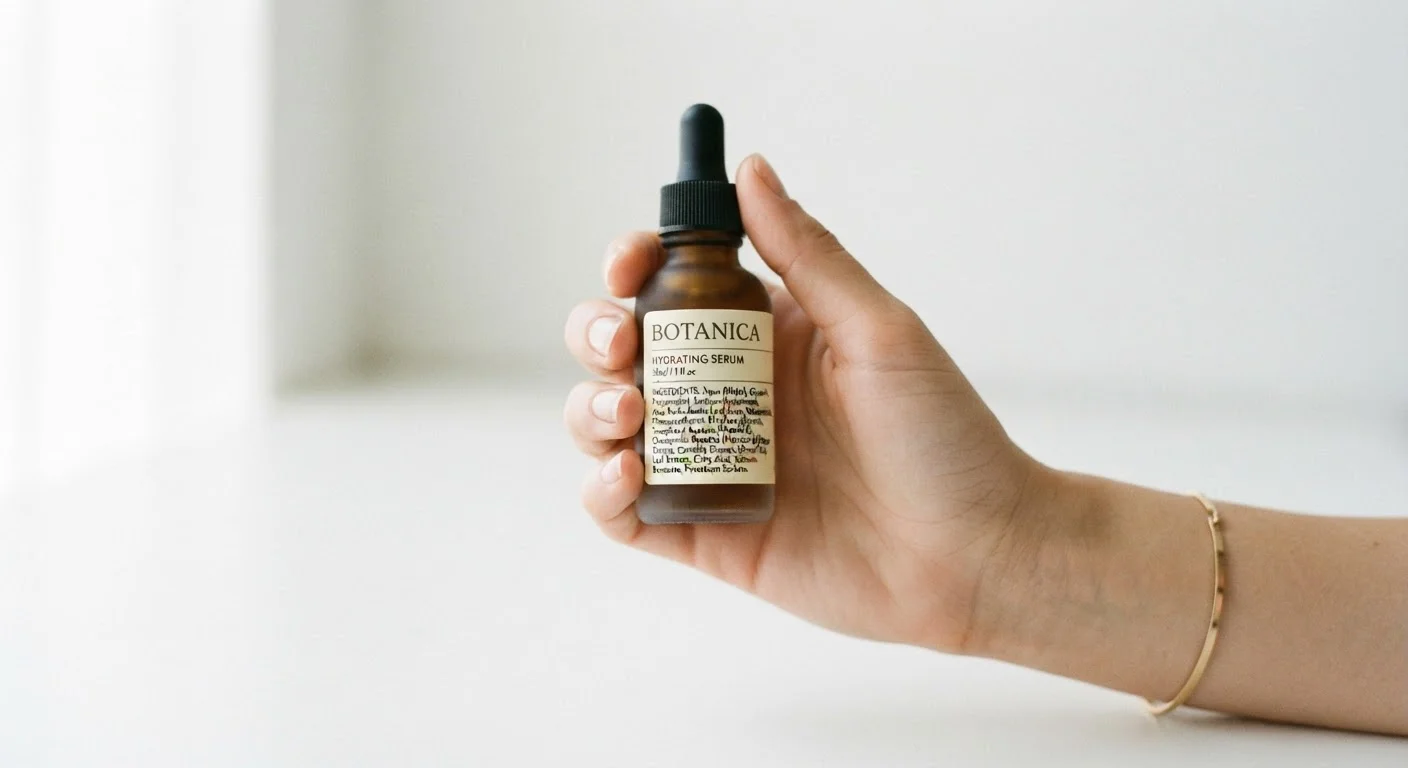
Why the Ingredient List Is the Most Honest Part of the Label
The front of a skincare product is marketing. The back - specifically the ingredient list - is regulated disclosure. In the United States, the FDA requires cosmetic products to list all ingredients using INCI names: a globally standardized naming system that uses Latin botanical names and established chemical nomenclature. These names can look intimidating, but their consistency is actually useful once you know the rules.
Understanding even the basics of how an ingredient list is structured puts you in a much stronger position than relying on front-of-pack claims like "advanced," "clinically proven," or "dermatologist-tested" - terms that carry no single regulatory definition in cosmetic labeling. For a related look at how vague label language works in practice, see our guide on what "non-comedogenic" actually means.
What you will need
How to Read a Skincare Ingredient List Step by Step
Use the steps below as a repeatable process any time you evaluate a new product. You do not need a chemistry background - you need a framework.
Start at the Top: Understand Concentration Order
Ingredients are listed from highest to lowest concentration by weight. The first five or so ingredients typically make up the bulk of the formula - often 80% or more. Water (listed as aqua) leads most water-based products. If an active ingredient you care about appears near the bottom, it is present in a very small amount.
Decode the INCI Name System
INCI names are standardized internationally, which means the same ingredient carries the same name across brands. Plant-derived ingredients use their Latin genus and species name (e.g., Aloe Barbadensis Leaf Juice). Synthetic or mineral ingredients use established chemical names (e.g., Niacinamide, Glycerin). A long or unfamiliar name does not signal danger - it signals standardization. When a name is unfamiliar, search it in a reputable cosmetic ingredient database before drawing conclusions.
Identify the Base, the Actives, and the Supporting Cast
Mentally divide the list into three zones. The base (top of the list) provides texture, hydration, and delivery - water, emollients like Cetyl Alcohol, and humectants like Glycerin. The actives are the ingredients doing targeted work - Niacinamide, Retinol, Ascorbic Acid (vitamin C), Salicylic Acid. The supporting cast at the end includes preservatives, stabilizers, and fragrance. Knowing which zone your hero ingredient sits in tells you how much of the formula is actually devoted to it.
Flag Marketing Terms and Cross-Check Them Against the List
Front-of-pack phrases like "infused with," "with the power of," or "enriched by" are marketing language, not formulation guarantees. After noting any claims on the front label, find the corresponding ingredient in the list and assess its position. If a product claims vitamin C benefits but Ascorbic Acid or a recognized vitamin C derivative appears well after fragrance, the concentration is likely too low to deliver the advertised effect.
Note Any Ingredients That Have Triggered Reactions Before
If you have experienced irritation, redness, or breakouts from past products, build a personal reference list of the ingredients present in those formulas. Scanning future ingredient lists for those same entries becomes faster with practice. Fragrance compounds, certain preservatives, and high-concentration exfoliating acids are among the most frequently reported sources of sensitivity. Pairing ingredient literacy with an understanding of your skin type helps you narrow down which ingredients to watch for.
Use a Cosmetic Ingredient Database
Free, reputable ingredient-lookup databases allow you to search any INCI name and read a plain-language summary of its function and safety profile. Making this a habit before purchasing a new product takes only a minute or two and significantly sharpens your label-reading skills over time.
Spotting Potential Irritants and Understanding What's Missing
Once you've assessed concentration and recognized landmark ingredients, turn your attention to two common areas of concern: fragrance and preservatives.
"Fragrance" or "parfum" is a single listing that can represent a blend of dozens of undisclosed compounds. Some individuals with sensitive or reactive skin find these blends problematic. Our in-depth article on why fragrance in skincare is more complicated than it sounds walks through the evidence carefully.
Preservatives - such as phenoxyethanol, ethylhexylglycerin, or parabens - typically appear toward the end of the list. Their low concentration does not mean they are unimportant; they prevent microbial growth and protect product safety. If you have known sensitivities, look for these specifically rather than ruling out entire categories based on headlines.
Also consider what isn't listed. A product marketed around a single hero ingredient may contain it at a concentration too low to be effective. Position in the list is your best guide. If your target ingredient appears after fragrance or after "aqua" near the very end, its functional contribution is likely minimal. Once you can read a label, you're also better prepared to avoid common missteps when starting a new skincare routine based on ingredient misunderstandings.
This article is for informational and educational purposes only. It is not a substitute for professional dermatological or medical advice. If you have a skin condition, known allergies, or concerns about a specific ingredient, consult a qualified dermatologist or healthcare provider.
The content on this site is for informational purposes only and is not a substitute for professional advice. Always consult a qualified professional for guidance specific to your situation.