

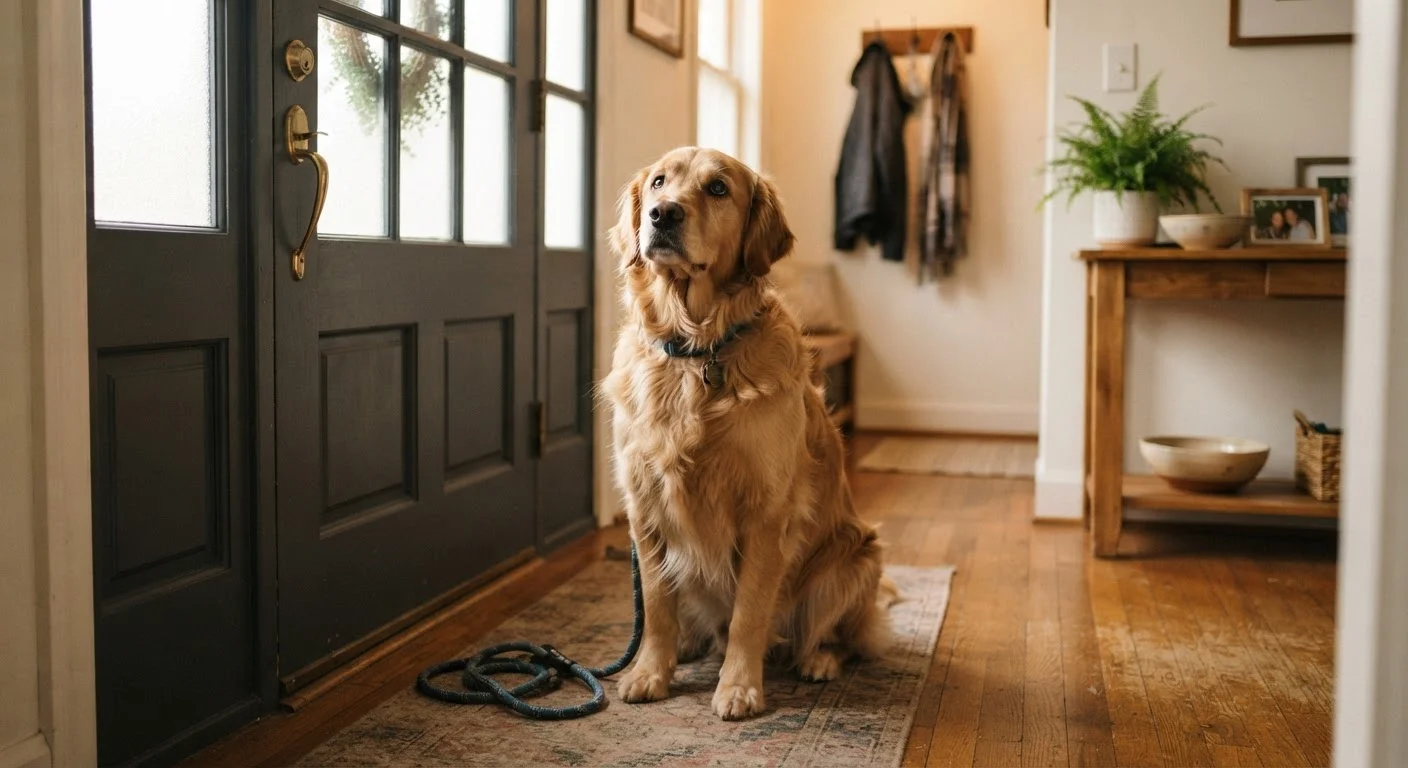
The Real Toll of Inconsistent Walks
It's easy to rationalize skipping a walk. You're tired, the weather is unappealing, or the day simply got away from you. But for your dog, that skipped outing isn't a neutral event - it's a missed dose of something their body and mind genuinely depend on.
Dogs aren't wired for sedentary life. Physical movement supports healthy digestion, weight regulation, joint mobility, and cardiovascular function. When walks become irregular, these systems are quietly affected - and the effects compound over weeks and months in ways that aren't always visible until they become a real problem.
Obesity in Dogs Is a Serious Health Risk
Canine obesity is linked to a shortened lifespan and increased risk of diabetes, heart disease, osteoarthritis, and certain cancers, according to veterinary research. Weight that accumulates gradually from insufficient exercise can be surprisingly difficult to reverse. Talk to your veterinarian if you're concerned about your dog's weight or energy levels - don't wait until symptoms become obvious.
The behavioral dimension is just as significant. Dogs process the world largely through their noses, and a walk through the neighborhood delivers a rich stream of sensory information that genuinely engages their brains. Without that outlet, excess energy and unmet mental needs don't just disappear - they resurface as anxiety, restlessness, or destructive behavior indoors. You can explore some of the common misconceptions around this in our article on pet behavior myths that many owners still believe.
56%
Dogs classified as overweight or obese
According to the Association for Pet Obesity Prevention, over half of U.S. dogs are estimated to carry excess weight.
2-3x
Higher behavior-problem risk in under-exercised dogs
Veterinary behaviorists generally note that dogs receiving inadequate physical and mental stimulation are significantly more prone to anxiety and destructive behavior.
Mistakes That Make Skipping Walks Worse
Most owners who skip walks aren't being careless - they're making understandable trade-offs or operating on assumptions that turn out to be inaccurate. Recognizing these patterns is the first step toward building a more reliable routine.
Treating walks as optional when life gets busy, rather than a non-negotiable part of the day.
Why it happens: Modern schedules are demanding, and a skipped walk can feel like a minor, low-stakes decision - especially when your dog seems fine at home.
Assuming a backyard fully replaces structured leash walks.
Why it happens: Owners with fenced yards naturally assume their dog is getting enough movement by roaming freely, but most dogs simply lounge rather than self-exercise in outdoor spaces.
Compensating for a week of missed walks with one very long outing.
Why it happens: It feels intuitive to "make up" for lost exercise, and owners genuinely want to do right by their dog when they've fallen behind.
Overlooking the mental stimulation component that walks provide.
Why it happens: Exercise is often framed purely as physical, so owners may not connect a dog's boredom-driven behavior at home to the lack of environmental enrichment on walks.
Waiting until behavior problems appear before taking walk consistency seriously.
Why it happens: Without visible symptoms, it's easy to assume everything is fine - until destructive chewing, accidents indoors, or hyperactivity make the problem undeniable.
Behavioral Problems Can Escalate Fast
Dogs that consistently miss walks don't simply become calm and quiet at home - many develop anxiety-driven behaviors such as destructive chewing, incessant barking, or aggression. These patterns can become deeply ingrained and may require professional behavioral intervention to address. If you've already noticed escalating behavior in your dog, consult a certified veterinary behaviorist or professional dog trainer.
If your schedule makes midday walks difficult, it's worth understanding your options honestly. Our piece on the trade-offs of hiring a dog walker vs. sticking to a home routine walks through both sides of that decision for working pet owners.
The good news is that consistency doesn't require perfection. Small, reliable daily walks - even brief ones - do far more for your dog's health and temperament than sporadic longer outings. Think of it less like a fitness goal and more like a daily necessity, in the same category as food and water.
This article is for general informational purposes only and is not a substitute for professional veterinary advice. Always consult a licensed veterinarian regarding your individual dog's health, exercise needs, or behavioral concerns.
The content on this site is for informational purposes only and is not a substitute for professional advice. Always consult a qualified professional for guidance specific to your situation.