

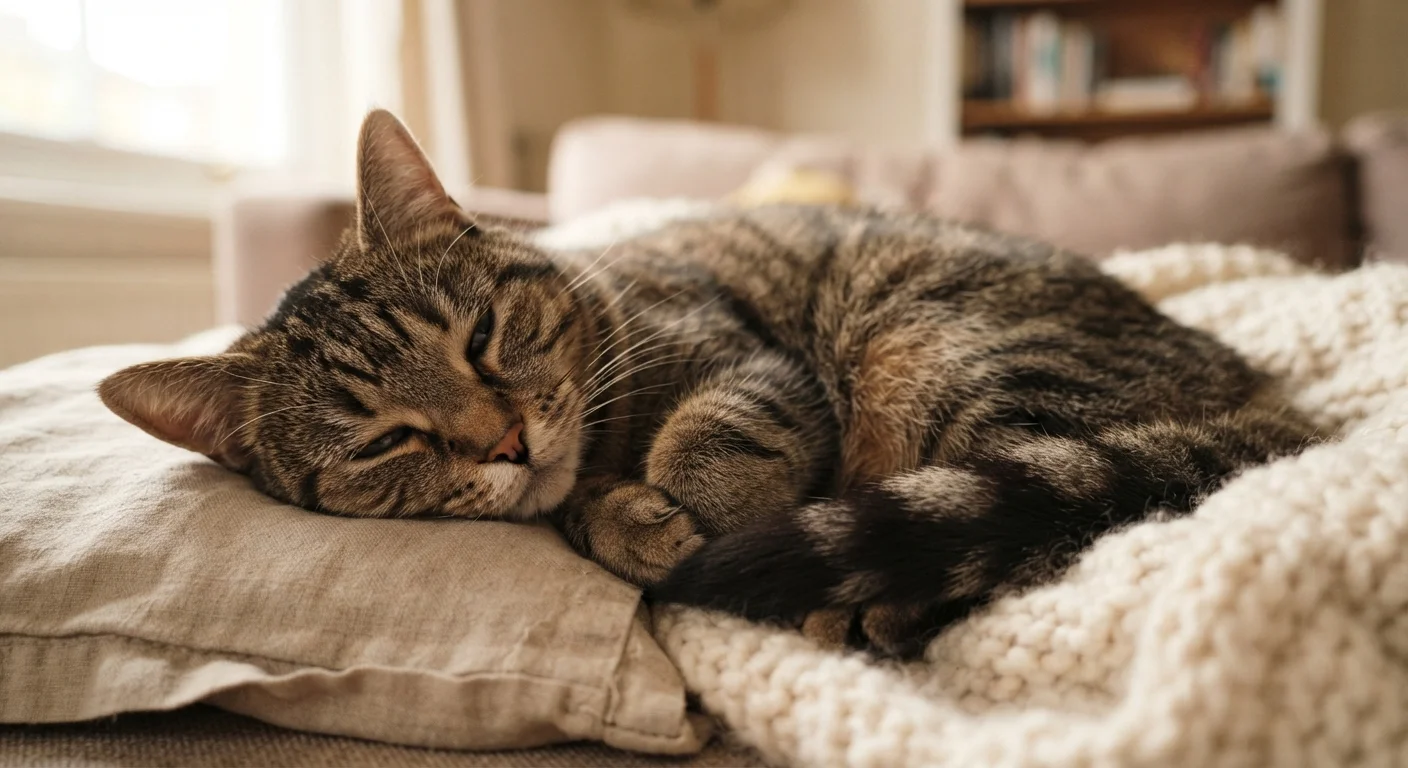
Why Feline Body Language Matters
Cats are often labeled mysterious or aloof, but that reputation mostly reflects a communication gap - not a personality flaw. Cats express themselves continuously through posture, tail position, ear angle, eye shape, and vocalizations. When owners learn to read these signals accurately, the relationship deepens and misunderstandings that can lead to stress or accidental injury are far less likely.
Body language cues rarely appear in isolation. A single signal - a flattened ear, for example - carries different meaning depending on what the rest of the body is doing. Reading the full picture is what separates a confident cat from an anxious one. If a signal seems out of character or persists alongside other changes, it may be worth consulting your veterinarian, since behavioral shifts can sometimes point to underlying health concerns. See when to consult a vet about behavior changes for helpful guidance.
| Primary communication channels | Posture, tail, ears, eyes, vocalization, and scent |
| Slow blink meaning | Trust and affection - a positive social signal (Feline behavior research consensus) |
| Purring context | Not always happiness - also occurs during stress or pain |
| Upright tail signal | Friendly greeting; confident and comfortable |
| Puffed tail signal | Fear or extreme arousal; cat feels threatened |
| Belly exposure meaning | Trust display - not necessarily an invitation to touch |
Decoding the Tail, Ears, and Eyes
These three body regions are your clearest real-time windows into your cat's emotional state.
The Tail
- Upright tail, slightly curved at tip: Confident, friendly, and approachable. This is a greeting signal cats often offer their trusted humans.
- Puffed or bristled tail: Fear or extreme arousal. The cat is trying to appear larger in response to a perceived threat.
- Tucked tail: Submission or anxiety. Combined with a hunched posture, this cat wants to be left alone.
- Slow, deliberate lashing: Irritation or high focus. Unlike a dog's wag, a lashing cat tail is a warning to back off.
The Ears
- Forward and upright: Alert and engaged - curious or playful.
- Rotated sideways ("airplane ears"): Anxious or mildly irritated; proceed with caution.
- Pinned flat against the head: Fear or aggression. Avoid direct approaches; give the cat space.
The Eyes
- Slow blink: One of the most affectionate signals a cat can offer. Returning the slow blink to your cat is widely considered a trust-building gesture among feline behavior researchers.
- Dilated pupils: Arousal - could be play excitement, fear, or overstimulation; context determines which.
- Constricted pupils in bright light: Relaxed and content. Paired with a soft gaze, this signals comfort.
- Hard, unblinking stare: Challenge or threat. Sustained direct eye contact can feel confrontational to cats.
Slow blink
A deliberate, half-closing and reopening of the eyes that cats direct toward individuals they trust. Feline behavior researchers regard it as an affiliative, non-threatening signal.
Bunting
The behavior of rubbing the head or face against a person or object. Cats have scent glands in these areas, so bunting transfers their scent and functions as a social bonding gesture.
Piloerection
The involuntary raising of fur along the spine and tail, producing a puffed or bristled appearance. It occurs when a cat is frightened or highly aroused and is controlled by the autonomic nervous system.
Affiliative behavior
Actions that promote social bonding and positive relationships, such as grooming, slow blinking, or head bunting. In cats, these behaviors signal comfort and trust.
Displacement behavior
An out-of-context behavior - like sudden grooming during a tense interaction - that signals internal conflict or stress. It can be easy to miss because it looks ordinary.
Posture, Touch, and Vocalizations
Body posture and sound fill in the story that individual signals begin.
Posture Signals
- Belly exposed: This is a sign of trust, not an automatic invitation to touch. Many cats will swat a hand that reaches for their exposed belly - they're displaying comfort with you, not necessarily requesting a rub.
- Arched back, sideways stance: Classic defensive posture. The cat feels threatened and is preparing to look intimidating.
- Loaf position (paws tucked under body): Relaxed but alert - comfortable enough to rest, still attentive to surroundings.
- Head bunting (rubbing head against you): Affection and scent-marking. Your cat is claiming you as part of their social group.
What Vocalizations Add
Purring is not always contentment - cats also purr when stressed or in pain, possibly as a self-soothing mechanism. Chirping or chattering near a window typically signals predatory excitement. Yowling or excessive vocalization, especially in older cats, can signal disorientation, pain, or hearing loss and warrants a veterinary conversation.
Cats who are anxious may show subtler signs that owners often misread as bad behavior. Understanding feline anxiety can help you respond more effectively. And if you're curious how another species' signals compare, decoding dog vocalizations offers a useful contrast.
When body language escalates to growling, hissing, or striking, it's worth understanding the different forms aggression can take. Feline aggression types and de-escalation strategies can help you respond safely and reduce risk over time.
This article is for general informational purposes only and is not a substitute for professional veterinary advice. If you are concerned about your cat's behavior or health, please consult a licensed veterinarian.
The content on this site is for informational purposes only and is not a substitute for professional advice. Always consult a qualified professional for guidance specific to your situation.