

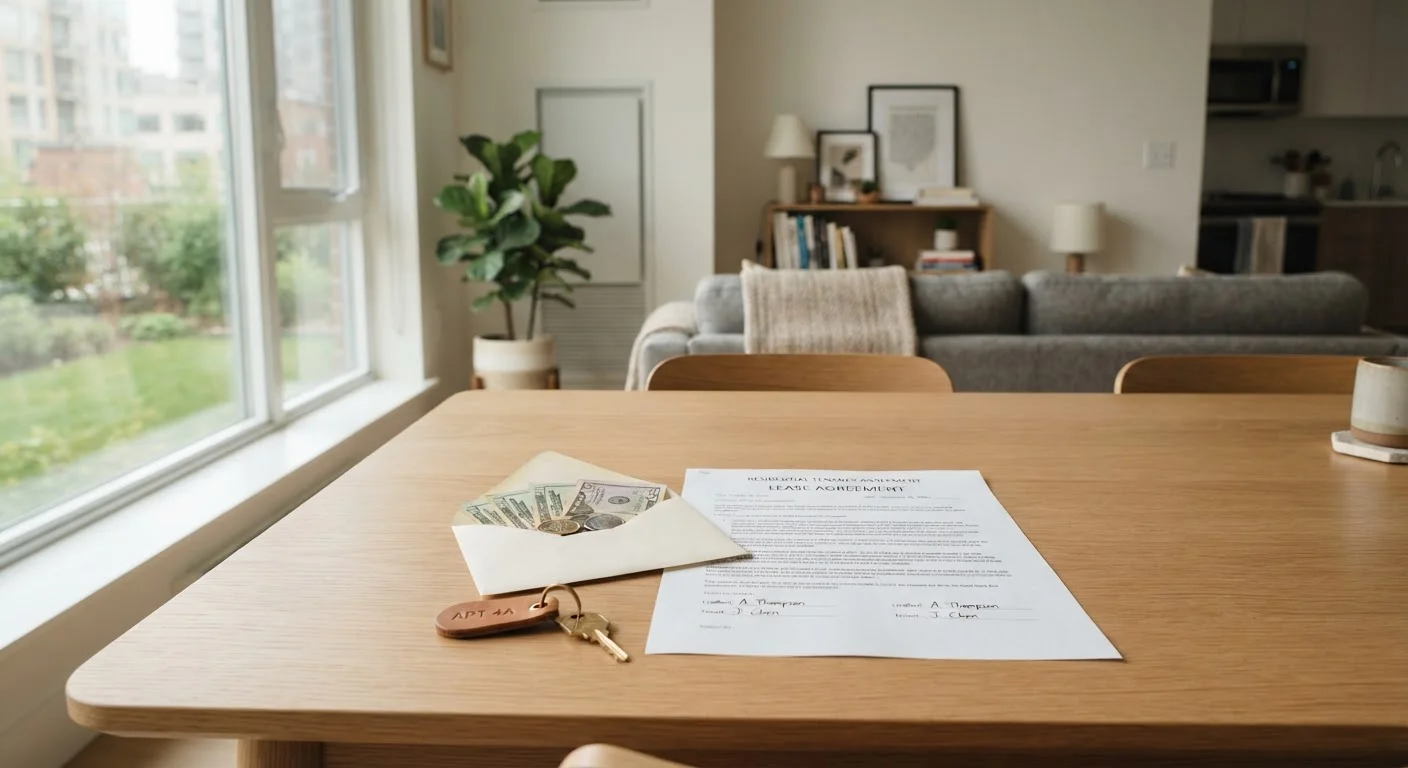
What Is a Security Deposit and Why Does It Matter?
A security deposit is a sum of money a tenant pays a landlord before moving in. It serves as financial protection for the landlord in case the tenant causes damage beyond normal wear and tear, fails to pay rent, or breaks the lease. For renters, it represents a significant upfront cost - often equal to one or two months' rent - and getting it back in full depends heavily on understanding the rules that govern it.
Because security deposit law is set almost entirely at the state level, the rules a tenant in California faces can differ dramatically from those in Texas or New York. Before signing any lease, it pays to know your state's framework. See our what to watch for before signing a rental agreement for broader pre-lease guidance.
| Typical deposit cap | 1-2 months' rent (Varies by state; some states set no cap) |
| Common return deadline | 14-45 days after move-out (Deadline set by individual state law) |
| States requiring interest on deposits | Approximately 15 states (Including MA, NY, and IL among others) |
| Penalty for wrongful withholding | 2x-3x deposit amount (Applies in many states when deadlines are missed) |
| Itemization deadline | Typically 14-30 days (After tenant vacates; varies by state) |
Deposit Limits, Storage Requirements, and Itemization Rules
Deposit caps. Many states limit how much a landlord can collect. Common caps range from one to two months' rent, though some states impose no statutory maximum. Always check your state's specific limit - a landlord who collects more than allowed may forfeit certain legal rights.
Separate accounts. A number of states require landlords to hold security deposits in a dedicated escrow or trust account, separate from their own operating funds. Some states further require the landlord to disclose the name and address of the bank holding the deposit. This protects tenants if the landlord faces financial difficulties.
Interest on deposits. Several states - including Massachusetts, New York, and Illinois - require landlords to pay tenants interest on their security deposit if it is held for longer than a specified period. The rate is typically set by state law or tied to a standard bank rate.
Itemized deductions. When a landlord withholds any portion of a deposit, most states require a written, itemized list of deductions delivered to the former tenant within a set deadline - commonly 14 to 30 days after move-out. Failure to provide this itemization on time can result in the landlord losing the right to make any deductions at all.
Security deposit
A sum paid by a tenant to a landlord before occupancy to cover potential damage, unpaid rent, or lease violations. It must generally be returned after the tenancy ends, minus lawful deductions.
Normal wear and tear
Minor deterioration that occurs through ordinary, everyday use of a rental unit - such as small nail holes or faded paint. Landlords generally cannot deduct for this from a security deposit.
Escrow account
A separate bank account held by a third party or set aside specifically to hold funds like security deposits. Some states require landlords to use such accounts to protect tenant money.
Itemized deduction statement
A written document a landlord must provide listing each specific deduction taken from a security deposit, along with the dollar amount and reason. Most states require this within a fixed deadline after move-out.
Return Deadlines and What Happens When Landlords Don't Comply
Every state sets a deadline by which a landlord must return the security deposit (minus any lawful deductions) after a tenancy ends. Deadlines typically range from 14 to 45 days from the date the tenant vacates or returns the keys, whichever the state specifies. Missing this deadline carries real consequences.
In many states, a landlord who fails to return the deposit or provide a proper itemization within the legal window can be held liable for double or even triple the original deposit amount, plus attorney's fees. This penalty structure is designed to discourage landlords from wrongfully withholding funds.
To protect yourself, document the unit's condition thoroughly at move-in and move-out using dated photographs or video. Provide your forwarding address in writing when you vacate - the clock on the return deadline typically starts when the landlord has both your departure and your new address. For a full breakdown of what landlords can and cannot keep, see our article on what landlords can legally deduct from your security deposit.
Understanding the broader landscape of renter protections helps too. The core tenant rights explained covers habitability standards and anti-retaliation rules that complement deposit law. If you believe a landlord has wrongfully withheld your deposit, consult a tenant rights organization or licensed attorney in your state for guidance specific to your situation.
Always Get Your Forwarding Address in Writing
Many state laws start the deposit-return clock only after the landlord has received the tenant's new mailing address. Submit this in writing - via email or certified letter - on or before your move-out date. Keeping a copy of that communication can be valuable if a dispute arises later.
The content on this site is for informational purposes only and is not a substitute for professional advice. Always consult a qualified professional for guidance specific to your situation.