

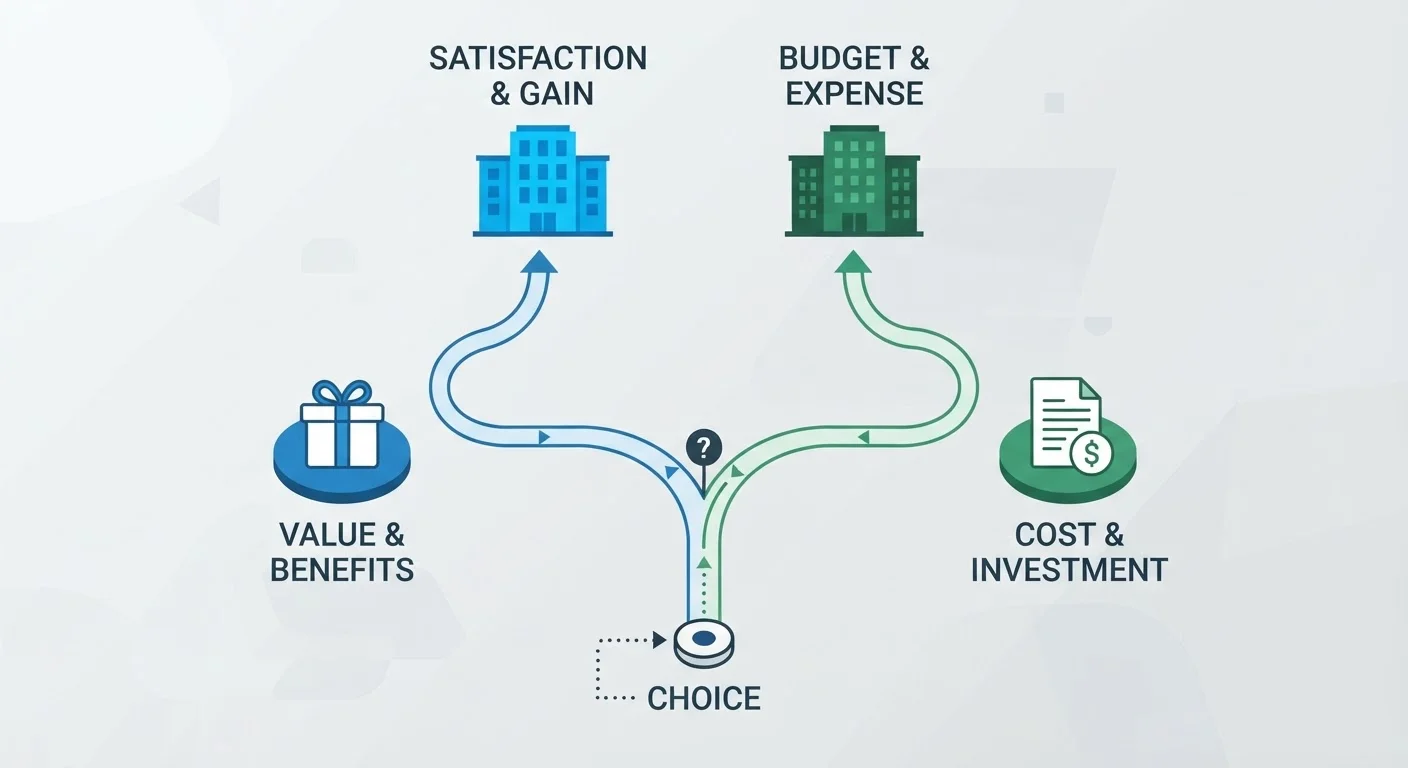
Option A
Business Grants
Free money with strict conditions and fierce competition.
Best for: Entrepreneurs in targeted categories - such as women-owned, minority-owned, or rural businesses - who meet specific eligibility criteria and can handle an application-heavy process.
Option B
Small Business Loans
Flexible capital you must repay, with interest.
Best for: Business owners with an established credit profile, a clear revenue plan, and the confidence to take on structured debt to fund growth or operations.
What Separates a Grant From a Loan
At the most basic level, the difference comes down to repayment. A business grant is money awarded to your business that you are not required to pay back. A small business loan is borrowed capital that you must repay over a set period, typically with interest.
That distinction sounds simple, but it shapes everything - who can access each option, how the money can be spent, and what the real cost is over time. Grants are awarded, not approved; loans are underwritten based on your financial profile. The two funding mechanisms serve different needs and suit different business circumstances.
It's also worth noting that both options sit within a broader funding landscape. For a fuller picture of alternatives, see ways to fund a new business without a bank loan, which covers crowdfunding, angel investors, and revenue-based financing alongside these two.
| Criterion | Business Grants | Small Business Loans |
|---|---|---|
| Repayment required | No | Yes, plus interest |
| Eligibility basis | Category, mission, or geography | Creditworthiness and financials |
| Spending flexibility | Restricted to approved uses | Generally flexible |
| Competition level | Very high | Moderate, based on qualifications |
| Time to funding | Months to over a year | Days to several weeks |
| Application complexity | High - proposals, reporting required | Moderate - financial documentation |
| Financial risk | Low (no repayment obligation) | Higher (default risk, collateral) |
| Best stage of business | Early-stage or targeted growth | Established or revenue-generating |
How Business Grants Actually Work
Grants are funded by government agencies, nonprofit foundations, corporations, and economic development organizations. Federal programs through agencies like the Small Business Administration (SBA) and the U.S. Department of Agriculture (USDA) exist alongside state-level and private grant opportunities.
The trade-off for free money is eligibility. Most grants are targeted - meaning they're designed for specific business types (women-owned, veteran-owned, minority-owned), specific industries (technology, agriculture, clean energy), or specific geographic areas (rural regions, economically distressed zones). If your business doesn't fit the criteria, you simply don't qualify, regardless of how strong your idea is.
Grant applications are also labor-intensive. Expect detailed proposals, financial documentation, impact statements, and sometimes multiple rounds of review. Timelines from application to award can stretch from months to over a year. And even after winning, grant funds typically come with use restrictions - you may be required to spend the money on specific activities, report on outcomes, or return unused funds.
~$50B+
Annual federal small business grant funding (approximate)
The U.S. federal government distributes substantial grant funding annually through agencies including the SBA, USDA, and various research programs - though most targets specific sectors or populations.
13%
Small businesses that applied for and received a grant
According to the Federal Reserve's Small Business Credit Survey, a relatively small share of small businesses successfully obtained grant funding, reflecting the competitive and eligibility-driven nature of the process.
43%
Small businesses that applied for a loan or line of credit
The Federal Reserve's Small Business Credit Survey consistently finds that debt financing is the most commonly pursued external funding source among small businesses in the United States.
How Small Business Loans Work
A small business loan gives you access to a lump sum or a credit line that you repay according to an agreed schedule. Interest rates, repayment terms, and collateral requirements vary depending on the lender and loan type - SBA-backed loans, traditional bank loans, credit union loans, and online lender products all operate differently.
Loans are generally more accessible than grants in one important way: the primary qualifying criteria are financial, not categorical. Your credit score, revenue history, time in business, and debt-to-income ratio drive the decision. This means a well-run business that doesn't fit any grant category can still secure loan funding.
The risk is straightforward - you owe the money back regardless of how your business performs. Defaulting on a loan can damage your credit and, in some cases, expose personal assets if you've signed a personal guarantee. That's why building a strong credit profile matters early. Understanding how business credit works is an important foundation before taking on any debt-based financing.
For a broader look at how loans compare to equity-based alternatives, debt financing vs. equity financing breaks down both approaches in detail.
Choosing the Right Path for Your Business
Most first-time entrepreneurs approach this as an either/or choice, but in practice, grants and loans often complement each other. A grant might cover early research and development costs while a loan funds working capital once the business is operational. Neither source is inherently better - what matters is fit.
Ask yourself these questions before deciding where to focus your energy:
- Do I qualify for any targeted grant programs? Check federal, state, and private sources. Eligibility criteria are non-negotiable.
- How quickly do I need the capital? Loans close faster. Grant timelines are long and uncertain.
- Can I handle structured repayment? Loans create real financial obligations. Your cash flow needs to support them.
- How flexible does my spending need to be? Loans win on flexibility. Grant funds are often restricted to specific uses.
If you're weighing whether to seek outside funding at all, bootstrapping a business is worth considering - self-funding avoids both debt and the compliance burden of grants, though it comes with its own constraints.
This article is for general informational and educational purposes only and does not constitute financial, legal, or investment advice. Consult a qualified financial professional before making funding decisions for your business.
The content on this site is for informational purposes only and is not a substitute for professional advice. Always consult a qualified professional for guidance specific to your situation.