

What the Research Actually Says About Stretching
Stretching is one of the most widely practiced - and widely misunderstood - components of a fitness routine. Popular belief has long held that stretching prevents injuries and improves performance across the board. The evidence tells a more nuanced story.
Research does support stretching as a tool for improving range of motion and maintaining tissue flexibility around joints. However, systematic reviews have found limited evidence that stretching alone significantly reduces injury rates in general populations. Where stretching appears most beneficial is in maintaining functional mobility and reducing stiffness - both of which become increasingly important with age.
Understanding what stretching can and cannot do helps you use it more effectively. For a deeper look at related concepts, see the difference between flexibility and mobility.
Stretching and Injury Risk: A Measured View
Current evidence does not support the idea that pre-exercise stretching reliably prevents acute injuries like muscle strains in most recreational exercisers. However, stretching does contribute to maintaining the functional range of motion that allows joints to move efficiently - which matters for long-term movement health. The relationship between flexibility and injury is complex and depends on the type of activity, the individual's baseline, and how stretching fits into a broader routine.
Choosing the Right Type of Stretch for the Right Moment
Not all stretches serve the same purpose, and timing matters considerably.
- Dynamic stretching - controlled, movement-based stretches like leg swings or arm circles - is best suited to warm-ups. It increases blood flow, activates muscles, and prepares joints for load without temporarily reducing muscle power the way prolonged static holds can.
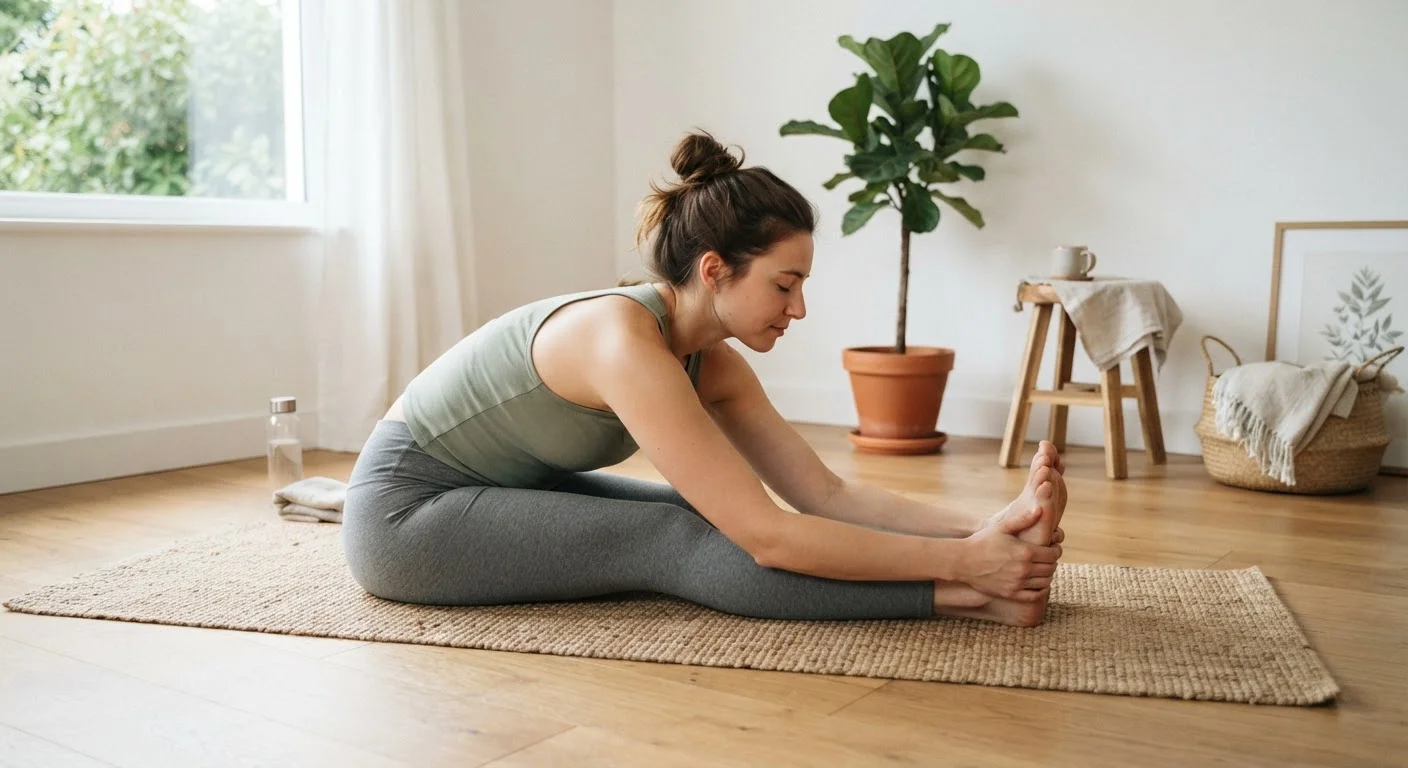
- Static stretching - holding a position for 20 to 60 seconds - is most effective after exercise, when muscles are warm and pliable. This is where gains in flexibility are most reliably made.
- Proprioceptive Neuromuscular Facilitation (PNF) stretching, which involves cycles of contraction and relaxation, can produce greater flexibility gains than static work alone, though it typically requires a partner or trained guidance.
Matching stretch type to timing and goal is one of the most practical ways to make a routine more effective without adding time to it.
Building Habits That Stick
Consistency is the variable that separates people who maintain joint mobility long-term from those who don't. A five-minute daily routine will generally produce better outcomes over months than a 45-minute session done once a week.
The joints most commonly limited by stiffness - hips, thoracic spine, ankles, and shoulders - benefit from regular, low-intensity attention. Building short sessions into existing routines (after morning coffee, before bed, or at a desk break) makes adherence far more realistic than scheduling formal workouts.
Stretching also works best as part of a broader movement strategy. Strength training builds the muscular support that joints depend on, while varied movement patterns prevent the adaptive stiffness that comes from spending long hours in fixed positions. Walking as a daily habit is one low-barrier complement to a stretching routine.
Recognizing the Limits - and Knowing When to Seek Help
Mild tension during a stretch is normal. Sharp, shooting, or persistent pain is not. Stretching into pain can aggravate existing joint issues rather than resolve them, which is why working within a comfortable range and progressing gradually is important.
If joint discomfort follows you beyond workouts or becomes a pattern, that warrants attention beyond self-care. Understanding when joint pain signals something more serious is an important part of any long-term fitness approach.
People managing arthritis, hypermobility, or recent joint injuries should work with a physical therapist or qualified healthcare provider before developing a stretching routine. General guidance does not substitute for assessment of individual circumstances.
This article is for general informational purposes only and does not constitute medical advice. Consult a qualified healthcare professional before beginning any new exercise or stretching program, particularly if you have an existing health condition or joint concerns.
The content on this site is for informational purposes only and is not a substitute for professional advice. Always consult a qualified professional for guidance specific to your situation.