

Why Maintenance Is Different When You're a Landlord
Owning a rental property adds a legal dimension to home maintenance that owner-occupants don't face. In most states, landlords are required by law to maintain what's called the implied warranty of habitability - meaning the home must remain safe, functional, and livable for tenants at all times. Failing to meet that standard can expose you to withheld rent, legal action, or liability if a tenant is harmed.
Beyond legal obligations, well-maintained rentals attract and retain quality tenants, reduce vacancy periods, and preserve the property's long-term value. For a deeper look at what happens when upkeep gets skipped, see our guide to commonly neglected maintenance tasks and the real costs that follow.
The mindset shift for landlords is this: your home is now someone else's living environment, and maintenance is no longer optional or deferrable in the same way it might be for your own residence.
Best Practices for Managing Rental Property Maintenance
The following practices reflect approaches that experienced landlords and property managers use to keep rental homes in good condition while protecting their investment and tenant relationships.
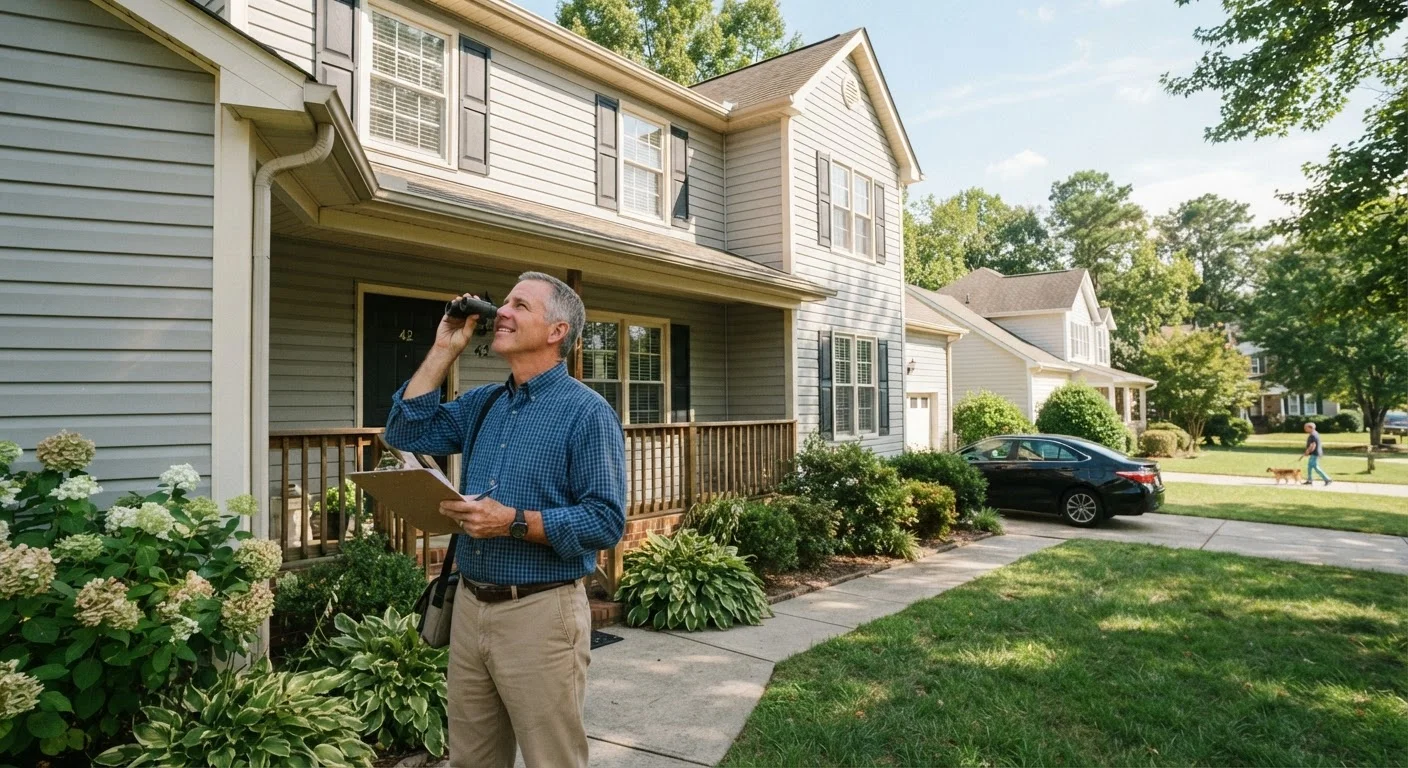
Schedule seasonal inspections at least twice a year
Regular walkthroughs let you identify developing issues - such as slow leaks, worn weatherstripping, or early signs of pest activity - before they become major repairs. They also demonstrate to tenants that you take the property seriously, which tends to encourage tenants to do the same.
Create a written maintenance request process and respond promptly
A documented process ensures nothing gets lost and gives you a timestamped record of when issues were reported and resolved. Prompt responses (within 24-48 hours for non-emergency issues) build trust and reduce the chance that tenants handle problems themselves in ways that cause further damage.
Budget a maintenance reserve rather than funding repairs reactively
Unexpected repair costs are one of the biggest financial stressors for landlords. Setting aside a percentage of monthly rent - many property managers suggest 1-2% of the property's value annually as a rough planning benchmark - smooths out the financial impact of both routine and emergency repairs.
Service HVAC systems annually and replace filters on a schedule
Heating and cooling systems are among the most expensive components in any home to repair or replace. Annual professional servicing extends equipment life and identifies problems early. Dirty filters also reduce efficiency, increasing tenant utility costs and straining the system.
Address exterior maintenance proactively to prevent moisture intrusion
Water is the most damaging force a home faces. Clogged gutters, failed caulking, damaged roofing, and poor grading all allow moisture to enter the structure, leading to mold, rot, and foundation issues that are costly to remediate and may create habitability problems.
Document the property's condition at move-in and move-out
Thorough documentation - ideally photos and a written checklist signed by the tenant - establishes a clear baseline for the property's condition. This record is essential if disputes arise over security deposit deductions at move-out.
Dividing Responsibilities With Your Tenant
One of the most common sources of landlord-tenant disputes is unclear expectations about who handles what. Your lease should spell out maintenance responsibilities in plain language. Typically, landlords handle structural systems, appliances they own, and anything affecting habitability. Tenants are generally responsible for routine cleanliness, minor upkeep like replacing light bulbs, and promptly reporting problems.
Make It Easy for Tenants to Report Problems
The faster a tenant can report an issue, the faster you can address it - and the less damage typically results. Consider including your preferred contact method and expected response time directly in the lease. A tenant who knows you'll respond within 24 hours is far more likely to report a dripping faucet early rather than ignore it for months.
When tenants report issues quickly, you can address them before they escalate - a small roof leak caught early costs a fraction of what water damage remediation will. Make it easy for tenants to report problems by providing a dedicated email address or simple written request process. For context on how tenant-landlord financial responsibilities intersect, our overview of security deposit deductions explains what qualifies as deductible damage versus normal wear and tear.
Building a Maintenance System That Holds Up
Ad hoc repairs create unpredictable costs and stress. A simple maintenance system helps you stay ahead of problems instead of reacting to emergencies.
Keep records of every repair - date, description, contractor used, and cost. This documentation supports insurance claims, informs future budgeting, and provides evidence if a security deposit dispute arises. If you manage multiple units, even a basic spreadsheet can prevent things from slipping through the cracks.
If you're newer to managing a rental and want to compare maintenance routines to what a standard homeowner handles, our home maintenance guide for first-time owners covers the foundational tasks that apply to any residential property. And for the tenant perspective on rights and responsibilities, the Renting Essentials hub offers practical context that can help landlords understand what tenants expect and are entitled to.
The content on this site is for informational purposes only and is not a substitute for professional advice. Always consult a qualified professional for guidance specific to your situation.