

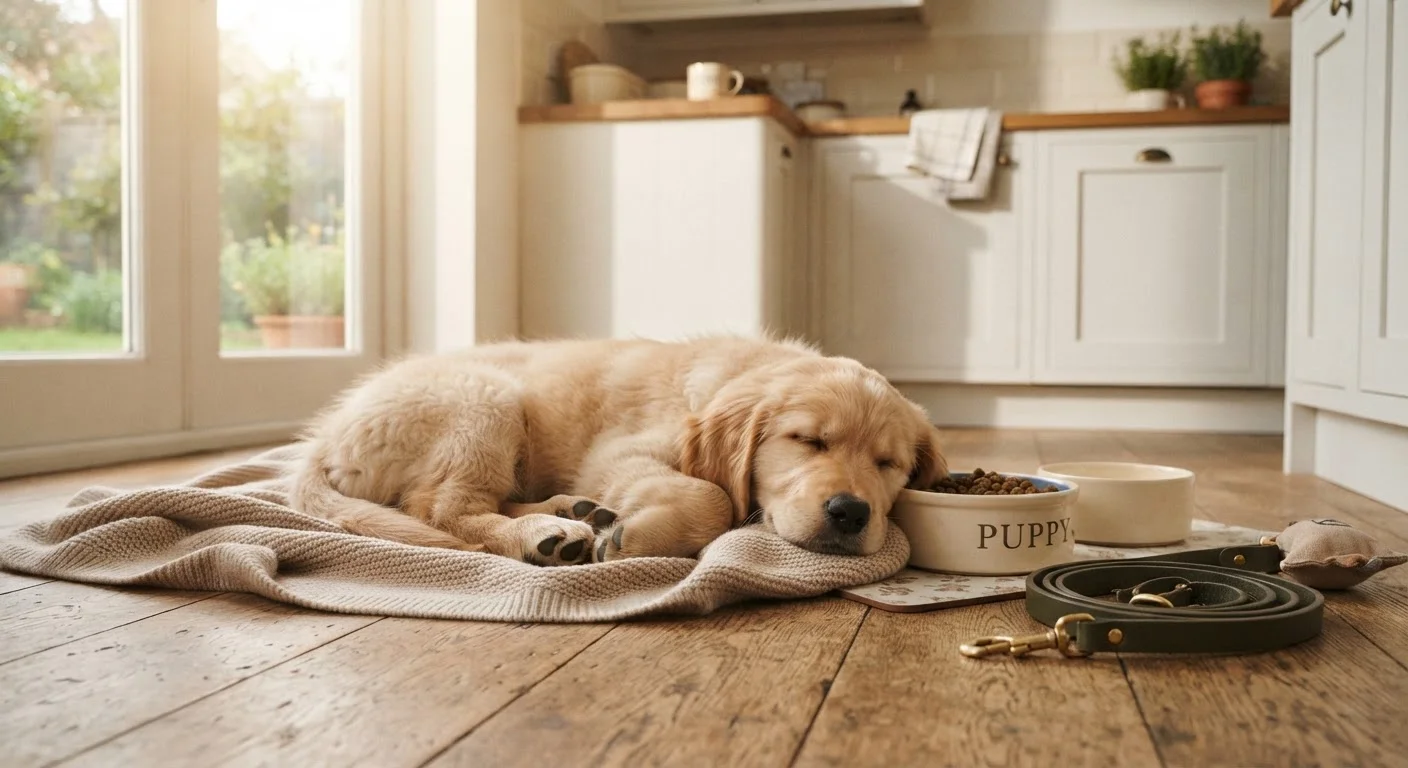
Why a Daily Schedule Matters for Your New Dog
Bringing a new dog home is exciting - and a little chaotic. One of the most effective things you can do in those first days is establish a predictable daily structure. Dogs are creatures of habit, and a reliable schedule does more than keep your household organized. As explored in the science behind why pets thrive on routine, predictable timing for meals, exercise, and sleep helps regulate a dog's stress hormones and builds genuine trust between pet and owner.
Without structure, many dogs develop anxiety-driven behaviors like excessive barking, destructive chewing, or house-training accidents - not because they're "bad," but because uncertainty is genuinely uncomfortable for them. A schedule isn't about rigidity; it's about giving your dog a framework they can count on.
What you will need
How to Build the Schedule Step by Step
The steps below walk you through designing a schedule that fits your dog's age, breed energy level, and your household's realistic daily flow. Keep a simple written version posted somewhere visible so everyone in the home stays consistent.
Map out your own daily anchor points first
Before building around your dog's needs, write down the fixed points of your own day: when you wake up, leave for work, return home, and go to bed. Your dog's schedule will be built around these anchors, so be honest about what you can reliably maintain - not what you aspire to on a perfect day.
Set fixed mealtimes appropriate for your dog's age
Puppies under six months generally need three meals a day; adult dogs typically do well with two. Choose times that are naturally spaced and that you can realistically sustain - morning, midday (for puppies), and early evening work for most households. Consistent mealtimes also make bathroom scheduling more predictable, which is a significant advantage during house-training.
Schedule bathroom breaks around meals and sleep
A simple rule: take your dog outside shortly after every meal, after every nap, and first thing in the morning and last thing at night. For young puppies, add breaks every one to two hours during waking time. As your dog matures and gains bladder control, you can gradually reduce the frequency.
Build in structured exercise and walk times
Determine how much exercise your dog needs based on breed, age, and health - a border collie and a basset hound have very different requirements. Aim for at least one solid walk at a predictable time each day, with a second if your schedule allows. Scheduled activity reduces boredom-driven behavior and gives your dog something to anticipate.
Carve out intentional play and training sessions
Short, focused training sessions - even five to ten minutes - are far more effective than occasional long ones. Weave a brief session into your morning or evening routine. Pair this with interactive play that suits your dog's energy level. If you're working on skills like teaching your dog to stay, short daily repetitions will build reliability far faster than weekend-only practice.
Schedule quiet rest periods throughout the day
Dogs - especially puppies - need significantly more sleep than most owners expect. Puppies can require 16 to 18 hours of sleep per day; adult dogs typically need 12 to 14. Build in designated quiet periods where your dog settles in their bed or crate. If you're introducing a crate, crate training done humanely can make rest periods a positive, stress-free part of the day rather than a punishment.
Write it down and share it with your household
A schedule only works if everyone in the home follows it. Write out the daily plan in simple time blocks and post it somewhere visible. Include who is responsible for each task. Consistency across all caregivers - not just the primary owner - is what allows your dog to feel genuinely secure.
Give Your Dog Two to Three Weeks to Adjust
Even with a solid schedule in place, most dogs need two to three weeks before they truly relax into a new routine. You may see restlessness, house-training slip-ups, or attention-seeking behavior in the early days - this is normal. Stay consistent, respond calmly, and the pattern will click into place.
Adapting the Routine as Your Dog Grows
No schedule stays fixed forever. Puppies need bathroom breaks every one to two hours during waking hours - a frequency that gradually decreases as their bladder control matures, typically by six months of age. Adult dogs generally do well with three to four outdoor trips per day, though individual needs vary by size and health.
If your work hours make midday visits impossible, it's worth reading about the trade-offs of hiring a dog walker versus sticking to a home routine before committing to a long-term arrangement.
Mealtimes are another area that evolves. For a deeper look at how to structure feeding specifically, free-feeding vs. scheduled meals for dogs compares the two main approaches so you can choose what works best for your situation. For a quick daily reference once your routine is established, the daily pet routine checklist for busy households covers all the core care tasks at a glance.
Finally, be prepared: even a well-settled dog can show stress signals when a schedule shifts - travel, a new work schedule, or houseguests can all disrupt their rhythm. Understanding what happens when a pet's routine gets disrupted can help you smooth those transitions before they escalate into bigger behavioral issues.
This article is for general informational purposes only and is not a substitute for guidance from a licensed veterinarian or certified animal behaviorist. If your dog shows signs of significant anxiety, illness, or behavioral challenges, please consult a qualified professional.
The content on this site is for informational purposes only and is not a substitute for professional advice. Always consult a qualified professional for guidance specific to your situation.