

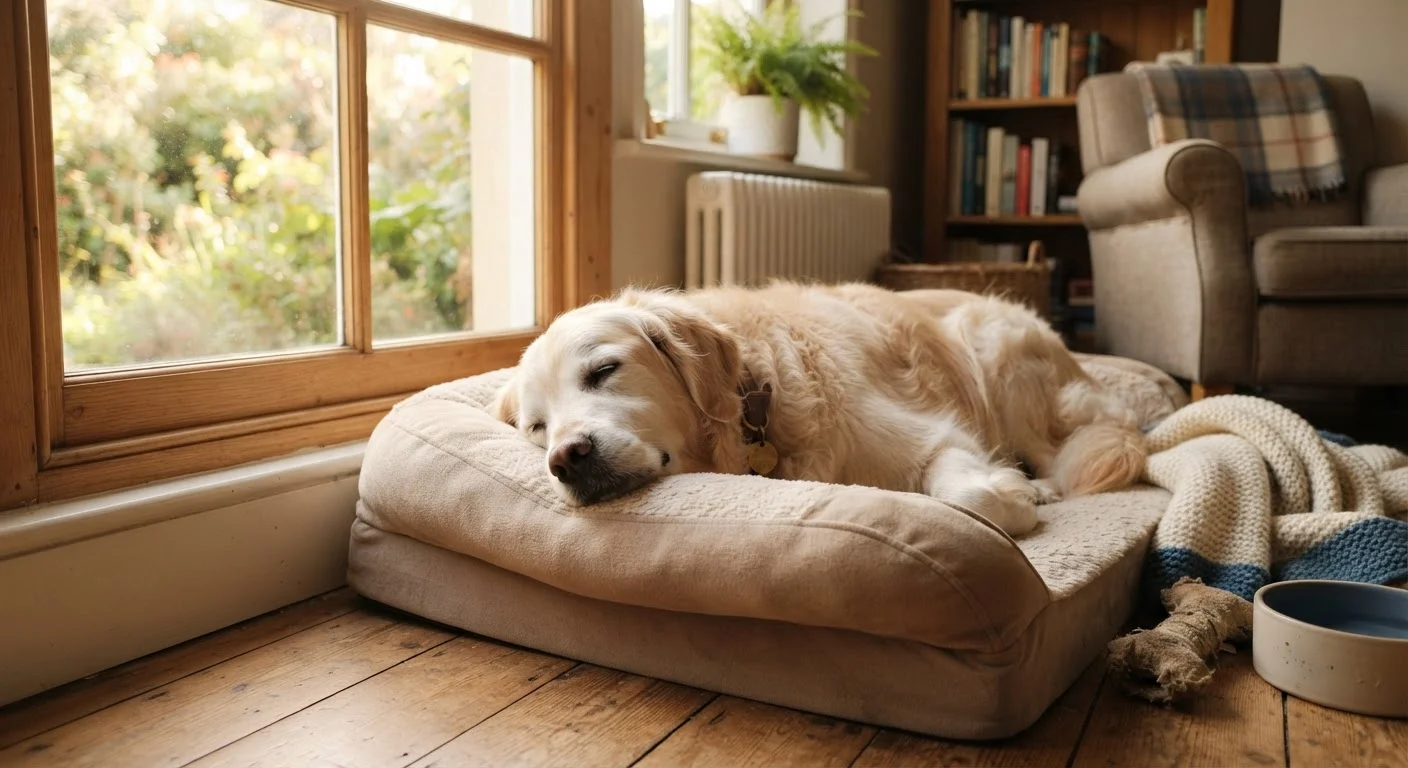
Understanding What 'Senior' Means for Your Pet
The definition of a senior pet isn't one-size-fits-all. Large-breed dogs may reach senior status as early as age five or six, while small-breed dogs often aren't considered senior until age ten or beyond. Cats are generally classified as senior around age eleven, though they can live into their twenties. For smaller animals like rabbits or guinea pigs, the aging curve is compressed even further - see our guide on daily care for small pets for species-specific context.
What this means practically is that you should talk with your veterinarian about when to begin shifting your approach - ideally before noticeable decline sets in. Proactive adjustments during the early senior stage often make a meaningful difference in long-term comfort and health outcomes.
Always Consult Your Veterinarian First
The guidance in this article is general educational information, not veterinary advice. Every aging pet has a unique health profile, and changes to diet, exercise, or medication should always be discussed with a licensed veterinarian. If your pet shows sudden changes in behavior, appetite, or mobility, seek professional care promptly.
Step-by-Step: Adapting Your Pet's Care Routine
Making your aging pet's life more comfortable doesn't require an overhaul overnight. The steps below reflect the key areas where thoughtful adjustments make the biggest difference. Work through them at whatever pace fits your household, keeping your veterinarian involved as a partner throughout.
What you will need
Orthopedic or memory-foam pet bed
Provides joint cushioning and pressure relief for senior pets with arthritis or muscle loss.
Pet ramp or steps
Helps pets with reduced mobility access furniture or vehicles without straining joints.
Non-slip floor mats or rugs
Prevents slipping on hard floors, which can cause falls and injury in older pets.
Elevated food and water bowls
Reduces neck and spine strain during feeding, especially for dogs with arthritis.
Gentle grooming brush
Senior pets often have sensitive skin or reduced flexibility; a soft brush keeps coats clean without discomfort.
Pet health journal or log
Tracking daily behavior, appetite, and mobility helps you notice gradual changes and share accurate observations with your vet.
Schedule more frequent veterinary visits
Most veterinary organizations recommend that pets considered senior - generally dogs and cats over age seven, though this varies by species and breed - visit the vet at least twice a year rather than annually. More frequent checkups allow for earlier detection of conditions like kidney disease, dental disease, diabetes, and arthritis, all of which are more common in older animals.
At these visits, ask your vet about routine bloodwork and urinalysis. Baseline lab values give your veterinarian something to compare against as your pet continues to age.
Reassess your pet's nutrition
Aging pets typically need fewer calories due to a slower metabolism, but their protein and micronutrient needs can actually increase. Many senior-formulated pet foods are designed with this balance in mind. Your veterinarian can help you evaluate whether your pet's current food still suits their life stage and health status.
Watch for unintended weight gain or loss - both are meaningful signals in senior animals. Obesity accelerates joint wear, while muscle wasting may point to underlying illness.
Adapt your home environment for mobility
Physical adjustments to your living space can dramatically improve a senior pet's comfort and safety. Add non-slip mats on hardwood or tile floors, place ramps or pet stairs near furniture your pet uses, and ensure their sleeping area is warm, easily accessible, and free from drafts.
An orthopedic bed with memory foam or firm support can ease pressure on aging joints. Position it away from high-traffic areas so your pet can rest without being startled.
Adjust exercise to match current ability
Senior pets still benefit from regular movement, but intensity and duration should be scaled to what their body can comfortably handle. Shorter, more frequent walks often work better for older dogs than one long outing. Low-impact activity like gentle swimming can be beneficial for pets with joint conditions, but consult your vet before introducing new exercise types.
Watch for signs that exercise is too strenuous: excessive panting, stiffness afterward, reluctance to continue, or limping. These are cues to slow down and revisit the activity with your vet.
Monitor for cognitive and behavioral changes
Cognitive Dysfunction Syndrome (CDS) is a recognized condition in aging dogs and cats that resembles dementia in humans. Signs include disorientation, changes in sleep patterns, reduced interaction, house soiling in a previously trained pet, and increased vocalization at night. If you notice these patterns, document them and share your observations with your veterinarian.
While there is no cure, some management options - environmental enrichment, dietary support, and in some cases medication - may help slow progression or improve quality of life. Your vet is your best resource for an individualized plan.
Keep up with dental and grooming care
Dental disease is extremely common in senior pets and can contribute to pain, difficulty eating, and even systemic health issues if bacteria enter the bloodstream. Regular dental checkups and professional cleanings (performed by your vet under anesthesia) are important at this life stage.
Senior pets may also need more frequent grooming help - reduced flexibility can make self-grooming harder for cats, while dogs with arthritis may resist brushing if touch is painful. Use gentle tools and keep sessions short and positive.
Don't Assume Slowness Is Just 'Old Age'
Reduced activity, limping, or reluctance to climb stairs can signal treatable conditions like arthritis or pain - not simply aging. Many owners delay care because symptoms seem gradual. Early intervention often leads to better outcomes, so flag any new physical changes with your vet sooner rather than later.
Building a Sustainable Daily Routine for an Older Pet
Older animals are often more sensitive to changes in schedule and environment than younger ones. Disruptions to feeding times, sleep spaces, or social interaction can trigger stress responses that may worsen health conditions. If you're managing a busy household, a structured daily approach matters more than ever - our daily pet routine checklist can help you stay consistent even when life gets hectic.
Understanding how your pet responds to routine changes is also useful. Behavioral and health signals when routines shift can help you recognize early signs of stress and address them before they compound. Senior pets deserve patience, predictability, and an attentive owner - and you're already doing the most important thing by seeking out reliable information.
Build Routine Into Every Day
Senior pets rely on predictability even more than younger animals. Consistent feeding times, gentle daily interaction, and a stable sleep environment can reduce anxiety and support overall health. See our daily pet routine checklist for a practical framework you can adapt for an older animal.
This article is for general informational and educational purposes only and does not constitute veterinary advice. Always consult a licensed veterinarian for guidance specific to your pet's health, age, and condition.
The content on this site is for informational purposes only and is not a substitute for professional advice. Always consult a qualified professional for guidance specific to your situation.