

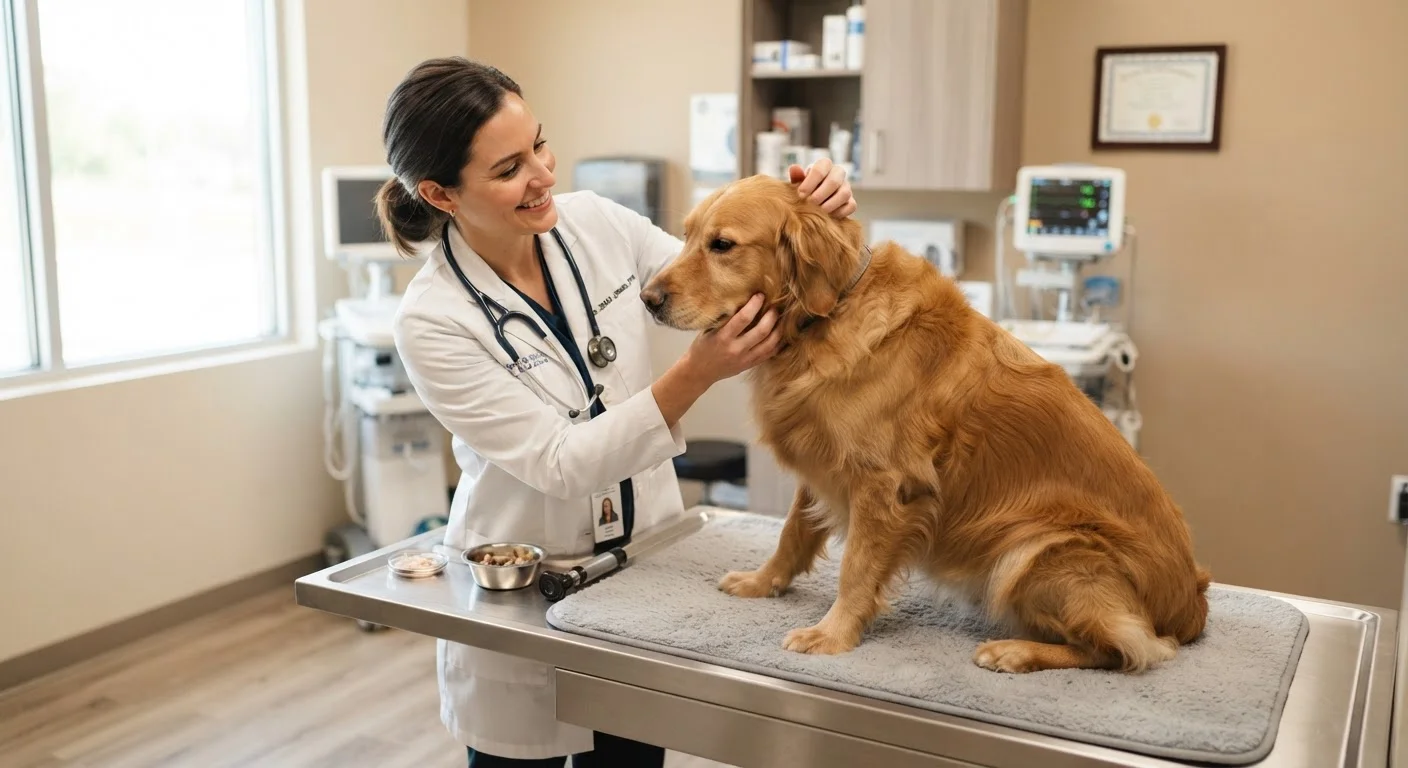
What Actually Happens During a Wellness Visit
Many pet owners arrive at the clinic expecting a quick vaccine update and a pat on the head for their dog or cat. In reality, a thorough wellness exam is a structured, methodical process that takes a trained eye from nose to tail.
Your vet will typically assess:
- Heart and lungs - listening for murmurs, arrhythmias, or abnormal lung sounds that can signal early cardiovascular or respiratory disease
- Abdomen - gently palpating to detect organ enlargement, masses, or fluid accumulation
- Eyes, ears, and skin - checking for infections, parasites, inflammation, or growths
- Teeth and gums - oral disease is one of the most common conditions in pets, yet one of the most overlooked by owners (see our guide on dental health in dogs and cats)
- Weight and body condition - assessing whether your pet is at a healthy weight for their breed and age
- Lymph nodes and musculoskeletal system - detecting swelling, pain, or mobility changes
Depending on your pet's age and history, the vet may also recommend bloodwork, a urinalysis, or fecal testing to evaluate internal organ function and screen for parasites invisible to the naked eye.
Bring a List of Observations to Every Visit
Before your appointment, jot down any changes you've noticed - shifts in appetite, water intake, sleep patterns, energy levels, or coat condition. Even small observations you're unsure about are worth sharing. Vets piece together a fuller picture when owners communicate freely, and seemingly minor details can be clinically significant.
The Real Value: Building a Health Baseline
One of the most underappreciated benefits of consistent annual exams is the cumulative picture they create. When your vet sees your pet every year, they can track changes over time - shifts in weight, subtle heart murmur progression, or gradual kidney value changes in bloodwork - that would be impossible to identify from a single visit.
This baseline is especially powerful for senior pets. A kidney value that sits at the high end of normal in a seven-year-old cat may look unremarkable in isolation, but if it's climbed steadily over three annual panels, that trend tells your vet something important - often before your cat shows any signs of illness.
85%
Pets showing dental disease by age three
According to the American Veterinary Medical Association, the majority of dogs and cats show signs of periodontal disease by age three - a condition routinely caught during wellness exams.
2x
Frequency of senior pet recommended checkups
Veterinary guidelines generally recommend that pets over seven years of age be examined every six months rather than annually, reflecting how quickly health can change in older animals.
Behavioral shifts are another key data point. If you've noticed your dog is less eager to jump, or your cat has become quieter than usual, your vet wants to know. These observations, paired with a physical exam, can reveal arthritis, pain, thyroid dysfunction, or other treatable conditions. For more on recognizing when behavior signals a health concern, see signs your pet's behavior change may warrant a vet visit.
Beyond Vaccines: Preventive Care in Practice
Vaccines are a vital component of your pet's wellness plan - and our guide to vaccination schedules breaks down exactly what core and non-core vaccines typically entail. But they represent just one piece of the preventive care puzzle.
A comprehensive wellness visit also typically covers:
- Parasite prevention counseling - heartworm, fleas, ticks, and intestinal parasites vary by region and season; your vet can recommend appropriate prevention strategies
- Nutritional assessment - diet needs shift as pets age or if health conditions develop
- Dental screening - many pets need professional cleaning under anesthesia, and a wellness exam is often when that recommendation is first made
- Lifestyle and enrichment discussion - vets frequently ask about exercise, environment, and routine, because predictable daily routines support better overall health in pets
A six-year-old Labrador's routine bloodwork reveals mildly elevated liver enzymes during an annual exam. The dog shows no symptoms - eating, playing, and behaving normally.
During a wellness visit for an eight-year-old indoor cat, the vet detects a small thyroid nodule during neck palpation. The owner had noticed the cat eating more but assumed it was just a phase.
A pet owner brings in their three-year-old mixed-breed dog for an annual exam. The vet notes significant tartar buildup and early gum inflammation.
Early detection doesn't just benefit your pet's health - it often means less intensive treatment before a condition progresses. Routine care is one of the most meaningful investments you can make in your animal companion's quality of life.
This article is for general informational purposes only and is not a substitute for professional veterinary advice. Always consult a licensed veterinarian for guidance specific to your pet's health needs.
Frequently Asked Questions
Vets perform a systematic physical evaluation that includes listening to the heart and lungs, palpating lymph nodes and the abdomen, inspecting eyes, ears, skin, and coat, checking teeth and gums, and assessing body weight and condition score. Blood and urine panels are often recommended to screen internal organ function, especially in older pets.
Most adult dogs and cats benefit from one exam per year. Puppies and kittens typically need visits every three to four weeks until about four months of age. Senior pets - generally those over seven years old - often benefit from exams every six months because health can change more rapidly with age.
Yes. Bloodwork can reveal early kidney or liver changes before a pet acts sick. A vet may feel an enlarged lymph node or unusual lump during palpation long before it causes visible discomfort. Early detection is one of the most well-established benefits of routine preventive care.
Absolutely. Pets instinctively mask pain and discomfort - a survival instinct inherited from their wild ancestors. What looks like a healthy, happy animal can harbor developing conditions that only a trained exam or lab work reveals.
A wellness visit is proactive and scheduled - it aims to evaluate overall health and prevent disease. A sick visit is reactive, focused on diagnosing and treating a specific problem. Both serve important but distinct roles in your pet's care.
Yes. Indoor cats are still susceptible to dental disease, obesity, kidney disease, hyperthyroidism, and other conditions unrelated to outdoor exposure. Regular exams help catch these issues early regardless of lifestyle.
The content on this site is for informational purposes only and is not a substitute for professional advice. Always consult a qualified professional for guidance specific to your situation.