

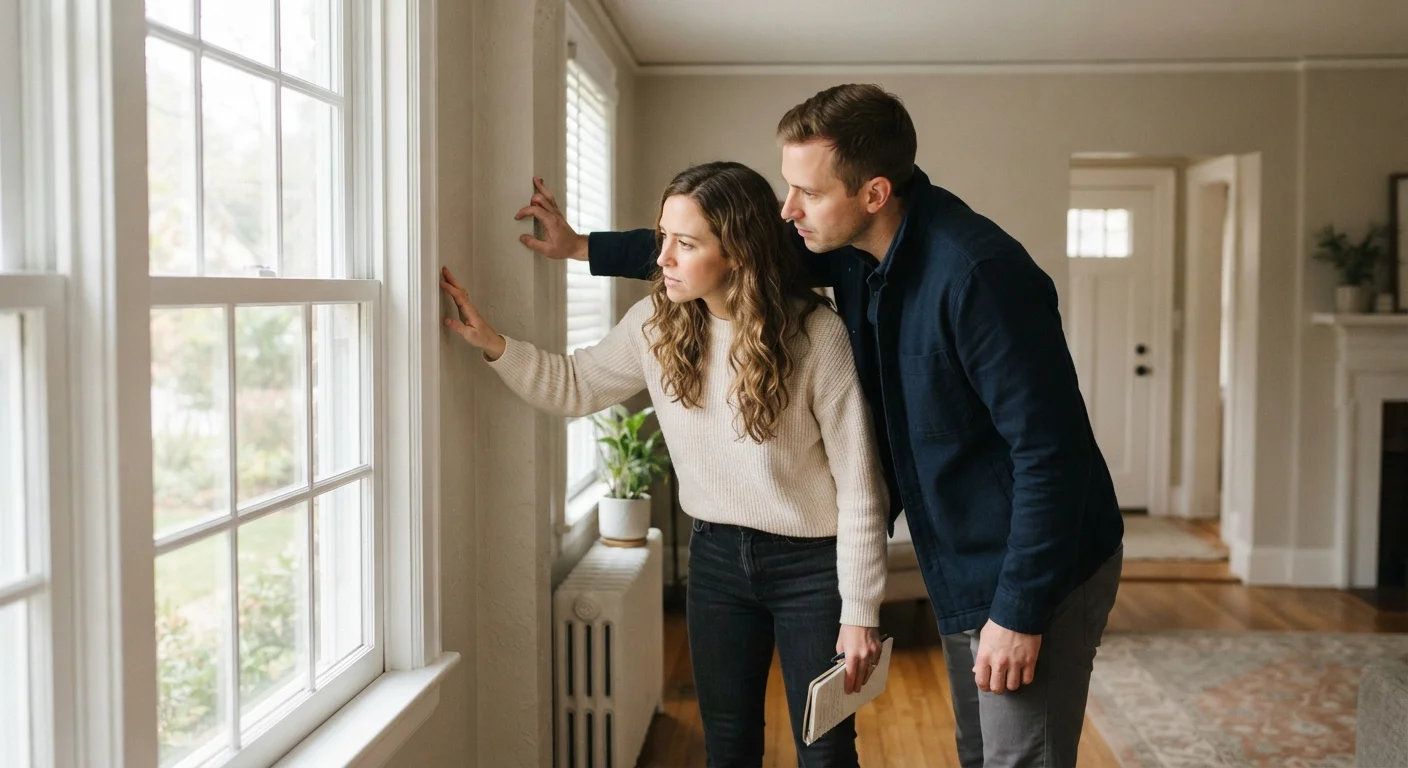
Why Showings Fool Even Experienced Buyers
A showing is designed to sell a home, not reveal its condition. Sellers and their agents present properties in the most favorable light possible - and that's not deceptive, it's standard practice. The challenge for buyers is that the same features meant to impress can also distract from what actually matters: the structure, systems, and site conditions that determine long-term value and livability.
First-time buyers aren't the only ones who get tripped up. Even repeat buyers can fall back on emotional cues - a great kitchen, abundant natural light, or a well-staged living room - and miss warning signs hiding in plain sight. Understanding what to look for before you walk through the door is the single most effective way to tour a home with clarity rather than excitement alone.
If you're unfamiliar with terms like seller's disclosure, easement, or mechanicals, our homebuying vocabulary guide can help you build the foundational language you'll need throughout this process.
A Showing Is Not a Home Inspection
Touring a home and having it professionally inspected are two different things. A showing gives you a first impression; an inspection gives you documented findings from a licensed professional. Never waive a home inspection based on how a home looks during a tour - cosmetic appeal rarely reflects underlying condition. See our article on reading a home inspection report to understand what those findings actually mean.
The Mistakes Buyers Make Most Often
The following are the most common oversights buyers make during property tours - and, more importantly, what to do instead. Each one reflects a pattern we see repeatedly in the homebuying process, from first showings to offers made in haste.
Focusing only on finishes and décor instead of structure and systems.
Why it happens: Renovated kitchens and new flooring are visually compelling - they trigger emotional responses that make buyers feel at home. The excitement of envisioning life in a space can crowd out analytical thinking.
Ignoring signs of water intrusion in basements, ceilings, and around windows.
Why it happens: Water damage isn't always obvious, especially when sellers have repainted or used dehumidifiers to temporarily eliminate musty odors before showings.
Not testing outlets, switches, and fixtures during the tour.
Why it happens: It feels awkward to flip every switch in someone else's home. Buyers often assume everything works because the listing looks polished.
Skipping the exterior and only evaluating the interior.
Why it happens: Tours often begin inside and buyers get absorbed in room-to-room flow, running short on time before checking the outside thoroughly.
Failing to assess the neighborhood at different times of day.
Why it happens: Most showings happen during daytime on weekdays when traffic is lighter, schools are in session, and commercial activity is reduced - conditions that may not reflect everyday reality.
Not asking about the age and service history of major systems.
Why it happens: Buyers assume this information will come up in the inspection or that the seller's disclosure covers everything. Disclosures vary by state and may not require detailed system histories.
Fresh Paint and Staging Can Mask Problems
Sellers often make cosmetic improvements before listing. A freshly painted basement wall or ceiling, for example, can conceal water stains or mold. Staging furniture placed against walls may be hiding damage. Don't let a polished presentation substitute for a careful, systematic look at the property's bones.
What to Do After the Tour
Once you've walked through a property, resist the urge to make an immediate decision based on how you felt in the moment. Instead, review your notes against your checklist before discussing next steps with your agent. If the home passes your initial review, a professional home inspection is the essential next step - not optional, and not something to waive in a competitive market without fully understanding the risks.
Your buyer's agent plays an important role here. They can request seller disclosures, pull permit history, and help you evaluate whether observed issues are deal-breakers or negotiating points. Informed buyers ask better questions - and better questions lead to better outcomes.
~86%
Buyers who used an agent during their purchase
According to the National Association of Realtors' annual Profile of Home Buyers and Sellers, the vast majority of buyers work with a real estate agent - underscoring how rarely buyers navigate showings alone.
1 in 3
Homes with at least one major defect found at inspection
Industry estimates consistently suggest a significant share of homes reveal material issues during a professional inspection that were not apparent during the showing.
This article is for general informational purposes only and does not constitute financial, legal, or real estate advice. Readers should consult licensed real estate professionals for guidance specific to their situation and local market.
The content on this site is for informational purposes only and is not a substitute for professional advice. Always consult a qualified professional for guidance specific to your situation.