

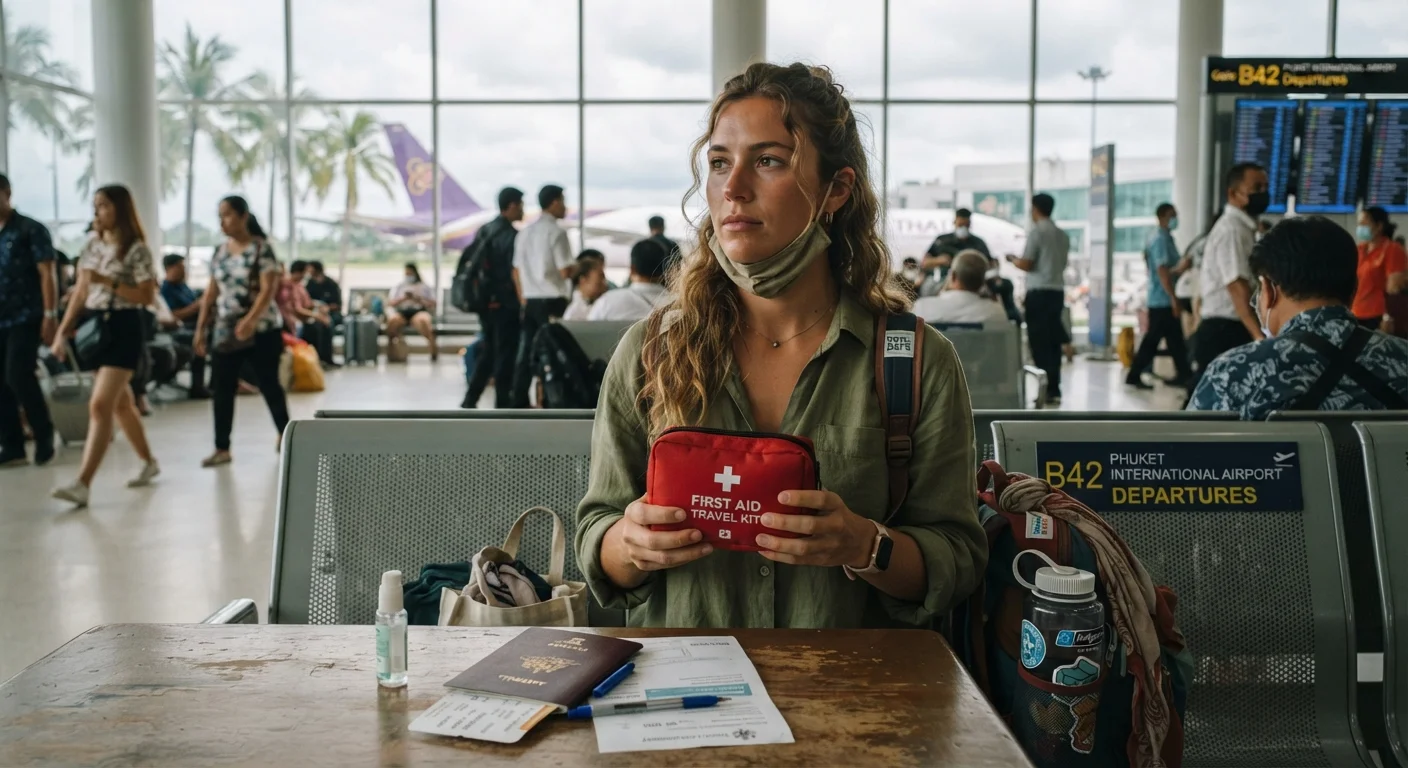
Why Travel Health Myths Persist
Most travelers do at least some research before an international trip. The problem is that a lot of what circulates online - on forums, social media, and even well-meaning travel blogs - is partially wrong or dangerously oversimplified. Travel health myths tend to survive because they contain a grain of truth, sound reassuring, or come from someone who got lucky once.
The consequences of acting on bad health information abroad can range from uncomfortable to serious. Medical care quality varies enormously by destination, language barriers complicate treatment, and emergency evacuation is expensive. Understanding what's actually true about travel health - before you board - is one of the most practical things you can do as a traveler. For broader safety planning, see our guide on staying safe abroad without living in fear.
Myth
Bottled water is always safe to drink abroad, so I don't need to take any other precautions.
Fact
Bottled water is not universally safe. In some regions, counterfeit bottles - filled with tap water and resealed - are sold widely. Even legitimate bottles may be stored improperly.
The bottled water assumption gives many travelers false confidence. In destinations with known water quality issues, it's worth verifying that seals are intact, purchasing from established retailers, and considering water purification tablets or a travel-grade filter as a backup. For a deeper look at hydration facts, our article on common myths about drinking water and hydration addresses several related misconceptions.
Myth
I'm young and healthy, so I don't need travel vaccinations for most destinations.
Fact
Vaccine-preventable diseases do not distinguish by age or fitness level. Some, such as typhoid and hepatitis A, are transmitted through contaminated food or water regardless of how healthy you are.
Routine health and fitness reduce some risks, but they provide no protection against diseases for which vaccines exist. Vaccination requirements and recommendations vary by destination and your personal health history. The CDC's traveler health portal lists destination-specific recommendations, and a travel medicine clinic can help you determine what's appropriate for your itinerary and immunization history. Allow several weeks before departure - some vaccines require multiple doses or time to become effective.
Myth
Traveler's diarrhea is just an inconvenience - it always resolves on its own within a day or two.
Fact
While many cases of traveler's diarrhea are mild and self-limiting, some are caused by bacteria or parasites that require specific treatment. Severe or prolonged cases can lead to dehydration serious enough to need medical care.
Symptoms lasting more than 48-72 hours, accompanied by fever, blood in stool, or severe abdominal pain, warrant prompt medical evaluation. Self-treating with the wrong antibiotic - or taking antibiotics unnecessarily - can make some infections worse or contribute to antibiotic resistance. A healthcare provider can advise on whether and how to carry a standby prescription for high-risk destinations, based on your individual circumstances.
Myth
Altitude sickness only happens to out-of-shape or older travelers - athletic people are immune.
Fact
Altitude sickness (acute mountain sickness) can affect anyone, regardless of age, fitness, or prior high-altitude experience. Physical conditioning does not protect against it.
Acute mountain sickness occurs when the body doesn't acclimatize quickly enough to reduced oxygen at elevation - typically above 8,000 feet. Symptoms include headache, nausea, dizziness, and fatigue. In serious cases it can progress to life-threatening conditions affecting the lungs or brain. The primary prevention strategy is gradual ascent. Travelers planning high-altitude destinations - such as parts of Peru, Nepal, or the American Rockies - should discuss options with a healthcare provider, including whether medication to aid acclimatization is appropriate for their situation.
Myth
Sunscreen and insect repellent don't need to be applied in cloudy or cool weather.
Fact
UV radiation penetrates cloud cover, and mosquitoes and other disease-carrying insects are active year-round in many climates, regardless of temperature.
Diseases like dengue fever, malaria, and Zika virus are transmitted by mosquitoes that are not deterred by mild or overcast conditions. Similarly, UV exposure on cloudy days can still cause sunburn and cumulative skin damage. Travelers to tropical or subtropical destinations should apply EPA-registered insect repellent consistently throughout the day, and use broad-spectrum sun protection regardless of weather conditions at their destination.
Protecting Yourself With Accurate Information
The most reliable source for travel health guidance is a qualified healthcare provider - ideally one with experience in travel medicine - consulted several weeks before departure. The U.S. Centers for Disease Control and Prevention (CDC) and the World Health Organization (WHO) publish destination-specific health advisories that are regularly updated and freely available.
Verify Health Advisories Before Every Trip
Health conditions at destinations can change faster than travel articles are updated. Disease outbreaks, water contamination events, and vaccination entry requirements can shift with little notice. Always check the CDC's destination-specific traveler health notices and your destination country's official entry requirements within a few weeks of departure - not just when you first book. Official government sources are the only reliable reference for this information.
It's also worth revisiting your travel insurance policy with health coverage in mind. Many travelers assume their coverage is comprehensive, but exclusions for undisclosed conditions or adventure activities are common. Our article on travel insurance coverage and what it actually means walks through what to verify before you go.
Good travel health habits aren't about fear - they're about making informed choices so that a preventable illness doesn't derail a trip you've invested time and money into planning. Staying current on facts, rather than relying on traveler folklore, is the most reliable form of preparation.
~43%
Travelers who experience health problems abroad
Research published in travel medicine literature estimates that roughly 43% of travelers to developing countries experience some form of illness during or after their trip.
20-50%
Travelers to high-risk areas who get traveler's diarrhea
The CDC estimates that 20-50% of international travelers - roughly 10 million people annually - develop traveler's diarrhea, making it one of the most common travel-related illnesses.
This article is for general informational purposes only and does not constitute medical advice. Consult a qualified healthcare professional or travel medicine specialist before traveling, especially regarding vaccinations, medications, or personal health conditions.
The content on this site is for informational purposes only and is not a substitute for professional advice. Always consult a qualified professional for guidance specific to your situation.