

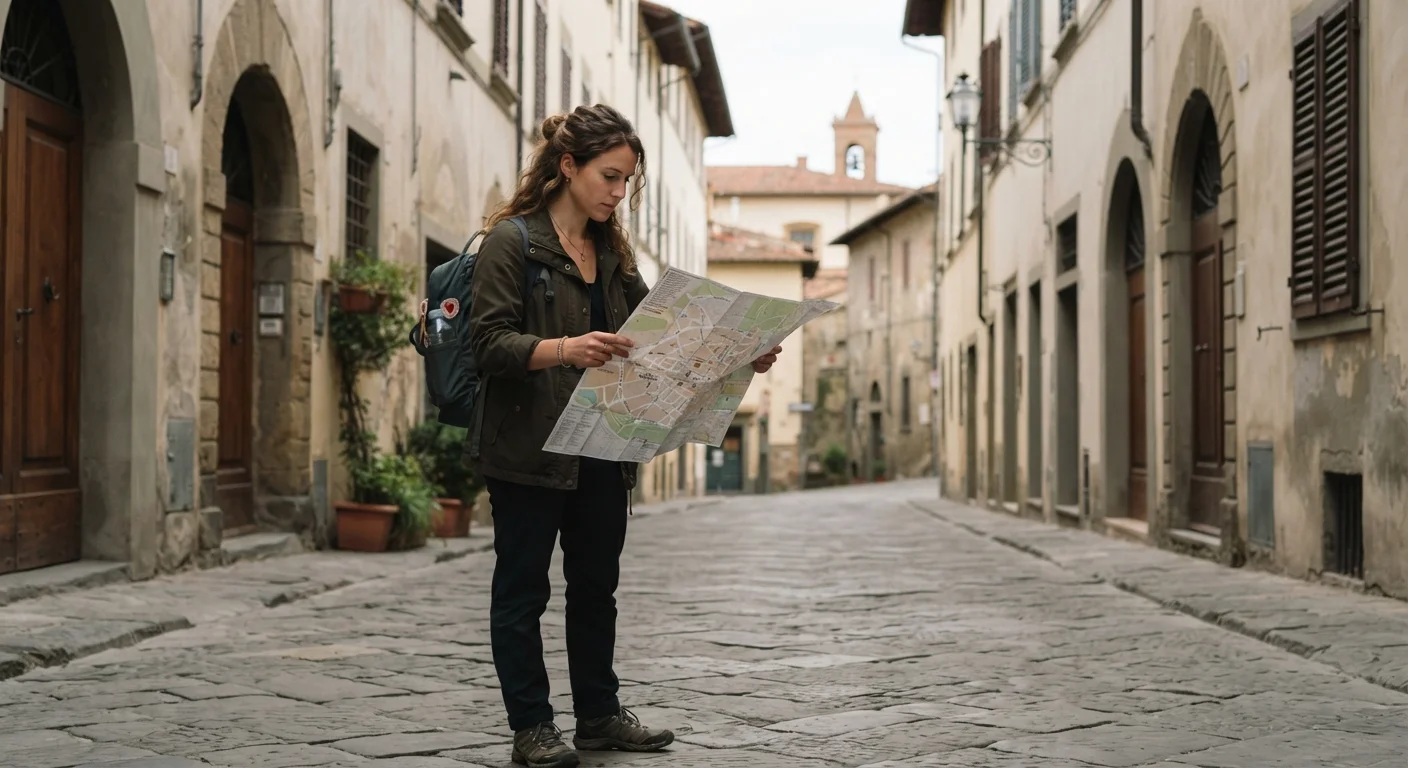
Safety Starts With the Right Mindset
Most travelers who run into trouble abroad aren't reckless - they're simply unprepared. The goal of traveling safely isn't to avoid every risk; it's to reduce unnecessary ones through habit, preparation, and awareness.
Anxiety about safety can actually backfire, making you appear distracted or uncertain - qualities that opportunistic criminals notice. Calm, deliberate movement projects confidence. Before any international trip, review current travel advisories from official government sources such as the U.S. Department of State's travel.state.gov. These advisories are updated regularly and give a grounded, tiered picture of conditions in a given country or region. For a full departure checklist that covers documents, health prep, and more, see our pre-trip checklist.
Advisory Levels Aren't Binary
Government travel advisories use tiered levels - from routine caution to 'do not travel' - rather than a simple safe/unsafe judgment. A country rated Level 2 (exercise increased caution) may still have many regions that are entirely routine for travelers. Read the full advisory, not just the headline level, and look for region-specific notes within a country's entry.
Situational Awareness in Practice
Situational awareness simply means knowing what's around you without becoming hypervigilant. A few habits make a real difference:
Arrive at new destinations during daylight hours whenever possible.
Navigating an unfamiliar city at night - especially straight off a long flight - reduces your ability to orient yourself and increases the chance of making costly navigation errors. Daylight arrivals give you time to identify your surroundings and reach your accommodation calmly.
Research your neighborhood before arriving, not after.
Knowing which streets or areas to avoid, where transit stops are located, and what local scams are common significantly reduces your exposure to risk. This research takes 20 minutes and is far more useful than any generic safety tip.
Keep your phone and wallet out of back pockets in crowded areas.
Crowded tourist sites, markets, and transit hubs are the most common environments for pickpocketing. Front pockets or a compact crossbody bag worn across the chest reduce access significantly.
Avoid broadcasting your itinerary or accommodation publicly in real time.
Sharing your location or hotel name on social media while traveling can inadvertently signal that you're away from home to the wrong audience, and can reveal predictable movements to those nearby.
If you're visiting a destination that often carries an outsized reputation - like a major Latin American city - grounded, neighborhood-level context matters more than general headlines. Our guide on traveling to Mexico City for the first time illustrates how local context shapes a realistic safety picture.
Handling Money Safely on the Road
Cash and card management is one of the most practical safety skills a traveler can develop. The core principle: never keep everything in one place.
For a deeper breakdown of how to manage currency, fees, and when cash matters most, see our guide on managing money across borders.
~80%
Of travel theft is opportunistic, not targeted
Security researchers and travel safety educators consistently note that the large majority of theft targeting tourists is opportunistic, making simple deterrence habits highly effective.
1 in 6
U.S. travelers report losing money to fraud or theft abroad
Survey data from travel insurance providers has found that a significant portion of international travelers experience some form of financial loss during trips, underscoring the value of preparation.
Emergency Prep Before You Leave Home
The steps that matter most in an emergency are the ones you take before you ever board a plane. Store key information offline - hotel addresses, embassy contacts, local emergency numbers, and your travel insurance policy number - in a notes app that works without a cell signal, or on a printed card kept separate from your phone.
Register your trip with your country's official embassy enrollment program (U.S. travelers can use the State Department's Smart Traveler Enrollment Program, or STEP) so authorities can reach you in a regional crisis. Keep a photo of your passport's data page saved in cloud storage and emailed to yourself. For guidance on protecting your devices and accounts while traveling, see our article on keeping your devices and data safe.
This article provides general travel safety information for educational purposes. Always verify entry requirements, health recommendations, and travel advisories with official government and provider sources before traveling, as conditions can change.
The content on this site is for informational purposes only and is not a substitute for professional advice. Always consult a qualified professional for guidance specific to your situation.