

Our Verdict
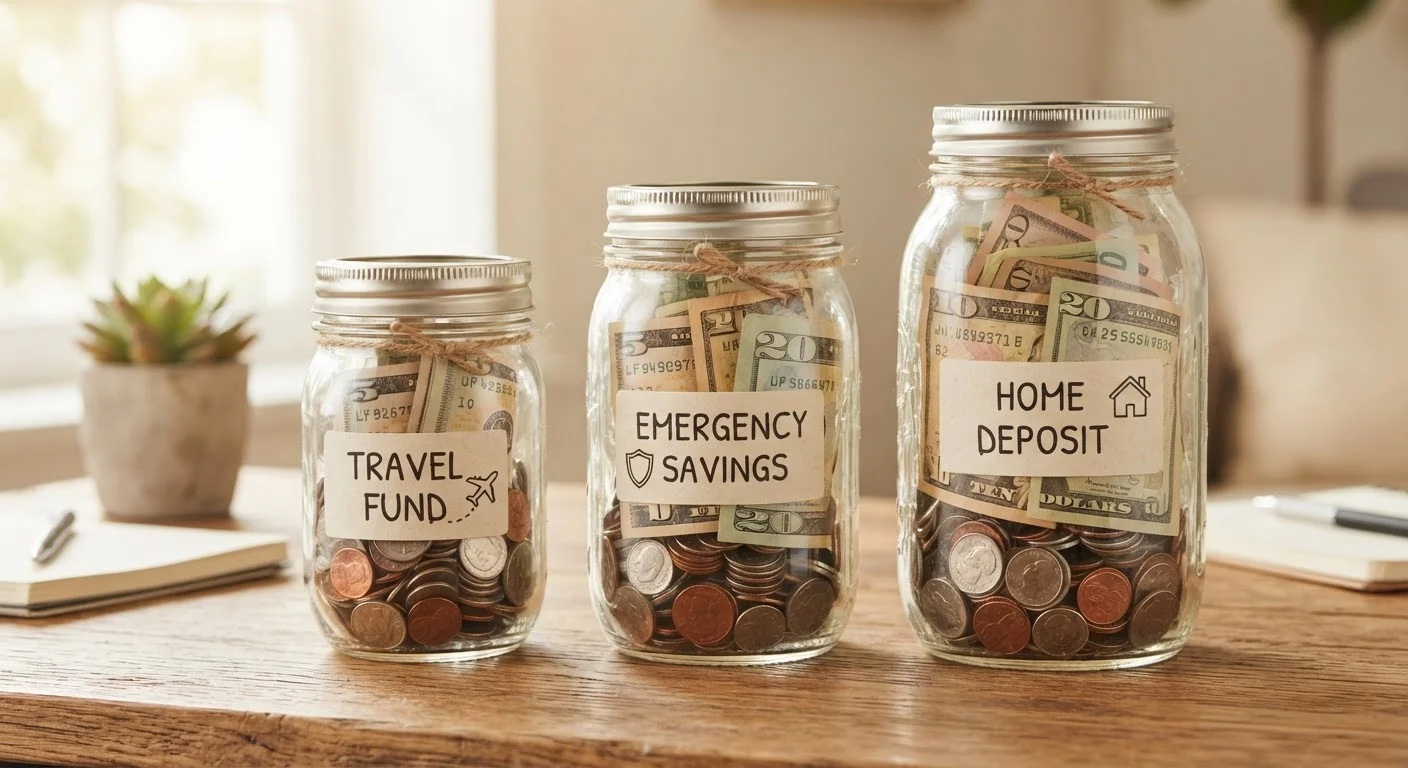
These three savings vehicles are not interchangeable - each plays a distinct role in a well-structured budget. A sinking fund handles the predictable; a rainy day fund handles the minor unexpected; an emergency fund handles the serious and unplanned. Understanding these boundaries helps prevent financial setbacks from cascading into crises.
| Best for | Recommended |
|---|---|
| Those saving toward a known future cost | Sinking Fund |
| Those managing small, irregular surprises | Rainy Day Fund |
| Those protecting against major life disruptions | Emergency Fund |
| Those building a comprehensive financial safety net | All Three, Used Together |
Why the Terminology Gets Confusing
The terms "sinking fund," "rainy day fund," and "emergency fund" are often used as if they mean the same thing. Personal finance articles swap them freely, and even well-intentioned budgeting advice blurs the lines. But treating these three tools as identical can lead to real problems - like draining your emergency fund for a car registration fee, then having nothing left when a medical bill arrives.
Each fund answers a different question: Do I know this expense is coming? How large is it likely to be? How unpredictable is the timing? Getting clear on those distinctions is foundational to a budget that actually holds together. For a practical look at how to build consistent savings habits alongside these goals, see our guide to saving when your budget feels tight.
Sinking Funds: Saving for What You Already Know Is Coming
A sinking fund is a targeted savings pool for a specific, anticipated expense. The key characteristic is predictability - you know the cost is coming, even if it's months or years away. Common examples include annual car registration, holiday gifts, a planned vacation, or home appliance replacement.
The mechanics are straightforward: estimate the total cost, divide it by the number of months until you need the money, and set aside that fixed amount each month. Because the expense is predictable, there's no financial shock when it arrives.
Label Your Accounts to Avoid Confusion
One practical way to keep these funds separate is to open distinct savings accounts and name each one clearly - for example, 'Holiday Fund,' 'Rainy Day,' and 'Emergency Reserve.' Many online banks allow multiple savings buckets at no additional cost. Clear labeling reduces the temptation to pull from the wrong pool when an expense arises.
Sinking funds are especially useful for irregular but non-negotiable costs that don't appear in a monthly budget - things like property taxes paid semi-annually or back-to-school expenses. Our article on how sinking funds make big expenses feel small walks through the setup process in detail.
Rainy Day Funds: A Buffer for Life's Minor Surprises
A rainy day fund occupies the middle ground - it's for small, unplanned expenses that aren't catastrophic but can still throw off a monthly budget. Think: a minor car repair, a co-pay for an unexpected doctor's visit, or a broken household appliance that needs replacing.
The key distinction from an emergency fund is scale and severity. Rainy day expenses are inconvenient, not destabilizing. A reasonable target for a rainy day fund is often cited as $500 to $1,500, depending on a household's typical exposure to small irregular costs - though the right amount varies by individual circumstances.
| Sinking Fund | Rainy Day Fund | Emergency Fund | |
|---|---|---|---|
| Purpose | Planned future expenses | Minor unplanned surprises | Major financial disruptions |
| Predictability of expense | High - known in advance | Low - unexpected timing | Very low - major unknowns |
| Typical size | Varies by goal | $500-$1,500 | 3-6 months of expenses |
| How often accessed | Regularly, as planned | Occasionally | Rarely - only in crisis |
| Examples | Vacation, car registration | Minor repair, co-pay | Job loss, major illness |
| Ideal account type | Separate savings account | Liquid checking or savings | High-yield savings account |
Because rainy day funds are tapped more frequently, they're best kept in a highly liquid account, such as a regular savings or checking account, rather than a higher-yield account that might have withdrawal friction.
Emergency Funds: Protection Against Major Financial Disruptions
An emergency fund is reserved for genuine financial crises - job loss, a serious medical event, a major structural repair to a home, or any income disruption that threatens your ability to cover essential living expenses. This is not the fund you tap for a flat tire.
A widely cited guideline is three to six months of essential living expenses, though some financial professionals suggest more for households with variable income or limited job security. The Emergency Fund Basics article covers sizing and account considerations in depth.
Because this money needs to be accessible but not tempting to spend casually, many people keep it in a dedicated high-yield savings account - separate from everyday checking. For more on defining what actually qualifies as an emergency, see what an emergency fund is actually supposed to cover.
This article is for general informational and educational purposes only and does not constitute personalized financial advice. Consult a qualified financial professional for guidance specific to your situation.
The content on this site is for informational purposes only and is not a substitute for professional advice. Always consult a qualified professional for guidance specific to your situation.