

Summary
18 items · 20-40 minutes
Why Preparation Makes the Difference
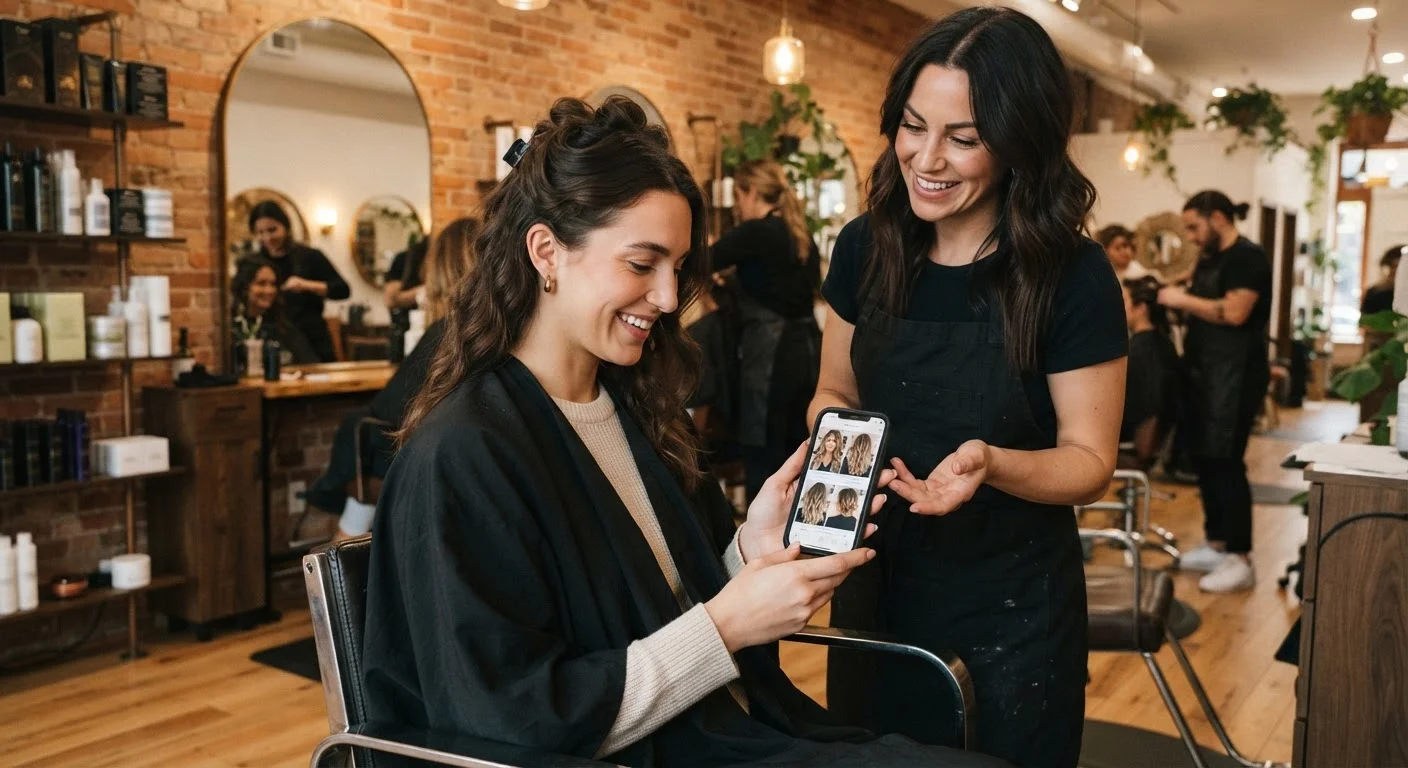
Walking into a salon for a dramatic cut, a color overhaul, or a chemical service without preparation is one of the most common reasons clients leave disappointed - not because the stylist lacked skill, but because both sides were working from different mental pictures. The consultation that happens before scissors or color touches your hair is the most important part of any major service.
This checklist is designed to help you walk in ready: with the right visuals, the right questions, and a realistic sense of what's achievable in a single appointment. It works for any hair type, any texture, and any level of styling experience. Think of it as a communication tool - one that helps your stylist help you.
If you're considering a chemical service specifically, it's also worth reading about what's involved in chemical straightening and relaxing before your appointment, so you arrive already informed about the process and its implications.
Gather Your Visual References
Know Your Hair History
Set Realistic Expectations
Prepare Your Questions
How to Use the Checklist
Work through each group in the days before your appointment - ideally starting at least 48 hours ahead. Some items, like gathering your chemical history or pulling reference photos, take time and can't be rushed. Others, like writing down your questions, take only a few minutes but make a measurable difference during the consultation.
Bring any notes or photos to the appointment itself. Many stylists appreciate when clients arrive with a shortlist of their own concerns - it signals that you're a collaborative partner in the outcome, not a passive recipient.
Don't Skip the Patch Test
If your service involves color, bleach, or a chemical treatment you haven't had before - or one you haven't had in a long time - ask your stylist whether a patch test is appropriate. Allergic reactions to hair dye can range from mild irritation to severe responses. Reputable salons routinely offer patch tests; never feel embarrassed to request one.
It's also worth checking in with your own habits before your appointment. Everyday grooming habits that quietly damage hair - like aggressive towel drying or heat without protection - can affect how your hair responds to color or chemical services. Being honest with your stylist about these habits helps them make better decisions for your specific hair condition.
This article is for general informational purposes only and is not a substitute for professional advice from a licensed cosmetologist or dermatologist. If you have a scalp condition or known allergies, consult a qualified professional before any chemical service.
The content on this site is for informational purposes only and is not a substitute for professional advice. Always consult a qualified professional for guidance specific to your situation.