

Why Hair Growth Myths Are So Stubborn
Hair care advice travels fast online - and it often travels far from the truth. Myths about hair growth are particularly tenacious because hair changes slowly, making it easy to attribute results to whatever routine you happened to start a few months prior. Add generations of folk wisdom, social media "before and after" posts, and supplement advertising, and the misinformation ecosystem becomes self-sustaining.
Understanding what actually drives hair growth - primarily genetics, follicle health, hormones, and overall nutrition - helps cut through the noise. Just as skincare myths persist despite the evidence, hair myths often feel plausible because they contain a kernel of related truth surrounded by faulty logic.
Myth
Cutting or trimming your hair regularly makes it grow faster.
Fact
Hair growth originates at the follicle in the scalp - scissors never touch that process.
Hair grows from follicles beneath the scalp at a rate determined largely by biology, not by what happens to the ends. Trimming removes split ends and prevents breakage from traveling up the shaft, which helps hair appear longer and healthier over time - but it has no effect on the rate of growth itself. This myth likely persists because people who trim regularly also tend to maintain hair health, making length retention more visible.
Myth
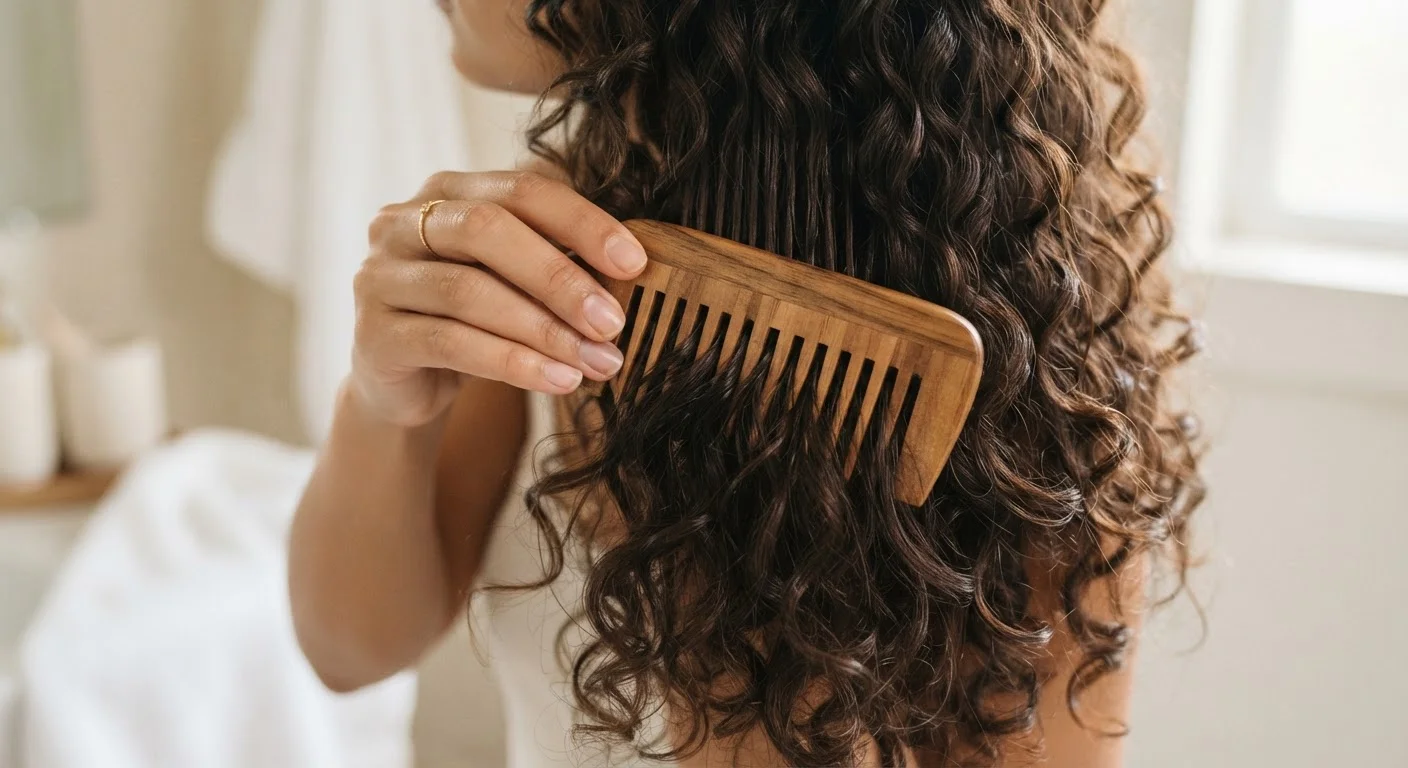
Brushing your hair 100 strokes every day makes it shinier and promotes growth.
Fact
Excessive brushing creates mechanical stress that can weaken and break hair strands.
The "100 strokes" rule is a holdover from an era before modern hair care science. While gentle brushing does distribute natural scalp oils and can improve shine modestly, overdoing it - especially on dry or chemically treated hair - causes friction, cuticle damage, and breakage. Brush enough to detangle and style, using a wide-tooth comb or soft-bristle brush suited to your hair type. For more on habits that erode hair health gradually, see grooming habits that quietly damage hair.
Myth
Wearing hats regularly causes hair loss by suffocating the follicles.
Fact
Hair follicles receive oxygen from the bloodstream, not the surface of the scalp, so hats do not restrict follicle function.
This myth conflates surface coverage with internal biology. Follicles are nourished via blood vessels, not ambient air. A hat would need to be so tight it visibly restricted circulation - an unrealistic scenario for normal headwear - to have any impact. Genetics, hormones, and health conditions are the established drivers of follicle function and hair loss patterns.
Myth
Hair growth supplements will help anyone grow hair faster or thicker.
Fact
Supplements generally only help people whose hair issues stem from a confirmed nutritional deficiency.
Biotin, collagen, and similar supplements are heavily marketed for hair growth. The evidence base, however, is narrow: supplementation tends to benefit individuals with documented deficiencies in specific nutrients like iron, vitamin D, or zinc. For people with adequate nutritional status, adding more of these nutrients does not appear to meaningfully accelerate growth or increase density. A healthcare provider can test for deficiencies before you invest in supplements.
Myth
Stress has nothing to do with hair shedding - it's all genetics.
Fact
Significant physical or emotional stress can trigger a temporary hair-shedding condition called telogen effluvium.
Genetics do play a major role in long-term hair patterns, but acute or prolonged stress can push a larger-than-normal proportion of follicles into the resting (telogen) phase simultaneously, leading to noticeable shedding weeks or months later. This is typically reversible once the stressor resolves. Understanding the difference between stress-related shedding and clinical hair loss matters - learn how to tell them apart.
Myth
Oily scalp means you're not washing your hair often enough.
Fact
Sebum production is largely governed by genetics, hormones, and skin biology - not just wash frequency.
Over-washing can actually strip the scalp of sebum, prompting oil glands to compensate by producing more - a cycle that worsens the problem. Scalp oiliness varies widely across individuals and is influenced by factors well beyond hygiene habits. For a more detailed look, explore the real reasons your scalp gets oily so fast.
What the Evidence Actually Supports
None of the corrections above mean hair care is pointless. Protective practices - minimizing heat exposure, reducing mechanical stress, maintaining scalp health, and eating a balanced diet - genuinely support the appearance and integrity of existing hair. The distinction is between retaining the hair you grow versus accelerating growth itself. For a deeper look at how heat tools alter hair structure, see what heat styling actually does to your hair shaft.
~6 inches
Average hair growth per year
The American Academy of Dermatology notes that scalp hair grows approximately half an inch per month on average, regardless of trimming habits.
50-100
Strands shed daily (normal range)
Dermatological sources widely cite this as the typical daily shedding range for adults with a full hair cycle; numbers above this threshold may warrant professional evaluation.
~85%
Follicles in active growth phase at once
At any given time, the majority of scalp follicles are in the anagen (growth) phase, which can last two to seven years depending on genetics.
If you are concerned about hair loss beyond ordinary shedding, a dermatologist is the most reliable resource - they can identify whether the cause is genetic, hormonal, nutritional, or related to another health condition, and recommend evidence-based options accordingly.
Hair Loss Can Signal a Medical Condition
Sudden, significant, or patchy hair loss is not always cosmetic - it can reflect hormonal imbalances, autoimmune conditions, nutritional deficiencies, or other underlying health issues. If you are experiencing notable hair shedding or thinning beyond normal variation, consult a dermatologist or healthcare provider rather than relying on home remedies or internet advice.
This article is for general informational purposes only and is not a substitute for professional medical or dermatological advice. If you have concerns about hair loss or scalp health, consult a qualified healthcare provider.
The content on this site is for informational purposes only and is not a substitute for professional advice. Always consult a qualified professional for guidance specific to your situation.