

Start here
Why the First Visit Is So Important
Prepare
What to Bring and How to Prepare
Understand
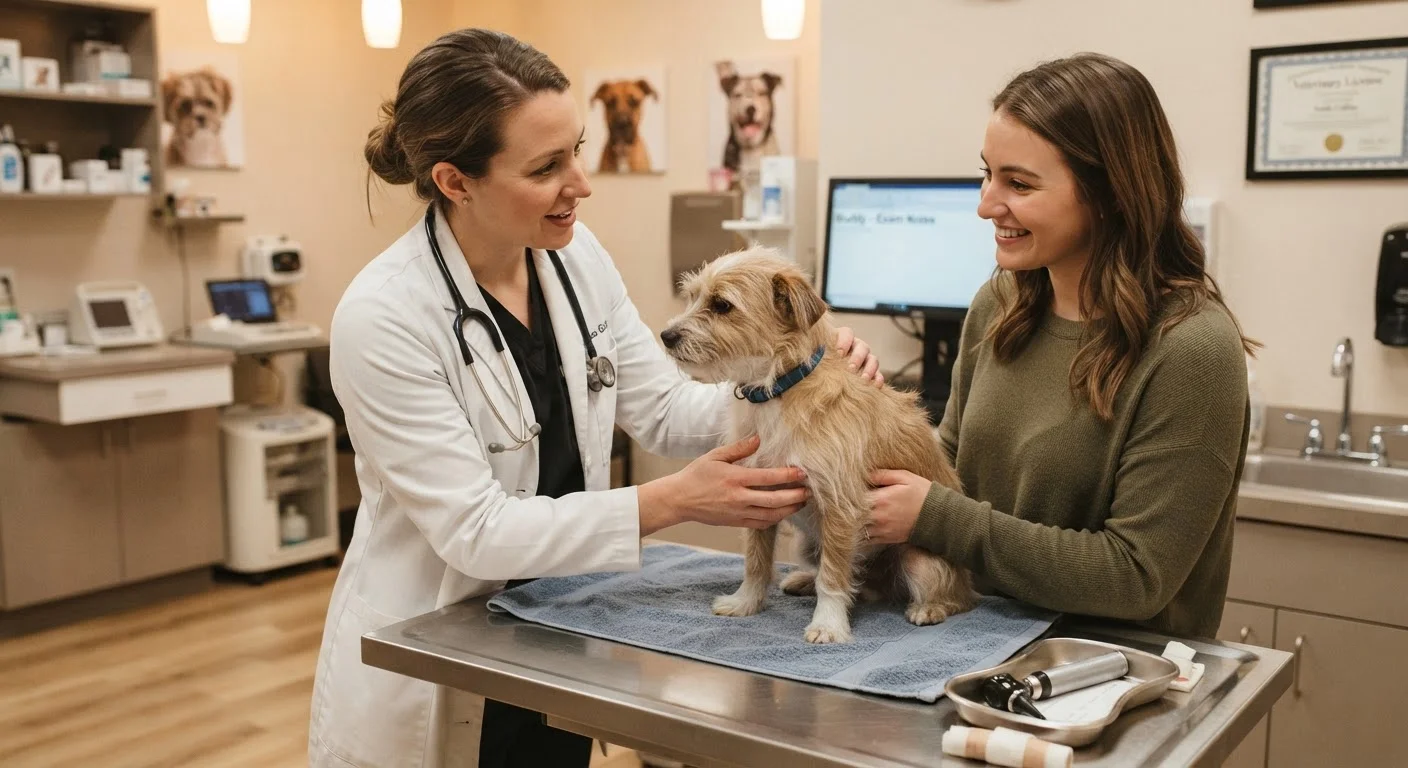
What Happens During the Exam
Engage
Questions Worth Asking Your Vet
Move forward
After the Visit: Building on the Foundation
Why the First Visit Is So Important
Bringing a new pet home is exciting - and a little overwhelming. One of the most important early steps you can take is scheduling a veterinary exam within the first week. This appointment isn't just about vaccinations; it's about establishing a complete health baseline that will guide your pet's care for years to come.
A veterinarian will identify any health concerns your new companion may have arrived with - conditions that aren't always visible to the untrained eye. It also starts the relationship between your pet and their care team on solid footing. The more your vet knows about your animal from day one, the better equipped they are to spot changes over time. For more on recognizing when something is off, see signs your pet's behavior may warrant a vet visit.
Timing Matters for Young Animals
Puppies and kittens have rapidly developing immune systems and typically need a series of vaccines spaced several weeks apart during the first months of life. For young animals especially, scheduling that first visit promptly - ideally within a few days of bringing them home - ensures their vaccine series stays on track and that any developmental concerns are caught early.
What to Bring and How to Prepare
Walking in prepared makes the visit smoother for you, your pet, and the veterinary team. Here's what to gather beforehand:
- Medical records and vaccination history - from the breeder, shelter, or previous owner
- A fresh stool sample - collected within 24 hours and stored in a sealed container; the lab will screen it for intestinal parasites
- A list of current foods, treats, and supplements your pet is receiving
- Any medications already being given, including flea and tick preventives
- Your questions - written down so you don't forget in the moment
Transport your pet safely: cats and small animals should travel in a secure carrier, and dogs should be leashed or crated. Arriving calm yourself helps - pets pick up on owner anxiety more than most people realize.
Ease Clinic Anxiety Before You Arrive
Spend a few days before the visit getting your pet comfortable with their carrier or car rides, if they aren't already. Placing a familiar-smelling blanket inside the carrier can help reduce stress. Letting the clinic know in advance if your pet tends to be anxious gives the team time to prepare a calmer, quieter space for your arrival.
What Happens During the Exam
A standard first wellness exam is a head-to-tail physical assessment. The veterinarian will typically evaluate:
- Weight and body condition - to gauge whether your pet is over, under, or at a healthy weight
- Eyes, ears, and nose - looking for discharge, redness, or signs of infection
- Teeth and gums - early dental disease is common and often starts young
- Coat and skin - checking for parasites, dry patches, or unusual lumps
- Heart and lungs - a stethoscope exam to detect murmurs or respiratory issues
- Abdomen - gentle palpation to assess organ size and detect any discomfort
Based on this exam, the vet will recommend a vaccination schedule, parasite prevention plan, and any diagnostic tests. Not every pet will receive shots at this first visit - it depends on age and existing records. The vet will explain the reasoning behind each recommendation.
Health baseline
A recorded snapshot of your pet's weight, vital signs, and overall condition at a specific point in time, used to track changes at future visits.
Wellness exam
A routine physical checkup performed by a veterinarian when a pet appears healthy, aimed at prevention and early detection rather than treating illness.
Parasite prevention
A consistent program - typically monthly medications or topical treatments - designed to protect pets from fleas, ticks, heartworm, and intestinal worms.
Vaccination schedule
A recommended timeline for giving core and lifestyle vaccines, developed based on your pet's age, species, health status, and risk of exposure.
Fecal screen
A laboratory test performed on a stool sample to check for intestinal parasites such as roundworms, hookworms, or giardia.
Questions Worth Asking Your Vet
Your vet is your most reliable partner in your pet's health - don't hold back. These are questions worth raising at a first visit:
- What diet and feeding schedule is appropriate for my pet's age and breed?
- Which vaccines are recommended, and on what schedule?
- What parasite prevention do you recommend year-round?
- Are there early signs of illness I should watch for at home?
- When should I schedule the next routine checkup?
- Is spaying or neutering recommended, and when?
If you have other animals at home, this is also a good moment to ask about safe introductions. The room-by-room approach to introducing a new pet can help minimize stress for every animal in the household.
After the Visit: Building on the Foundation
The first vet visit is just the beginning. Most pets will need follow-up appointments for additional vaccines, booster shots, or lab results. Before you leave the clinic, confirm your next scheduled visit and ask about the best way to reach the practice with non-urgent questions between appointments.
At home, complement your pet's health care with consistent daily routines. Setting up a daily routine for your first pet can make a meaningful difference in their physical and emotional well-being. And as your pet grows, routine annual exams will remain essential - annual wellness exams catch far more than most owners expect.
If you ever face an urgent situation and aren't sure whether it warrants an ER trip, knowing when a pet emergency is truly an emergency can help you respond quickly and confidently.
This article is for general informational purposes only and is not a substitute for professional veterinary advice, diagnosis, or treatment. Always consult a licensed veterinarian with questions about your pet's health.
Frequently Asked Questions
Aim to schedule the first appointment within the first week of bringing your pet home. Early visits catch any existing health concerns and let your vet record a baseline for future reference. If your pet shows any signs of illness sooner, don't wait - contact your vet right away.
Bring any available medical records, vaccination certificates, and the name of any medications or supplements your pet currently takes. A fresh stool sample (collected within 24 hours) is often requested so the vet can screen for intestinal parasites. Carry your pet securely in a crate or on a leash.
It depends on your pet's age, species, and prior vaccination history. The vet will review what has already been given and recommend what's due next based on current veterinary guidelines. Not every pet will receive shots at the very first visit.
Most first appointments last between 30 and 60 minutes. First visits tend to be longer than routine checkups because the vet is gathering a full history, performing a thorough physical exam, and discussing care plans with you.
Let the clinic staff know about your pet's anxiety before or when you arrive - they are trained to handle nervous animals safely and compassionately. Some practices offer pre-visit calming strategies or fear-free handling techniques. Your vet can also advise on longer-term approaches to reduce stress around veterinary care.
Yes. Indoor cats still require regular wellness exams, vaccinations appropriate for their lifestyle, and parasite prevention. Many health conditions develop gradually with no obvious symptoms, so routine checkups are the best way to catch problems early regardless of whether your cat goes outdoors.
The content on this site is for informational purposes only and is not a substitute for professional advice. Always consult a qualified professional for guidance specific to your situation.