

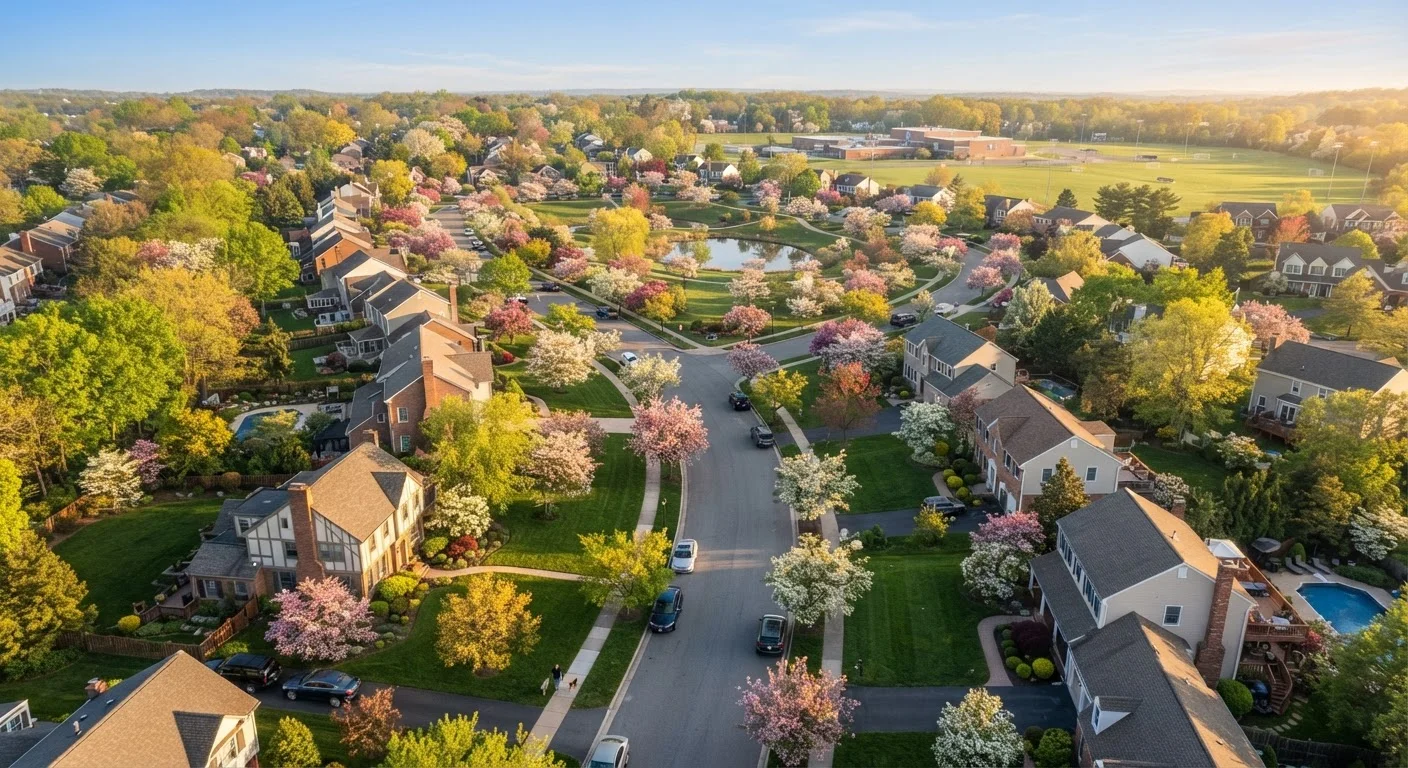
Why Housing Markets Move With the Seasons
If you track home sales data in almost any U.S. metro area, a clear pattern emerges: listings spike in spring, sales peak in early summer, activity cools through fall, and winter brings the slowest months of the year. This cycle is consistent enough that real estate professionals, economists, and buyers alike plan around it.
Seasonal patterns reflect real human behavior - school calendars, weather, tax refund timing, and the desire to settle before the next academic year all push buyers and sellers toward predictable windows. Understanding these rhythms won't tell you exactly when to act, but it gives you a reliable framework for reading the market. For a deeper look at the indicators that signal market direction at any time of year, see how inventory and demand signals work together.
Season by Season: What Buyers and Sellers Typically Experience
Spring (March-May): Peak Listing Season
Spring is when inventory floods the market. Sellers list in volume, believing - often correctly - that more buyers are actively searching. For buyers, more choices are welcome, but so is more competition. Bidding wars, fast-moving offers, and above-asking-price sales are more common in spring than at any other time. Prices tend to reflect this demand pressure.
Summer (June-August): High Volume, Gradual Slowdown
Sales volume is typically at its highest in early summer as spring contracts close. Families motivated by school-year timing often close deals before August. By late summer, urgency fades, and some sellers who haven't found buyers begin to get more flexible on price. The homebuying process can take 30-60 days from offer to close, so buyers targeting a summer move often start searching in spring.
Fall (September-November): A Secondary Window
Once the school-year rush passes, the market cools but doesn't stop. Fall often brings motivated sellers - people who need to relocate for work, estates being settled, or sellers who have already dropped their price after an unsuccessful summer. Competition among buyers is lower, which can mean more negotiating room. Inventory shrinks, but so does the pool of competing offers.
Winter (December-February): Slow but Not Dead
Winter is statistically the slowest season for home sales, particularly in colder regions. Fewer listings, fewer buyers, and holiday disruptions all reduce activity. However, buyers who search in winter often face less competition, and sellers who list in winter typically have a genuine reason to move - which can create favorable conditions for negotiation. Markets in Sun Belt states (Florida, Arizona, Texas) see less dramatic winter slowdowns than northern markets.
What This Means for Your Plans
Seasonal patterns are tendencies, not guarantees. Local market conditions, mortgage rate shifts, and broader economic forces can compress or extend any seasonal phase. In recent years, low housing inventory in many markets has kept competition elevated even in traditionally slow periods. Longer-term housing cycles layer on top of seasonal rhythms - a strong seller's market can make even winter feel competitive.
If you're a buyer, entering the market slightly before peak spring can give you access to fresh inventory before the heaviest competition arrives. If you're a seller, spring listing dates tend to attract the most eyeballs - but motivated off-season buyers may close faster with fewer contingencies. Familiarize yourself with the key terms used in market reporting through our housing market glossary, and explore the broader buying a home resource hub for guidance at every stage of the process.
This article is for general informational purposes only and does not constitute financial, legal, or real estate advice. Consult a licensed real estate professional for guidance specific to your situation and local market.
The content on this site is for informational purposes only and is not a substitute for professional advice. Always consult a qualified professional for guidance specific to your situation.