

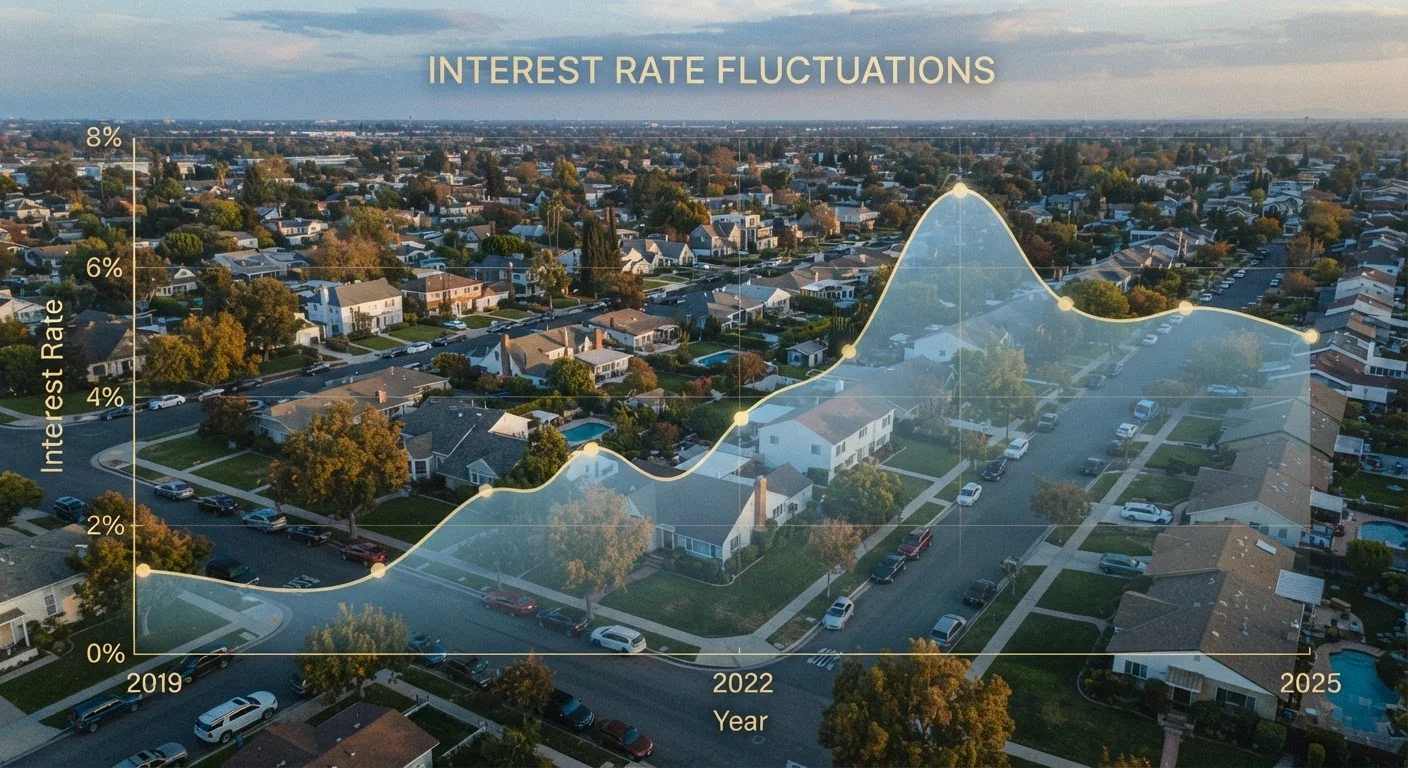
How Mortgage Rates Shape What Buyers Can Afford
The most direct effect of mortgage rates is on purchasing power. When rates increase, the monthly payment on any given loan amount rises - meaning buyers qualify for smaller loans at the same income level. For a $400,000 home purchase with a 20% down payment, the difference between a 4% and a 7% interest rate on a 30-year fixed mortgage translates to hundreds of dollars more per month.
That gap in monthly payment forces many buyers to either lower their target price, delay their purchase, or exit the market entirely. When enough buyers pull back, sellers face less competition among offers, and price growth slows or reverses. This is the core mechanism that links rising rates to softening prices.
The reverse also holds. When rates fall, the same buyer can suddenly afford a more expensive home without increasing their monthly payment. That expanded affordability brings more buyers into the market, often simultaneously, which intensifies competition and pushes prices upward. Understanding this dynamic is foundational to reading any housing market data. See our guide to economic indicators that move the housing market for more context on what drives these shifts.
~$200+
Monthly payment increase per $300K loan (4% vs. 7% rate)
Based on standard 30-year fixed mortgage amortization calculations comparing a 4% and 7% interest rate on a $300,000 loan balance.
10-Year Treasury
Key benchmark for 30-year fixed mortgage rates
30-year fixed mortgage rates are most closely correlated with the yield on 10-year U.S. Treasury notes, not the Federal Reserve's short-term policy rate.
Several months
Typical lag between rate changes and price adjustments
Housing economists broadly observe that median sale prices respond to rate-driven demand shifts over a period of months, not weeks.
Why the Relationship Isn't a Clean Equation
It would be convenient if a 1% rate increase reliably produced a predictable price drop, but housing markets don't work that way. Supply is the most important complicating factor. In markets where available inventory is very low - fewer homes listed than buyers actively searching - prices can remain stubbornly high even as rates rise.
This is partly explained by what economists call the lock-in effect. When mortgage rates rise sharply, many existing homeowners are reluctant to sell. Doing so would mean giving up their current low-rate mortgage and taking on a new, higher-rate loan for their next purchase. The result is a paradox: rates rise, affordability falls, but the number of homes for sale also shrinks - which prevents prices from dropping as much as affordability alone would predict.
This phenomenon contributed significantly to the unusual dynamics seen in the U.S. housing market during recent high-rate periods, when price declines in many markets were more modest than historical patterns might have suggested. Our explainer on common misconceptions about a housing market crash explores why price drops are rarely as dramatic as headlines suggest.
A family pre-approved for a $350,000 mortgage at 4% sees rates jump to 7%. Their lender recalculates and they now qualify for roughly $270,000 - without any change to their income.
A homeowner locked in a 3% mortgage in 2021 decides not to list their home for sale when rates rise to 7%, because buying their next home would nearly double their interest costs.
Mortgage rates drop from 7% to 5.5% over six months. Within weeks, open house attendance surges and multiple-offer situations return in several metro areas.
Reading Rate Movements as a Market Signal
For anyone buying, selling, or simply tracking housing trends, mortgage rates function as one of the most useful forward-looking signals available. Rate changes tend to affect buyer behavior within weeks, but home prices adjust more slowly - often over several months - because sellers typically resist reducing asking prices quickly.
This lag creates a window where sales volume drops sharply before list prices fully reflect lower demand. Watching that sales-volume decline is often a more timely indicator than median sale price, which can appear stable even as the market cools underneath it. Our article on when housing data misleads explains how to spot these gaps between headlines and what's actually happening.
It's equally important to recognize that mortgage rates are themselves a product of broader economic forces - inflation expectations, Federal Reserve policy signals, and bond market conditions. Understanding one layer means understanding the whole chain. Readers interested in the bigger picture can explore how housing market cycles work to see where rate shifts fit into longer price patterns.
If you're actively shopping for a home, understanding what a mortgage pre-approval actually tells you is an important next step - and comparing fixed-rate vs. adjustable-rate mortgage trade-offs can help clarify which loan structure fits your situation.
This article is for general informational and educational purposes only and does not constitute personalized financial, mortgage, or investment advice. Consult a licensed financial or mortgage professional before making any borrowing or home-purchase decisions.
Frequently Asked Questions
Not always. Higher rates reduce affordability and typically slow price growth or cause modest price declines. However, in markets with very limited housing supply, prices can remain elevated even as rates rise because there simply aren't enough homes to meet demand.
Price adjustments tend to lag rate changes by several months. Buyer behavior shifts relatively quickly, but sellers often resist cutting list prices, creating a period of slower sales volume before prices formally adjust.
When rates rise significantly, homeowners with existing low-rate mortgages are financially discouraged from selling, since a new purchase would come with a higher rate. This reduces the number of homes listed for sale, tightening supply and softening the expected price decline.
This is a personal financial decision best made with a licensed financial or mortgage professional. When rates drop, more buyers typically enter the market at once, which can drive prices higher and offset some of the payment savings.
No. The Federal Reserve sets the federal funds rate, which influences short-term borrowing costs. Mortgage rates - particularly 30-year fixed rates - are more closely tied to the yield on 10-year U.S. Treasury bonds and broader bond market conditions.
No. Local supply, employment conditions, and population trends all influence how strongly a market responds to rate changes. A high-demand city with scarce housing inventory will behave very differently from a market with ample supply.
The content on this site is for informational purposes only and is not a substitute for professional advice. Always consult a qualified professional for guidance specific to your situation.