

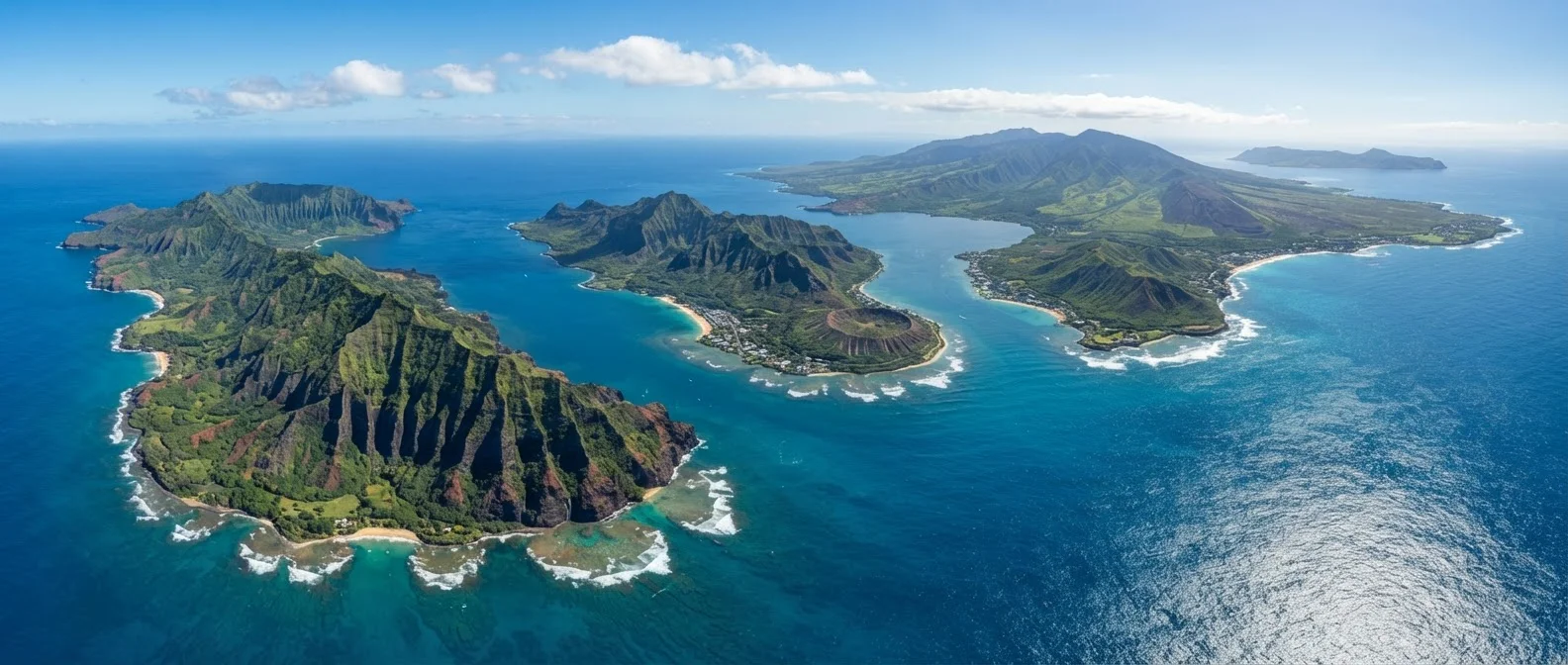
Our Verdict
No single Hawaiian island is objectively superior - the right choice depends entirely on what kind of trip you want. Oahu delivers the most infrastructure; Maui offers the smoothest resort experience; Kauai rewards those willing to embrace limited options for stunning solitude; and the Big Island is unmatched for geological wonder. Matching your priorities to the island's character is the most reliable way to avoid disappointment.
| Best for | Recommended |
|---|---|
| First-time visitors and city-comfort travelers | Oahu |
| Couples, honeymooners, and resort-focused stays | Maui |
| Hikers, nature seekers, and those wanting seclusion | Kauai |
| Adventure travelers and geology enthusiasts | Big Island |
Why Island Choice Matters More Than You Think
Many travelers book a trip to Hawaii without realizing how different the islands actually are from one another. Oahu and Kauai, for example, share the same state but offer experiences as distinct as New York City and rural Vermont. Choosing the wrong island for your travel style is one of the most common planning mistakes Americans make on Hawaiian trips.
This comparison focuses on the four main visitor islands - Oahu, Maui, Kauai, and the Big Island (Hawaii Island) - examining terrain, crowd levels, infrastructure, and the traveler profiles each island genuinely serves well. Once you know what to realistically expect, you can commit to an island - or a combination - with confidence. If you're ready to start structuring your days, see our step-by-step itinerary guide after you've selected your destination.
Island-by-Island Breakdown
Here's how the four major islands compare across the criteria that matter most to trip planning.
| Oahu | Maui | Kauai | Big Island | |
|---|---|---|---|---|
| Crowd Level | Very high | High | Moderate | Low to moderate |
| Infrastructure & Amenities | Excellent | Very good | Limited | Moderate |
| Primary Terrain | Urban coast & mountains | Beaches & volcanic summit | Sea cliffs & canyons | Volcanic landscape & rainforest |
| Best For | First-timers, city lovers | Couples, families | Nature seekers, hikers | Adventure & geology fans |
| Rental Car Necessity | Optional | Recommended | Essential | Essential |
| Flight Access from Mainland | Most direct flights | Many direct flights | Fewer direct flights | Moderate direct flights |
| Nightlife & Dining | Extensive | Good variety | Very limited | Limited outside resorts |
Oahu is home to Honolulu, Waikiki, and Pearl Harbor - it has the most developed tourism infrastructure of any island, including the state's primary international airport. This makes it the most accessible but also the most crowded. Waikiki Beach is genuinely beautiful, though busy year-round.
Maui tends to attract travelers who want polished resort experiences alongside natural access points like the Road to Hana and Haleakalā National Park. It strikes a balance between amenities and outdoor variety that suits a wide range of travelers, including families.
Kauai - the oldest island geologically - is the most visually dramatic, featuring the Na Pali Coast cliffs and Waimea Canyon. However, it has limited dining, shopping, and transportation options compared to the other islands. Rental cars are essentially required, and some of the best scenery is only reachable by boat or helicopter.
The Big Island is the largest by land area and the most geologically active. Visitors can observe lava flows and volcanic craters at Hawaiʻi Volcanoes National Park. The island also contains dramatically different climate zones - from rainforest to near-desert - within a single drive.
Crowd Levels and Practical Logistics
Oahu receives by far the highest number of visitors annually, which affects everything from beach space to restaurant wait times. Travelers who find busy environments stressful should factor this in. Maui sees significant visitor volume as well, particularly in West Maui resort corridors, though it spreads more evenly across the island.
Kauai and the Big Island are quieter but for different reasons. Kauai's limited road access means certain areas feel genuinely remote. The Big Island's sheer size - roughly the area of Connecticut - means its population and tourist traffic spread thinly.
Time Your Visit Around Shoulder Seasons
Hawaii's peak visitor periods generally align with U.S. school holidays - summer, winter break, and spring break. Traveling in April-May or September-October can mean fewer crowds and more accommodation availability on all four islands, though weather and conditions vary. Always check current travel advisories and local conditions through official tourism and government sources before finalizing dates.
Flight logistics matter too. Most mainland U.S. travelers fly into Honolulu (Oahu) or Kahului (Maui) as primary gateways. Kauai's Lihue Airport and the Big Island's Kona and Hilo airports are served by fewer direct flights, which can mean higher fares or connections. Always verify current flight availability and entry requirements through official airline and government sources before booking.
If you're weighing whether to plan this trip independently or through an organized tour, our comparison of solo vs. group travel can help clarify which approach suits your style.
Making the Final Call
The most practical framework: start with your non-negotiables. If you need reliable restaurant access, urban energy, and cultural attractions, Oahu is the clear answer. If resort amenities and a scenic day-trip or two matter most, Maui delivers. If you're willing to trade convenience for extraordinary natural landscapes and don't mind limited options, Kauai is worth the trade-off. If witnessing volcanic activity is on your list, no other island can offer that.
Island-hopping - visiting two islands in one trip - is feasible but adds inter-island flights, multiple hotel check-ins, and logistical complexity. Most travelers who attempt more than two islands in under ten days report feeling rushed. A focused stay of five to seven nights on one island generally yields a more satisfying experience than a compressed multi-island sprint.
Whatever you decide, set realistic expectations before you arrive. Hawaii offers remarkable experiences across all four islands - but the right one depends on you, not on which island gets the most social media coverage.
The content on this site is for informational purposes only and is not a substitute for professional advice. Always consult a qualified professional for guidance specific to your situation.