

Start here
Understanding the Scale of the City
Next
Neighborhoods Worth Knowing Before You Go
Then
Safety: What the Headlines Miss
Also important
Getting Around the City
Before you land
Practical Logistics Before You Arrive
Understanding the Scale of the City
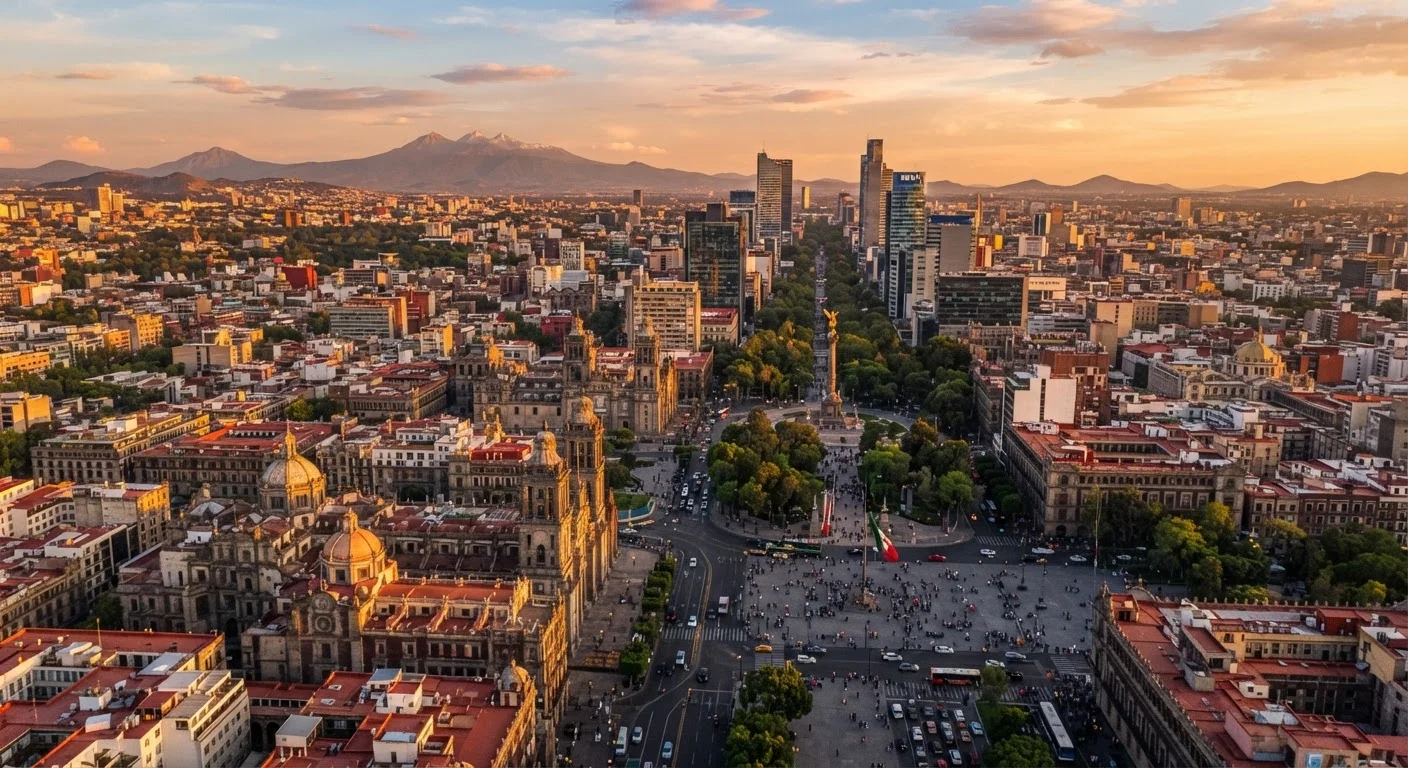
Mexico City - known locally as Ciudad de México or CDMX - is home to over 9 million people in the city proper, with the broader metropolitan area exceeding 21 million. It is one of the largest cities in the Western Hemisphere, and its sheer size is the first realistic expectation to set.
First-time visitors sometimes arrive expecting to see the entire city in a few days. That's not realistic. CDMX spans 16 boroughs (alcaldías) with distinct characters, infrastructure, and accessibility levels. A smarter approach is to anchor yourself in one or two neighborhoods and explore outward from there. Trying to cover everything leads to exhausting transit time and surface-level experiences.
The city also sits at roughly 7,350 feet (2,240 meters) above sea level. If you're coming from a low-altitude city, build in a slow first day. Headaches and fatigue are common in the first 24-48 hours and don't indicate anything is wrong - your body simply needs time to adjust.
Alcaldía
The Spanish term for the 16 administrative boroughs that divide Mexico City. Each has its own character, infrastructure, and governance.
Zócalo
The main public square in Centro Histórico, formally called Plaza de la Constitución. It's one of the largest city squares in the world and a central landmark.
Colonia
A neighborhood or district within a Mexican city. Roma, Condesa, and Polanco are all colonias within Mexico City.
Altitude sickness
A temporary physical reaction - often including headaches and fatigue - caused by reduced oxygen levels at high elevations. Mexico City's altitude can trigger mild symptoms in some visitors.
Comida
The main midday meal in Mexican culture, typically eaten between 2-4 p.m. It is generally the largest and most elaborate meal of the day.
Neighborhoods Worth Knowing Before You Go
Mexico City's neighborhoods are diverse enough that choosing where to stay shapes almost everything else about your trip. A few areas are particularly accessible and well-suited to first-time visitors.
- Roma and Condesa: Tree-lined, walkable, and packed with cafés, markets, and restaurants. These neighboring colonias are where many international visitors base themselves.
- Polanco: Upscale, organized, and home to several major museums. Higher price points, but strong infrastructure for travelers.
- Centro Histórico: The historic core - colonial architecture, the Zócalo (main plaza), and major cultural landmarks. Vibrant but busy; foot traffic and noise are constant.
- Coyoacán: A quieter, bohemian neighborhood in the south, known for its colonial plazas and the Frida Kahlo Museum. Worth a dedicated half-day.
Each area has a different feel and logistical profile. Staying central reduces transit time and gives you more flexibility to pivot plans.
Safety: What the Headlines Miss
Safety is the question most first-timers ask first, and it deserves a grounded answer rather than either dismissal or alarm.
Mexico City's overall crime statistics are often cited without context. Risk is highly uneven across the city. Tourist-frequented neighborhoods like Roma, Condesa, Polanco, and Coyoacán have a meaningfully different risk profile than parts of the city where travelers rarely go. Petty theft - pickpocketing, phone snatching - is the most common concern in busy areas. Violent crime directed at tourists in these neighborhoods is comparatively rare, though not impossible.
Practical habits matter more than anxiety. Avoid displaying expensive electronics openly on the street. Use app-based ride services (such as those available through major platforms operating in Mexico) rather than flagging down unmarked taxis. Avoid ATMs in isolated locations, and use those inside banks or well-lit commercial spaces. At night, stay in areas you know.
For broader guidance on building sound safety habits abroad, see practical safety strategies for international travelers.
Avoid Street Taxis Flagged Down at Random
Mexico City authorities and travel advisories have long cautioned against hailing unmarked or unvetted taxis on the street, particularly at night. Incidents involving unlicensed cabs have been documented over the years. Use app-based ride services or ask your accommodation to arrange a trusted vehicle. This is one of the most consistently repeated safety recommendations for CDMX visitors.
Getting Around the City
Mexico City has an extensive public transit network. The Metro system covers most major areas and is very inexpensive, but trains are frequently crowded - especially during morning and evening rush hours. During off-peak hours, it's a practical and affordable option for getting across the city quickly.
App-based ride services are the most common choice for tourists. They offer fixed pricing, reduce the risk of fare disputes, and provide a record of your route. Confirm which platforms are currently operating in CDMX before your trip, as availability can change.
Within compact neighborhoods like Roma and Condesa, walking is entirely practical. These areas are relatively pedestrian-friendly and dense with things to see. For day trips to areas like Teotihuacán or Xochimilco, organized tours or guided transport are a sensible option for first-timers navigating unfamiliar outer zones.
Culture, Customs, and Common Courtesies
Mexico City is a cosmopolitan, culturally rich capital - not a monolith. Residents are generally welcoming of international visitors, and making even small efforts to engage respectfully goes a long way.
Spanish is the primary language. While English is spoken in some hotels, upscale restaurants, and tourist venues, it's inconsistently available elsewhere. Learning basic phrases - greetings, numbers, how to order food, how to ask for directions - is genuinely useful and often appreciated. A translation app is a reliable backup in trickier situations.
Mealtimes run later than many Americans expect. Lunch (comida) is typically the largest meal of the day, often eaten between 2-4 p.m. Dinner can run from 8 p.m. onward. Arriving at a restaurant at 6 p.m. expecting a full dinner service may mean a sparse crowd or limited menu.
Tipping is customary. In restaurants, 10-15% is a reasonable norm; more for attentive service. Tipping market vendors or street food sellers is less expected but always appreciated.
Pace Yourself on Day One
Resist the urge to pack your first day with multiple neighborhoods and museums. The altitude and the city's scale will tire you faster than you expect. Arrive, settle in, eat something local nearby, and walk your immediate area. You'll make smarter decisions about the rest of your trip once you've had a night's sleep at elevation.
Practical Logistics Before You Arrive
A few logistics are worth sorting out before your flight lands. If this is your first international trip or your first time traveling from the US, the ground-up guide to international trip planning covers foundational preparation including passports and documentation. For a US-specific pre-departure checklist, see the practical starting framework for Americans traveling abroad.
- Currency: Arrive with some pesos or withdraw from a bank ATM upon arrival. Exchange desks at airports typically offer poor rates.
- Connectivity: An international plan through your carrier or a local SIM card will keep you navigable. Download offline maps before you land.
- Entry documentation: Verify current visa, passport validity, and any health requirements through official government sources - these details can change and should be confirmed close to your departure date.
- Travel insurance: Consider coverage that includes medical evacuation; healthcare access and quality vary, and altitude-related issues can require attention.
If you're arriving solo, strategies for orienting yourself in an unfamiliar city can help you settle in without overcomplicating the first few days.
This article provides general travel information for educational purposes. Entry requirements, safety conditions, and local regulations can change. Always verify current details through official government and travel authority sources before your trip.
Frequently Asked Questions
US citizens generally do not need a visa for tourist stays up to 180 days in Mexico. However, entry requirements can change, so always verify current rules through the official Mexican government or US State Department websites before your trip.
Safety varies significantly by neighborhood. Areas popular with tourists - such as Roma, Condesa, Polanco, and Coyoacán - have a lower risk profile than the city's overall statistics imply. Practicing situational awareness, using vetted transportation, and avoiding poorly lit or unfamiliar areas at night are standard precautions.
The Mexican Peso (MXN) is the official currency. While some tourist-facing businesses accept US dollars, you'll typically get a worse exchange rate. Using pesos for most transactions is strongly recommended. Withdraw cash from bank ATMs in well-lit, secure locations.
It's possible. Mexico City sits at approximately 7,350 feet (2,240 meters) above sea level - higher than Denver, Colorado. Some visitors experience headaches, fatigue, or shortness of breath in the first day or two. Staying hydrated, limiting alcohol initially, and taking it easy on arrival can help your body adjust.
App-based ride services are a widely used and generally reliable option for tourists. The Metro is extensive and inexpensive but can be extremely crowded during peak hours. Walking is practical within compact neighborhoods like Roma and Condesa. Verify transport options are current before relying on them.
Basic Spanish phrases will meaningfully improve your experience. English is spoken in some hotels, upscale restaurants, and tourist sites, but it's not consistently available in markets, local eateries, or on public transit. A translation app is a practical backup.
The content on this site is for informational purposes only and is not a substitute for professional advice. Always consult a qualified professional for guidance specific to your situation.