

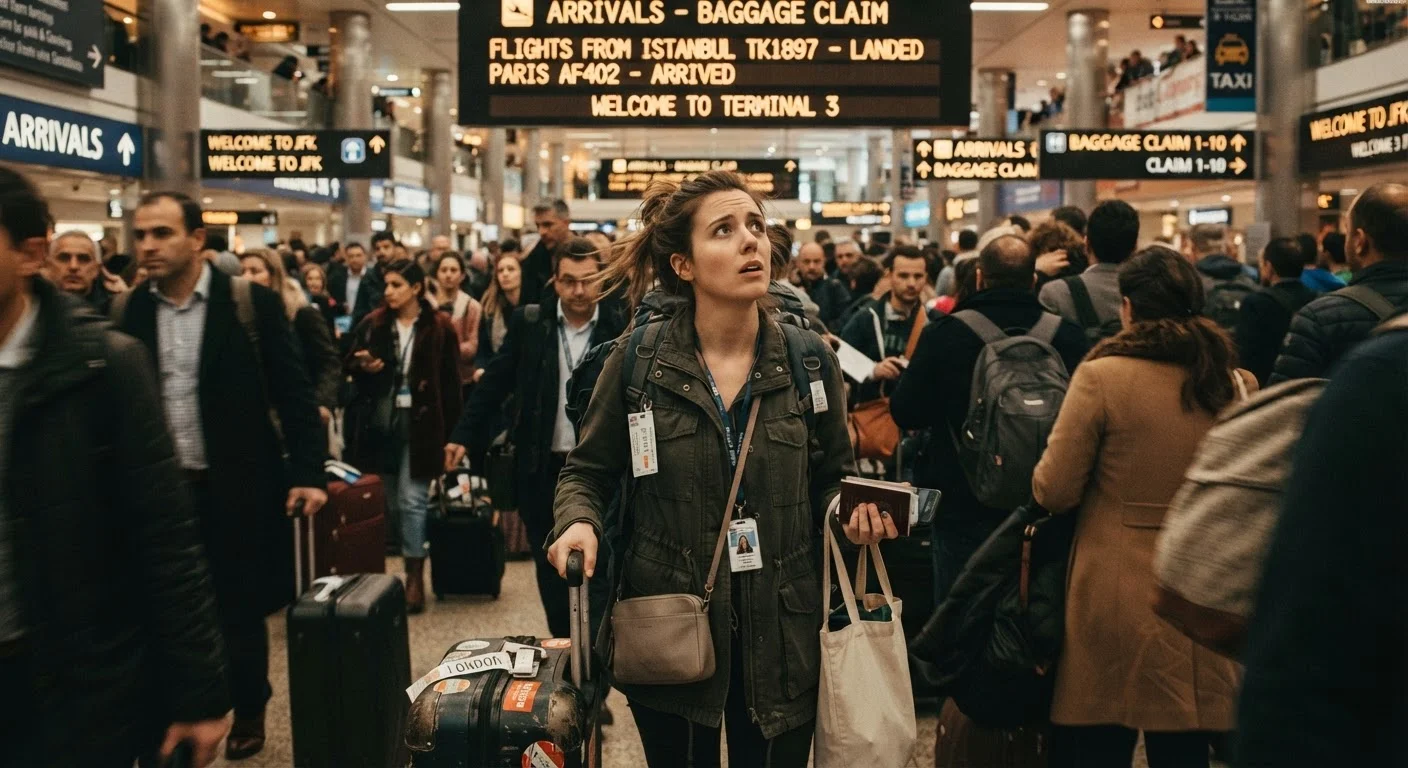
The Appeal - and the Limits - of Spontaneous Travel
Spontaneous travel has real appeal. The idea of landing somewhere new with no fixed agenda feels freeing, and for certain trips - a long weekend in a familiar domestic city, for example - it can genuinely work. But "I'll figure it out when I land" is a mindset that tends to work best when the stakes are lowest. When it's applied to international travel, high-season destinations, or unfamiliar regions, it has a reliable pattern of backfiring.
The problem isn't spontaneity itself. It's assuming that problems will be easy to solve in the moment, in an unfamiliar place, possibly jet-lagged, possibly without reliable connectivity. The difference between a workable itinerary and over-scheduling is smaller than most travelers think - and a little structure goes a long way.
Below are the most common mistakes that fall under the "I'll figure it out" umbrella, along with why they happen and what to do instead.
Common Mistakes Travelers Make by Under-Preparing
These aren't edge cases. They're the situations that travel researchers, experienced guides, and frequent travelers encounter repeatedly - predictable problems that a small amount of pre-trip research would prevent.
Assuming accommodation will be easy to find on arrival.
Why it happens: Travelers assume that vacancy is always available and that booking on the spot gives them flexibility to choose once they arrive.
Not researching entry requirements - visas, vaccinations, or travel authorizations - until it's too late.
Why it happens: Many travelers assume that because they've traveled internationally before without issues, the same rules apply everywhere. Entry requirements vary significantly by destination and nationality.
Having no plan for getting from the airport to the city.
Why it happens: It feels like a small detail, and travelers assume taxis or rideshares will be available and obvious. In many airports, the options are confusing, unregulated, or unavailable without local currency or connectivity.
Traveling without any offline access to maps or key information.
Why it happens: Travelers rely on their phone's data connection without confirming it works at the destination, or assume public Wi-Fi will be readily available.
Underestimating local transport complexity.
Why it happens: Transport systems that look simple on a map can be confusing in practice, especially when signage isn't in English or payment requires a local transit card.
It's worth noting that preparation doesn't mean printing a 30-page itinerary. It means identifying the handful of things that genuinely can't be sorted out easily on arrival - and handling those before you leave. Everything else can stay flexible. For more on that balance, see how to orient yourself without overplanning.
What Preparation Actually Looks Like in Practice
Useful pre-trip preparation is less about pinning down every hour and more about resolving uncertainty in the areas that matter most. A practical checklist covers: confirmed accommodation for at least the first two nights; verified entry requirements from your government's official travel advisory; an understanding of how to get from the airport to your accommodation; and a basic sense of which areas or transit options to avoid.
1 in 3
Travelers who encounter unexpected entry issues
U.S. Customs and Border Protection and various travel industry surveys consistently find that a significant share of travelers are unaware of documentation requirements until they reach the airport or border.
12 hrs
Window when most avoidable trip problems occur
Travel logistics experts generally identify the arrival window - the first half-day in a new destination - as when under-preparation causes the most compounding disruptions.
Connectivity is another often-overlooked gap. Knowing whether your phone plan works at your destination - or whether you'll need a local SIM or portable Wi-Fi device - can determine whether you have access to maps, translation tools, and communication when you need them most. This isn't about being rigid. It's about making sure the first few hours in a new place don't consume all the energy you planned to spend enjoying it. The same logic applies to layovers: small planning decisions made in advance prevent large disruptions later.
This article is for general travel information and education only. Entry requirements, visa rules, health regulations, and travel advisories vary by destination and can change without notice. Always verify current requirements with your government's official travel advisory and the destination country's embassy or consulate before traveling.
The content on this site is for informational purposes only and is not a substitute for professional advice. Always consult a qualified professional for guidance specific to your situation.