

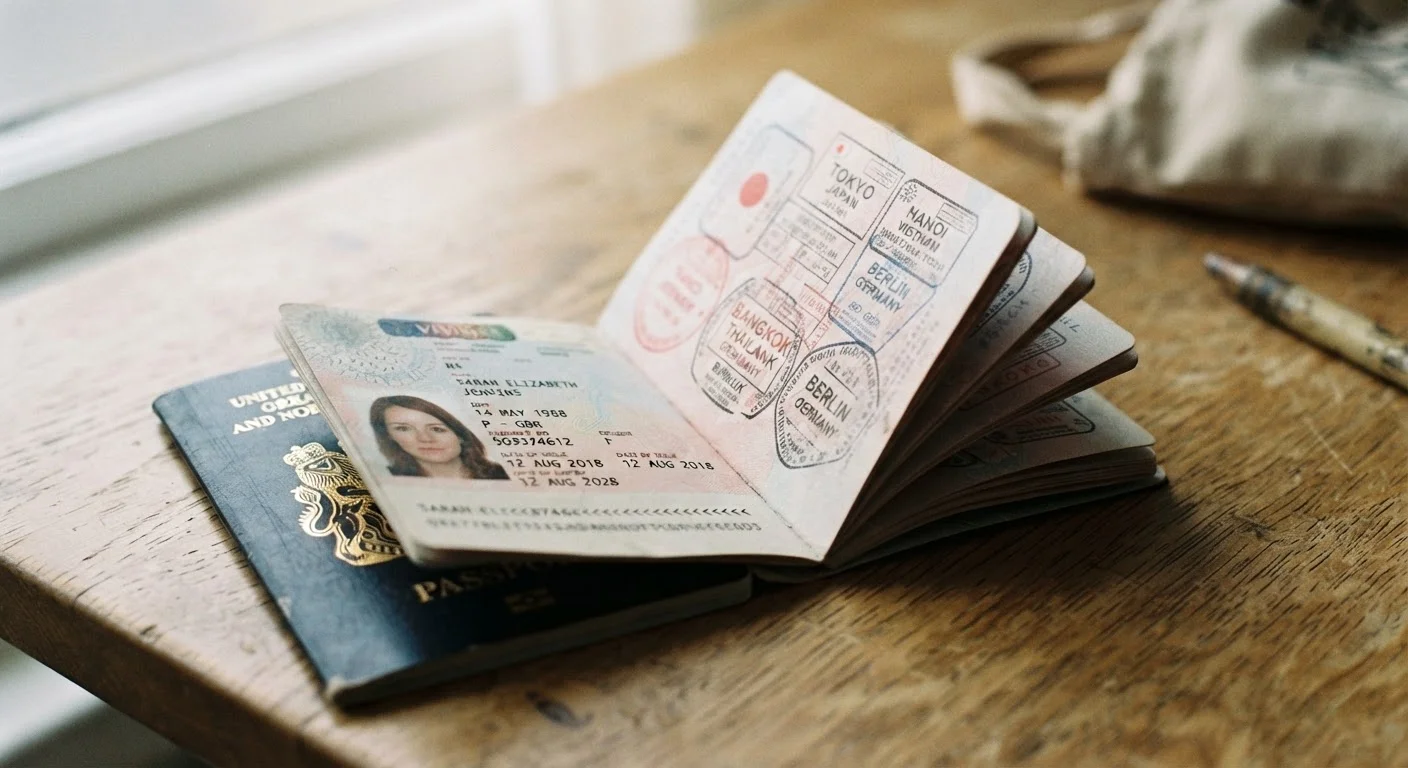
Why Passports Fail Travelers More Often Than You'd Expect
Most Americans think of a passport as a simple on/off switch: either you have one or you don't. But the rules governing whether your passport will actually get you through a foreign border are far more nuanced - and far less forgiving - than that assumption suggests.
Passport-related problems are among the most common and most preventable reasons travelers are denied boarding or turned away at entry points. Airlines can refuse to seat you, and immigration officers have full authority to send you home, regardless of how much you spent on your trip. The good news is that nearly every one of these situations is avoidable with a basic pre-trip review.
Before your next international trip, give your passport the same careful attention you'd give your flights and accommodations. Start with our pre-departure checklist for a broader look at what to confirm before you leave home.
Assuming a valid passport means an accepted passport.
Why it happens: Most travelers only think about whether their passport has expired - not whether it will be accepted by a specific country's entry rules.
Traveling with a damaged or deteriorating passport.
Why it happens: Wear and tear happens gradually, so travelers often don't notice that a passport has become borderline unacceptable - a bent cover, a water-stained page, or a delaminating photo page.
Running out of blank visa pages mid-trip or before entry.
Why it happens: Frequent travelers accumulate stamps quickly and don't realize how few blank pages remain until they're standing at an immigration counter.
Not checking visa requirements until after booking flights.
Why it happens: Travelers often research the fun parts of a destination - hotels, activities, food - and leave the administrative requirements as an afterthought.
Forgetting that children's passports expire sooner than adult passports.
Why it happens: Adult passports are valid for 10 years, which conditions travelers to think of passports as a long-term document. Children's passports issued in the U.S. expire after five years.
Relying on a name that doesn't exactly match your travel documents.
Why it happens: Legal name changes after marriage or divorce are sometimes updated on an ID but overlooked on a passport, or travelers book flights under a nickname.
What to Do Before You Book - Not Just Before You Fly
The critical mistake most travelers make is treating passport review as a last-minute task. By the time you're packing, it may already be too late to renew or add pages. Passport renewal through standard U.S. government processing can take many weeks; expedited service is faster but not instant, and availability can vary. Check current State Department processing times well before you finalize any travel dates.
5-7 weeks
Typical U.S. passport renewal processing time
The U.S. State Department publishes current processing time estimates online; routine processing has historically ranged from several weeks to a few months depending on application volume.
6 months
Minimum passport validity many countries require
Dozens of countries enforce a six-month validity rule beyond the traveler's planned return date, a requirement that catches many travelers off guard.
Entry requirements are equally time-sensitive. Visa rules, reciprocity fees, and entry conditions change based on diplomatic relationships, public health situations, and policy shifts. Never rely on a travel blog, a friend's experience, or information that's more than a few months old. Verify directly with the official embassy or consulate of your destination country, and cross-reference with the U.S. State Department's travel pages.
For a thorough breakdown of passport validity rules, visa categories, and where to find authoritative entry information, see our traveler's reference on passports and entry requirements. If you're planning your first international trip, our practical starting framework for first-time international travelers walks through the full picture, including documents, currency, and culture shock.
Always Verify Entry Rules Directly With Official Sources
Travel blogs, booking sites, and even airline staff can relay outdated entry information. Entry requirements - including visa rules, validity thresholds, and health documentation - are set by each country's government and can change with little public notice. Before every international trip, verify current requirements through the official embassy or consulate of your destination country and the U.S. State Department's travel information pages. Do not rely on secondhand accounts, no matter how recent.
A little calendar discipline goes a long way. Set a reminder six to nine months before any planned international travel to review your passport's expiration date, page count, and physical condition. That window gives you time to act without paying premium prices for rushed processing.
The content on this site is for informational purposes only and is not a substitute for professional advice. Always consult a qualified professional for guidance specific to your situation.