

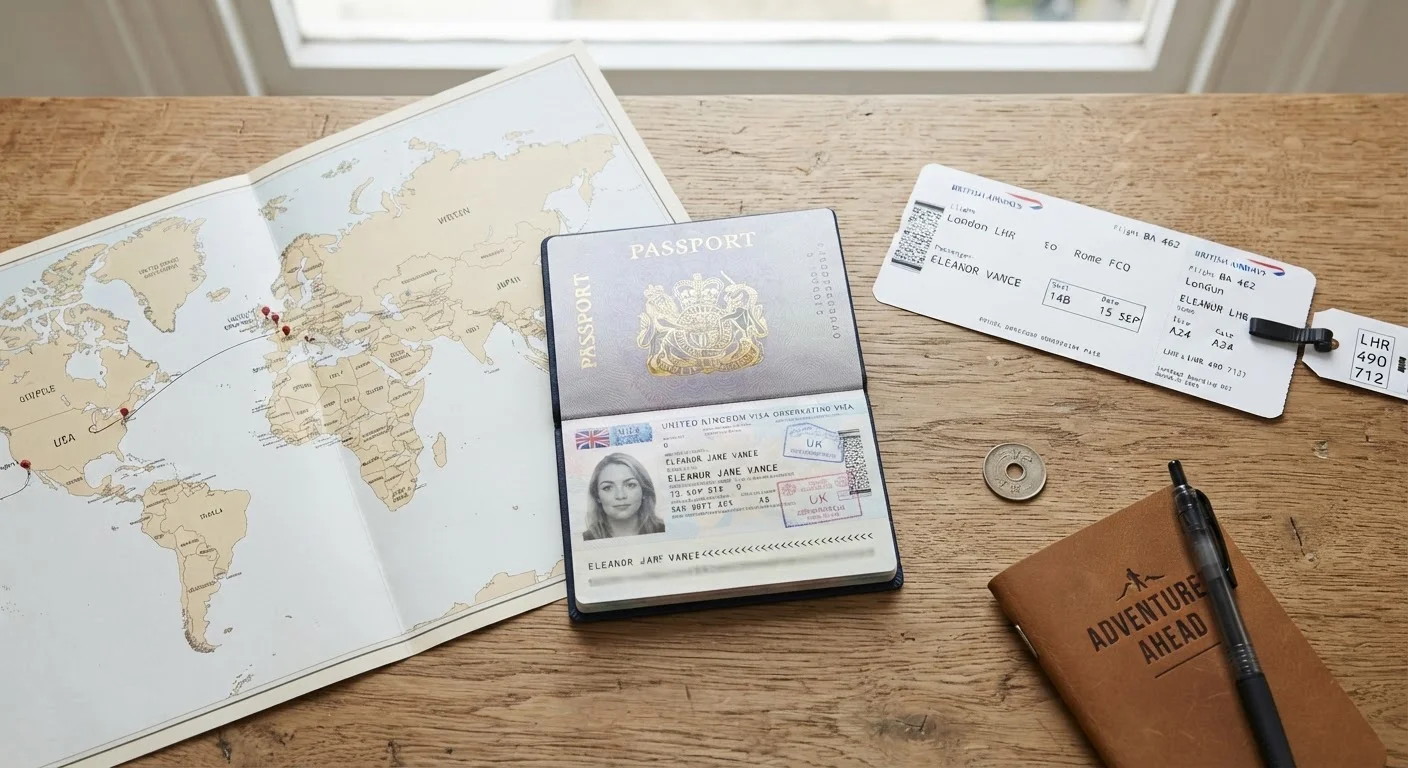
Passport Basics Every Traveler Should Know
A passport is the foundational document for international travel - it confirms your citizenship and identity at every border crossing. For American travelers, U.S. passports are issued by the Department of State and are valid for 10 years for adults and 5 years for minors under 16.
One detail many travelers overlook: most countries require that your passport remain valid for at least 6 months beyond your planned departure date. If your passport expires in 4 months, you may be denied boarding or entry even though the document is technically still valid. Always check the specific validity requirement for your destination before booking. See common passport pitfalls that catch travelers off guard.
Also check how many blank visa pages your passport contains. Some countries require at least two or four consecutive blank pages for entry or visa stamps. A nearly full passport can be a problem, even if it's not expired.
| U.S. Adult Passport Validity | 10 years (U.S. Department of State) |
| Minimum Validity Required by Many Countries | 6 months beyond travel dates (Varies by destination; verify with destination embassy) |
| U.S. Passport Minor Validity | 5 years (under age 16) (U.S. Department of State) |
| Visa-Free Access (U.S. Passport) | 186 countries and territories (Henley Passport Index, 2024) |
| ETA Application Method | Online, before departure (Required by countries including Canada, Australia, and others) |
| Primary Verification Source | travel.state.gov (U.S. travelers) (U.S. Department of State) |
Visa Categories: What Each Type Means
A visa is an official authorization - issued by a destination country - permitting you to enter for a specific purpose and duration. Not every trip requires one. The U.S. participates in many bilateral agreements that allow Americans to enter certain countries visa-free for short stays, typically up to 90 days for tourism.
Passport
A government-issued travel document that confirms the holder's identity and citizenship, required for crossing international borders.
Visa
An official endorsement or document issued by a destination country granting permission to enter for a defined purpose and time period.
Electronic Travel Authorization (ETA)
A pre-travel electronic entry permit required by some countries for visa-exempt travelers, applied for online before the trip begins.
Transit Visa
A visa required by certain countries when a traveler is passing through - even without formally entering - as a layover stop.
Visa on Arrival
A visa obtained directly at the port of entry rather than in advance through an embassy or consulate, typically requiring payment of a fee and specific documents.
Six-Month Passport Rule
A common requirement by many countries that a traveler's passport must remain valid for at least six months beyond their intended date of departure.
Here are the most common visa categories travelers encounter:
- Tourist/Visitor Visa: For leisure travel or short visits. Usually limited to 30-90 days and does not permit employment.
- Business Visa: Allows attendance at meetings, conferences, or negotiations - not paid local employment.
- Transit Visa: Required in some countries when passing through an international airport, even without leaving the terminal.
- Electronic Travel Authorization (ETA): A pre-travel electronic permit required by some countries (such as Canada or Australia) for visa-exempt travelers. Applied for online before departure.
- Visa on Arrival: Obtained at the port of entry rather than in advance, though fees and documentation are still required.
For a broader overview of what to prepare before departing, see this ground-up international travel guide.
Where to Verify Entry Requirements
Entry requirements change - sometimes with little notice. Political developments, public health situations, or bilateral policy shifts can alter visa rules quickly. Never rely solely on travel blogs, booking platforms, or word of mouth for entry requirements.
Official sources to consult:
- U.S. Department of State (travel.state.gov): Country-specific information pages covering visa requirements, safety advisories, and local laws for American passport holders.
- Destination country's embassy or consulate website: The authoritative source for that country's own entry rules, fees, and application procedures.
- IATA Travel Centre: Used by airlines to verify documentation; some public-facing tools are available to travelers.
Check requirements again within 2-4 weeks of departure, even if you verified them when booking. Build document checks into your broader pre-departure routine - the pre-trip checklist covers this alongside other critical travel confirmations.
Entry and visa information in this article is provided for general reference only. Rules vary by nationality and destination and can change at any time. Always verify current requirements with official government sources and the destination country's embassy before traveling.
The content on this site is for informational purposes only and is not a substitute for professional advice. Always consult a qualified professional for guidance specific to your situation.