

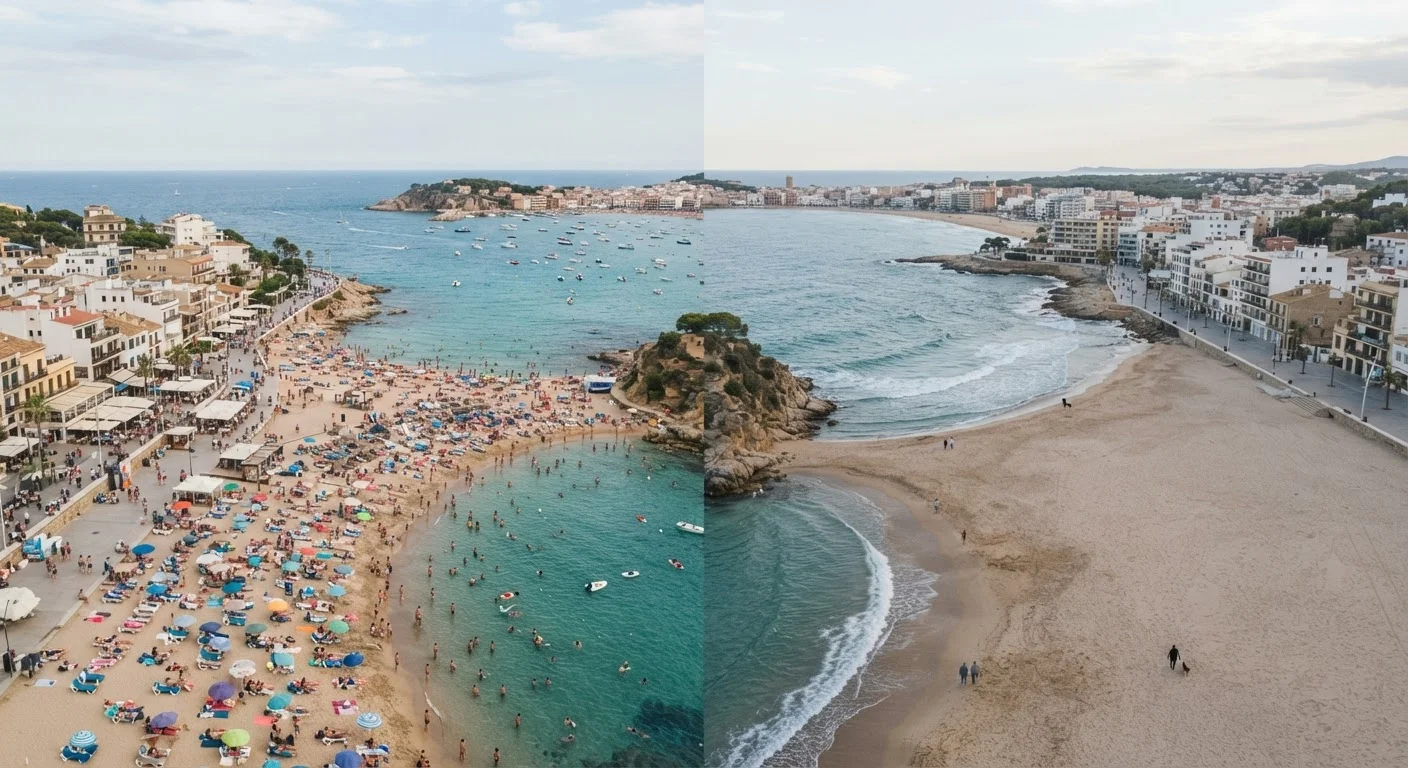
The Three Travel Seasons and What They Actually Mean
Most destinations operate on a recognizable cycle: a peak period of high demand, a slower off-season, and a shoulder period in between. These labels aren't arbitrary marketing terms - they reflect real shifts in visitor volume, service availability, and environmental conditions that tangibly change the experience of being somewhere.
Peak season typically aligns with the most favorable weather or major holidays. Think U.S. national parks in July, European cities in August, or tropical islands over winter break. Demand is highest, which means lodging fills quickly, popular attractions carry longer wait times, and pricing reflects that competition.
Off-season is the inverse: fewer visitors, reduced services, and conditions that may be less comfortable - storms, extreme heat, or facility closures. For some travelers, that quiet is exactly the point. For others, it introduces genuine inconveniences worth weighing carefully.
Shoulder season falls between the two. It's destination-specific - what counts as shoulder in one place may be peak in another - but it often represents the period when weather remains reasonable, crowds thin out, and pricing softens. For a deeper look at how this plays out at specific destinations, see what shoulder season actually means and how it varies by location.
3-4x
Typical visitor volume increase at peak vs. off-season
Studies of U.S. national park visitation data consistently show that peak summer months draw several times more visitors than the slowest winter months at many parks.
~30%
Average accommodation price difference, peak vs. shoulder season
Industry analyses of hotel pricing at popular leisure destinations frequently find shoulder season rates running 20-35% below peak-season averages, though this varies significantly by market.
What Timing Actually Changes for Travelers
Choosing a travel window doesn't just affect what you pay - it affects what you can do, what you see, and how the destination feels. These distinctions matter depending on your travel priorities.
Access and availability
Some activities are season-locked. Wildflower hikes, whale-watching excursions, and ski runs only exist during specific windows. Certain mountain roads, island ferry routes, or remote lodges close entirely outside peak months. Timing your trip outside those windows means those options simply aren't available, regardless of interest or budget.
Crowd dynamics
Overtourism is a growing concern at many popular destinations. Traveling outside peak windows can meaningfully reduce the density of visitors at iconic sites - making the experience more manageable and, often, more enjoyable. This is increasingly relevant at places facing strain from high visitor volumes. Understanding what overtourism means for a destination can help you make more informed timing choices.
Pricing patterns
While prices tend to track demand, the relationship isn't always linear. Airlines, hotels, and tour operators price dynamically, and savings in off-peak windows aren't guaranteed to be dramatic. Common assumptions about flight pricing are worth scrutinizing before making timing decisions based primarily on cost.
A traveler planning a trip to Yellowstone National Park schedules their visit for late September instead of July.
A couple books a Caribbean island trip in early May rather than over the winter holidays.
A solo traveler visits a major European city in November instead of August.
How to Factor Timing Into Your Planning Process
Timing decisions should be grounded in your specific priorities - weather tolerance, budget flexibility, the activities you've planned, and how you handle crowds. A traveler who wants unobstructed photography of a national park landmark has different needs than one who wants a lively social atmosphere at a beach resort.
Start by researching the destination's climate calendar rather than relying on generalized seasonal labels. Official tourism boards, national park services, and government travel advisories publish reliable historical data on temperature ranges, precipitation, and storm patterns by month. Always verify current entry requirements, visa rules, and any health or safety advisories through official government sources - these can change and are not reliably captured by third-party booking platforms.
Once you've identified a viable travel window, build your itinerary around what that season actually offers. A well-structured itinerary adapts to seasonal realities rather than assuming peak-season access when traveling off-peak. See how to build a trip itinerary that actually works for guidance on structuring a realistic plan. If your travel dates have some flexibility, understanding the difference between flexible and rigid itineraries can help you decide how much give your schedule should have.
For permit-required destinations or trips with narrow seasonal windows - many U.S. national parks fall into this category - early planning is essential. Some parks specifically reward that extra logistical effort. When to book what is covered in detail in the trip planning timeline.
Build a Seasonal Checklist Before You Book
Before committing to dates, verify three things specific to your destination: what the weather historically looks like that month, whether key attractions or routes operate during that period, and whether any local events will significantly affect crowds or prices. Official tourism board sites and national park reservation systems are reliable starting points. Never rely solely on a booking platform's seasonal descriptions - they may not reflect current conditions or closures.
Frequently Asked Questions
Peak season is the period when a destination draws the most visitors, typically driven by favorable weather, school holidays, or cultural events. It matters because demand directly affects pricing, availability, and the experience of being there - popular sites can feel overcrowded, and accommodations book up well in advance.
Shoulder season is often a practical compromise, but it depends on what you're after. Some destinations have unpredictable weather or reduced services in shoulder periods. Researching a specific destination's shoulder season conditions is important before assuming it's the right fit for your trip.
Generally, yes - but not universally. Some destinations maintain pricing year-round due to business travel or niche demand. Additionally, savings on lodging or flights may be offset if key attractions are closed or if you face conditions that require extra gear or contingency plans.
Start with official tourism board websites, which typically publish climate and visitor-volume guides. Travel advisories from the U.S. State Department and destination-specific park or attraction websites often include seasonal notes. Cross-reference multiple sources rather than relying on a single booking platform.
For popular destinations during high season, booking accommodations and key activities three to six months ahead is a reasonable baseline for many international trips - earlier for remote or permit-required destinations. See our <a href="/travel/trip-planning/the-trip-planning-timeline-what-to-book-and-when">trip planning timeline guide</a> for a structured breakdown.
Historical climate data is more useful than short-term forecasts for choosing a travel window. Tools like national meteorological agency archives and destination-specific climate guides show average rainfall, temperature ranges, and storm frequency by month - a more reliable planning basis than a two-week forecast.
The content on this site is for informational purposes only and is not a substitute for professional advice. Always consult a qualified professional for guidance specific to your situation.