

Our Verdict
A traditional grass lawn remains a practical choice for households with active outdoor lifestyles, children, or pets who genuinely use the space. However, the resource demands - water, fertilizer, mowing, and time - are real and compound over years. Homeowners in water-scarce regions or those seeking lower-maintenance yards have strong reasons to reduce or replace turf with thoughtful alternatives.
Best for homeowners with children or pets who actively use open lawn space and have reliable water access and time for regular upkeep.
Why the Lawn Question Matters More Than Ever
The American lawn covers an estimated 40 to 50 million acres nationwide - more land than any single irrigated crop. That scale makes the collective choices homeowners make about turf genuinely consequential, touching water supplies, local biodiversity, and household budgets. Whether you're reconsidering your existing lawn or designing an outdoor space from scratch, it helps to weigh the real trade-offs rather than defaulting to habit or trend.
If you're thinking about how your yard fits into a broader outdoor living plan, our guide on designing a backyard you'll actually use offers useful framing for thinking through zones and surfaces.
The Case For Keeping Lawn Grass
Turf grass earns its place in many yards for straightforward, practical reasons.
Durable, forgiving surface for play and recreation
Grass is resilient under foot traffic in a way few alternatives match. It cushions falls, recovers from moderate use, and provides a safe, natural surface for children and pets.
Relatively low upfront cost to establish
Seeding or sodding a lawn is typically less expensive per square foot than installing hardscaping, raised beds, or mature plantings, making it accessible for most homeowners.
Familiar, broadly accepted curb appeal
A tidy lawn signals maintenance effort and conforms to neighborhood norms in most American communities, which can matter for resale value and HOA compliance.
Cooling effect through natural transpiration
Turf grass releases moisture into the air as it grows, measurably lowering surface temperatures compared to paved or gravel alternatives, particularly in summer.
Erosion control on slopes and open soil
Dense grass root systems bind soil effectively, reducing runoff during heavy rain and protecting soil structure in yards with gentle to moderate grades.
A well-maintained lawn also has ecological contributions that are easy to overlook. Grass roots help hold topsoil in place, reducing erosion during heavy rain. Turf cools surrounding surfaces through transpiration - a meaningful benefit in hot climates where hardscaping can intensify heat. And for homeowners who apply lawn treatments carefully, our article on pesticides in the home garden explains how to interpret product labels and understand soil behavior.
The Case Against Traditional Turf
The same lawn that looks inviting on Saturday morning can represent a significant drain on resources the rest of the week.
High water consumption, especially in dry climates
Turf grass is among the thirstiest landscape choices. Lawns in arid and semi-arid states can require irrigation through most of the year to remain viable.
Regular mowing demands time and fuel
A typical suburban lawn requires mowing every one to two weeks during the growing season, consuming time, gasoline or electricity, and equipment maintenance costs.
Fertilizer and pesticide runoff risks
Nitrogen fertilizers and herbicides applied to lawns can leach into groundwater or run off into storm drains, contributing to water quality issues in local watersheds.
Low ecological value compared to native plantings
A monoculture turf lawn supports very few insects, birds, or soil organisms. Native plantings in the same space can support dramatically greater biodiversity.
Ongoing cost of inputs adds up over time
Seed, fertilizer, herbicide, irrigation, and equipment costs accumulate significantly over years, often exceeding what homeowners initially anticipate.
Susceptible to drought, disease, and pests
Grass can brown, thin, or die back quickly under drought stress, fungal disease, or grub infestations, requiring intervention or reseeding to recover.
~9 billion gallons
Daily US outdoor water use on landscaping
The EPA estimates that landscape irrigation accounts for nearly one-third of all residential water use in the United States, totaling approximately 9 billion gallons per day.
50%
Irrigation water lost to inefficiency
According to the EPA's WaterSense program, roughly half of outdoor irrigation water is wasted due to evaporation, wind, or overwatering - a figure that rises further with traditional sprinkler systems.
40-50M acres
Estimated US turf grass coverage
Researchers at NASA and various land-use institutes have estimated that turf grass covers between 40 and 50 million acres in the US, making it the country's most irrigated 'crop' by area.
Water use is the most cited drawback. Turf grass - especially non-native species like Kentucky bluegrass or Bermuda in dry climates - requires consistent irrigation to stay green. If you're looking for smarter ways to deliver that water, comparing drip irrigation vs. sprinkler systems can help reduce waste regardless of what you're growing.
Alternatives Worth Considering
Replacing all or part of a turf lawn doesn't mean sacrificing a usable yard. Several ground cover options perform well with far fewer inputs.
- Clover lawns: White clover stays low, tolerates foot traffic, fixes nitrogen naturally, and requires no fertilizer. It supports pollinators and stays green through mild droughts.
- Native grasses and meadow plantings: Buffalo grass in the Great Plains or fine fescue blends in cooler regions can thrive with minimal irrigation once established. Native wildflower meadows add color and support local insects.
- Hardscape with permeable materials: Gravel, decomposed granite, or permeable pavers can define outdoor living areas while allowing rainwater to filter into the ground. See our guide on raised beds vs. in-ground planting if you're redirecting lawn space toward food growing.
- Groundcover plants: Creeping thyme, moss, and native sedges can cover bare soil, require little mowing, and add visual texture.
Check Local Rules Before You Convert
Some homeowner associations (HOAs) and municipalities have restrictions on removing turf or installing certain ground covers. Before converting a lawn to native plantings, meadow grass, or hardscape, check your HOA covenants and local ordinances. Conversely, some water utilities and state programs offer rebates for turf removal - worth checking with your local water provider.
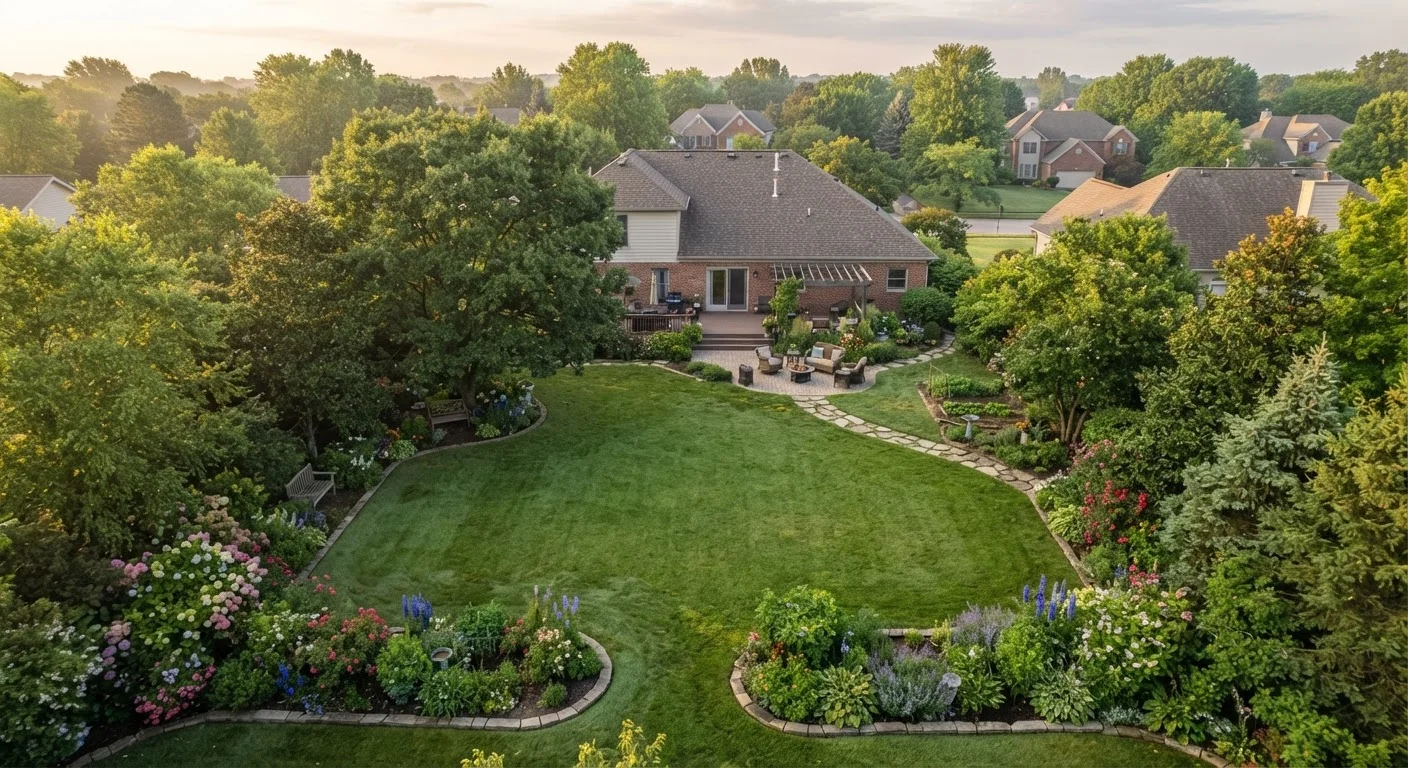
Many homeowners find a hybrid approach most practical - keeping a central turf zone for play and activity while converting borders and low-use corners to lower-maintenance plantings.
The content on this site is for informational purposes only and is not a substitute for professional advice. Always consult a qualified professional for guidance specific to your situation.