

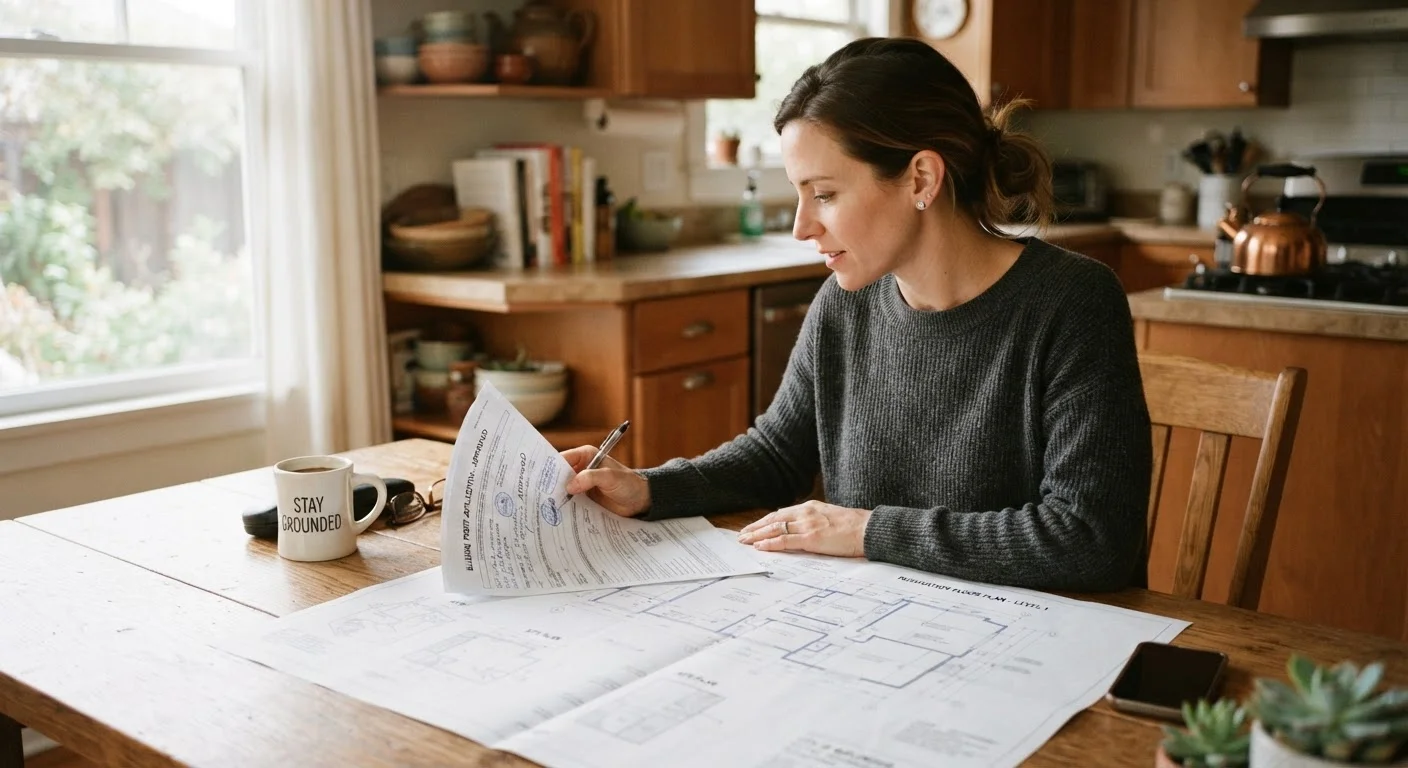
What a Permit Is Actually Doing
The word "permit" can make homeowners feel like they're asking permission from a bureaucrat, but that framing misses the point. A building permit is fundamentally a safety mechanism - it triggers a review process that confirms your renovation plans comply with local building codes before any work begins, and then inspects the actual work at critical stages.
Building codes themselves are based on decades of engineering research, fire safety data, and lessons learned from structural failures. When a permit is required for an electrical or framing project, it means an inspector - someone trained specifically to catch dangerous shortcuts - will verify the work before walls are closed up. That's a meaningful protection for you and anyone who lives in or buys your home in the future.
It's also worth understanding that permits create a record. That documentation can matter enormously during a home sale, insurance claim, or refinancing process. If you're curious how unpermitted work surfaces during real estate transactions, reading a home inspection report gives helpful context on what inspectors look for and flag.
Permits Protect Future Owners Too
When you permit and document your renovation work, you're also protecting whoever buys your home next. A clear permit history gives buyers confidence that improvements were done safely and to code. It's one of the less obvious ways responsible renovation adds lasting value to a property.
Which Projects Typically Require Permits
A common misconception is that permits are required for almost everything - or conversely, that they're rarely needed. The reality falls somewhere in between and depends heavily on your jurisdiction.
As a general rule, permits are typically required for:
- Structural work - removing or adding walls, especially load-bearing ones
- Electrical work - panel upgrades, new circuits, service changes
- Plumbing - adding or moving supply lines, drain lines, or fixtures
- HVAC - new system installation or significant ductwork changes
- Additions and decks - any expansion of livable or attached outdoor space
- Basement finishing - converting unfinished space to livable area
Projects like painting, replacing flooring, swapping fixtures for like-for-like equivalents, and installing cabinets typically do not require permits. If you're planning a basement project, the real scope of a basement finishing project outlines where permits typically come into play in that specific context.
~40%
Home additions built without required permits
Industry estimates suggest a significant share of home additions and conversions are completed without proper permitting, according to home inspection industry sources.
2-4 weeks
Typical permit review timeline for larger projects
Complex projects like additions or structural changes can take several weeks for plan review in many municipal building departments.
$500-$2,000+
Estimated retroactive permitting cost range
Bringing unpermitted work into compliance after the fact often costs significantly more than the original permit fee, due to inspection access and potential remediation requirements.
The Inspection Process: What It Covers and Why It Helps
Pulling a permit sets a series of inspections in motion, not just a one-time check. Depending on the project, you may have a rough-in inspection (before walls are closed), a framing inspection, and a final inspection once work is complete. Each stage confirms that what's been built matches the approved plans and meets code.
Inspections are often viewed as a burden, but they function as an independent quality check - one that runs parallel to (and independent of) your contractor's work. If an inspector flags a problem with wiring or framing, that's an issue caught before it's buried in drywall. For homeowners planning to open walls as part of a larger project, before you open up a wall, read this covers what you may find and why professional evaluation matters.
Keep copies of all permit approvals and inspection sign-offs. These documents are part of your home's history and can be useful proof of compliant work for future buyers, lenders, or insurers.
The Real Cost of Skipping Permits
Skipping a required permit can feel like a time-saver in the moment, but it tends to create larger problems downstream. The risks fall into a few clear categories:
- Resale complications
- Buyers and their agents routinely ask whether renovations were permitted. An unpermitted addition or finished basement can reduce perceived value, trigger renegotiation, or cause a deal to fall apart.
- Insurance gaps
- If unpermitted work contributes to a fire, flood, or structural problem, an insurer may dispute a claim on the grounds that the work wasn't properly inspected.
- Required remediation
- Local authorities can order unpermitted work to be removed or brought up to code at the homeowner's expense - often after the walls are already closed.
Open-concept renovations are a category where this risk is especially common, since they often involve structural changes that absolutely require permits. Open-concept conversions carry structural and system-level considerations that inspectors are specifically trained to evaluate.
The permit process may add a few days or weeks to a project timeline, but that time is worth it for the protection it provides. When you encounter renovation advice that downplays permits, treat that as a warning sign about the overall quality of the guidance. For a broader look at costly renovation misconceptions, home renovation myths that cost homeowners real money is worth a read before you plan your next project.
Frequently Asked Questions
Structural changes, electrical panel upgrades, plumbing rerouting, HVAC installation, deck construction, and additions almost always require permits. Interior cosmetic updates like painting, flooring, or cabinet replacement generally do not. When in doubt, contact your local building department before starting work.
Unpermitted work can trigger fines, forced removal of completed work, and complications when selling or refinancing. A home inspection report may flag unpermitted additions, which can reduce buyer confidence or affect appraisal value. In some cases, you may need to retroactively permit and re-inspect the work.
Either can pull the permit depending on local rules and the project type. In many jurisdictions, licensed contractors pull permits on behalf of clients. However, homeowners doing their own work (owner-builder projects) can often pull permits themselves, subject to local regulations.
Timelines range from a few days for simple projects to several weeks for complex structural work. Many jurisdictions offer online permitting portals that can speed up the process. Factor permit wait times into your renovation schedule from the start.
No - permit requirements are set at the local level and vary considerably by city, county, and state. Some rural areas have minimal requirements while urban jurisdictions may require permits for a wider range of work. Always verify requirements directly with your local building authority.
A permit and its associated inspections provide an important safety check, but they are not a guarantee of perfect workmanship. Inspectors verify that work meets code minimums at specific stages - they are not a substitute for hiring qualified, experienced contractors.
The content on this site is for informational purposes only and is not a substitute for professional advice. Always consult a qualified professional for guidance specific to your situation.