

Our Verdict
A home maintenance service plan can deliver real value through consistency, convenience, and early problem detection - but it's not a universal solution. Whether it pays off depends on your home's age, your schedule, and how carefully you vet the plan's terms and coverage.
Best for busy homeowners, first-time buyers unfamiliar with routine upkeep, or those with older homes whose systems require regular professional attention.
What a Home Maintenance Service Plan Actually Is
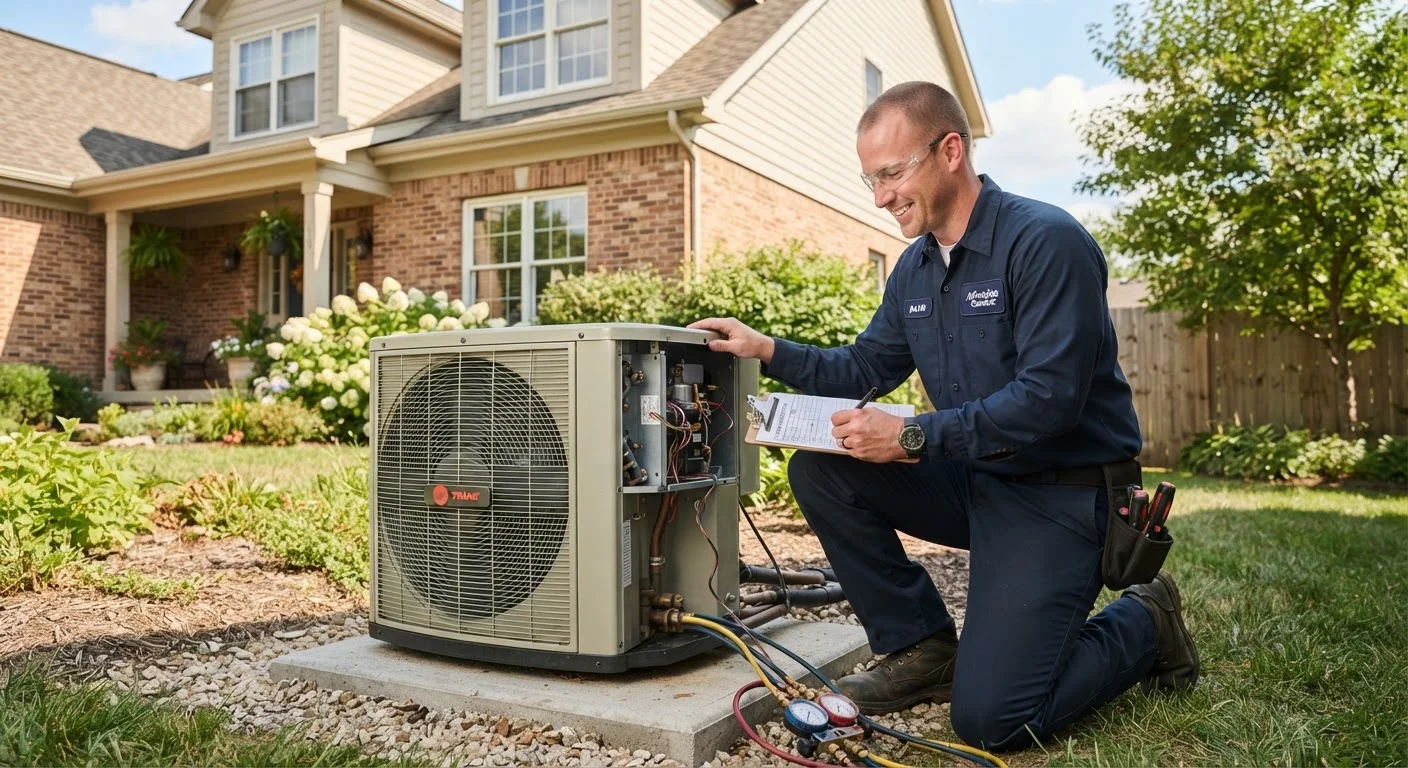
A home maintenance service plan is a contract - typically annual - with a company or contractor that commits to performing scheduled upkeep tasks on your home for a set fee. Think seasonal HVAC tune-ups, gutter cleaning, plumbing inspections, and roof checks bundled into one recurring arrangement.
These plans differ from home warranties, which cover repair or replacement costs when systems break down unexpectedly. Service plans are proactive: the goal is to catch problems early and keep systems running efficiently, not to respond after something fails.
Coverage varies considerably by provider. Some plans focus solely on HVAC. Others offer whole-home packages covering exterior, interior, and mechanical systems. Understanding exactly what's included - and what isn't - is the most important step before signing anything. See our guide to the hidden costs of deferred maintenance for context on what skipped upkeep can ultimately cost.
The Case For a Service Plan
For many homeowners, the strongest argument in favor of a service plan is consistency. Routine maintenance is easy to postpone, and postponed tasks compound into expensive repairs. A scheduled plan removes the mental load of tracking what needs attention and when.
Ensures routine maintenance actually happens on schedule
Scheduled visits create built-in accountability, reducing the likelihood that seasonal tasks get skipped or indefinitely postponed.
Early detection can prevent costly system failures
Regular professional inspections are more likely to catch minor issues - a worn belt, a slow drain, a cracked flashing - before they become major repairs.
Reduces the cognitive load of managing home upkeep
For busy households, outsourcing the scheduling and tracking of maintenance tasks frees up meaningful time and mental energy.
Predictable annual cost aids household budgeting
A fixed fee makes maintenance expenses easier to forecast, which can simplify overall household financial planning.
Valuable for older homes with complex systems
Homes with aging HVAC, plumbing, or roofing benefit more from consistent professional attention than newer properties still within warranty periods.
Older homes are a particularly good fit. Systems in a home that's 20 or more years old benefit from the kind of regular professional attention that catches wear before it becomes failure. Landlords managing rental properties may also find plans valuable - structured upkeep supports tenant satisfaction and protects property value, as explored in our article on handling home maintenance when you rent out your property.
The Case Against a Service Plan
Service plans are not automatically cost-effective. A homeowner who is organized, reasonably handy, and disciplined about scheduling their own contractors may pay more for a plan than the work is worth. For newer homes with systems still under manufacturer warranty, structured service contracts can overlap with existing coverage.
May cost more than booking services independently
Organized homeowners who schedule their own contractors often find they pay less annually than the bundled plan fee, especially in newer homes with fewer needs.
Contract terms can limit flexibility and value
Cancellation fees, multi-year lock-ins, and narrow exclusions can make it difficult to exit a plan that isn't delivering expected value.
Coverage gaps may leave key tasks unaddressed
Not all plans cover every system; a plan focused on HVAC alone, for example, leaves plumbing, roofing, and exterior maintenance unaddressed.
Provider quality varies significantly
The plan's value depends entirely on the contractor's reliability, licensing, and responsiveness - factors that are difficult to assess until you're already committed.
Overlaps with manufacturer warranties on newer homes
For recently built or recently renovated homes, many systems are already covered under manufacturer or builder warranties, making a service plan redundant for that period.
Contract terms deserve close scrutiny. Some plans include cancellation penalties, require multi-year commitments, or contain exclusions that limit coverage to only the most basic tasks. Response time guarantees - or the absence of them - matter too. A plan that schedules your HVAC inspection in November rather than September may miss the window when it's most useful.
For disciplined homeowners, a home maintenance fund paired with a personal task calendar can deliver similar results at a lower total cost.
How to Evaluate Whether a Plan Makes Sense for You
Before committing, work through a few practical questions. How old are your major systems - HVAC, water heater, roof? Older systems benefit more from regular attention. How much time do you realistically spend tracking and scheduling home upkeep? If the honest answer is very little, structured accountability has real value.
Check What 'Included' Really Means
Service plan agreements vary widely in what counts as a covered visit. Some plans include parts and labor; others cover only the inspection itself and charge separately for any work performed. Always request a full written list of covered services, exclusions, and any additional fees before signing. If a provider is vague about specifics, that's a meaningful signal about how the plan will function in practice.
Next, price out what the plan covers independently. Get quotes for each included service as if you were hiring individually, then compare that total to the plan's annual fee. Factor in any service call fees the plan waives that you'd otherwise pay out of pocket.
Finally, research the provider's track record - licensing, insurance, and reviews from existing customers. A plan is only as reliable as the contractor behind it. Our annual home maintenance calendar can help you map what tasks your home actually needs each year, giving you a baseline to measure any plan against.
For tasks that fall outside a service plan's scope, understanding when to DIY versus hire a professional is equally important.
1-3%
of home value recommended annually for maintenance
A commonly cited rule of thumb among housing and financial planning sources suggests setting aside 1-3% of a home's value per year for upkeep and repairs.
~$6,000
average annual homeowner maintenance spend
The American Housing Survey has historically indicated that homeowners spend several thousand dollars per year on routine maintenance and repairs, though amounts vary by region and home age.
The content on this site is for informational purposes only and is not a substitute for professional advice. Always consult a qualified professional for guidance specific to your situation.