

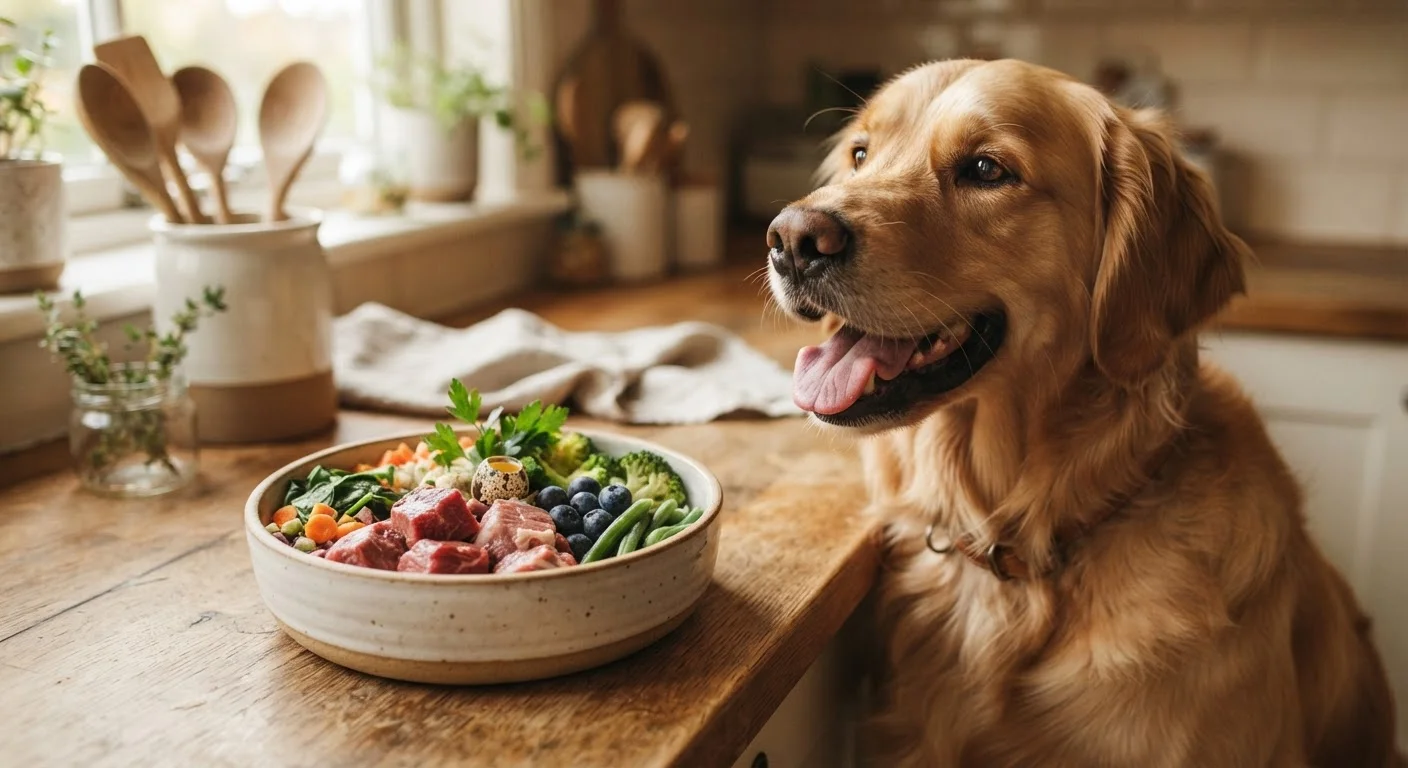
Why Raw Feeding Is Such a Heated Topic
Few conversations in pet care generate more passion than what goes into your animal's bowl. Advocates of raw food diets - often called BARF (Biologically Appropriate Raw Food) diets - describe transformative results: shinier coats, cleaner teeth, better digestion, and boundless energy. Critics, including many veterinary organizations, point to documented safety and nutritional risks. Both sides often speak with great certainty, which makes it genuinely hard for everyday pet owners to find solid footing.
This article doesn't take a side. Instead, it examines the most common claims circulating in raw-feeding communities and puts them alongside what peer-reviewed veterinary science currently supports. If you're considering a dietary change for your pet, this context can help you have a more productive conversation with your veterinarian. For broader guidance on reading what's actually in your pet's food, see our guide to pet food label terms.
Myth
Dogs and cats are biologically built to eat raw meat, so raw diets are automatically healthier and more natural for them.
Fact
Domestic pets have diverged genetically from their wild ancestors in ways that affect digestion, and 'natural' does not automatically mean safer or more nutritious.
It's true that dogs evolved from wolves and cats are obligate carnivores - but domestication has brought real physiological changes. Research has shown that dogs, for instance, developed additional copies of genes involved in starch digestion compared to wolves, suggesting adaptation to omnivorous diets over thousands of years alongside humans. More importantly, wild animals also experience high rates of illness, parasites, and shortened lifespans. 'Natural' is not a synonym for optimal or safe.
Myth
Raw diets have been scientifically proven to produce shinier coats, better digestion, and improved energy levels.
Fact
Anecdotal reports are common, but rigorous controlled studies confirming these benefits over balanced commercial diets are limited.
Many pet owners sincerely report improvements after switching to raw feeding, and individual animals can respond differently to dietary changes. However, the veterinary nutrition community notes that high-quality observational reports are not the same as controlled clinical evidence. Variables such as the pet's previous diet quality, age, and underlying health conditions complicate direct comparisons. Peer-reviewed evidence supporting raw diets as systematically superior to nutritionally complete commercial food remains sparse as of current literature reviews.
Myth
Freezing raw meat kills all harmful bacteria and parasites, making it safe to feed.
Fact
Freezing reduces but does not eliminate all pathogens, and some parasites require specific time-temperature combinations that home freezers may not achieve.
Freezing is a useful pathogen-reduction step, but it is not sterilization. Bacteria such as Salmonella, Listeria, and Campylobacter can survive freezing and remain viable when thawed. The USDA's guidelines for killing parasites like Toxoplasma require holding meat at specific temperatures for defined periods - conditions that typical home freezers and handling practices don't reliably replicate. Studies testing commercially prepared raw pet foods have found contamination with these organisms even in products that had been frozen.
Myth
Raw bones are completely safe and naturally clean a pet's teeth better than any other method.
Fact
Raw bones carry risks of fractured teeth, gastrointestinal obstruction, and internal perforation, and evidence on dental benefit is mixed.
Proponents of raw feeding often cite dental health as one of its strongest advantages. Chewing does play a role in mechanical plaque removal, and some veterinary dentists acknowledge this partial benefit. However, hard bones - raw or cooked - are among the leading causes of slab fractures of the carnassial teeth in dogs, a painful and costly condition. Bone fragments can also lodge in or perforate the esophagus, stomach, or intestines. Veterinary dental guidelines recommend discussing tooth-cleaning strategies with your vet rather than relying on bones as a primary dental care tool.
Myth
Commercial pet foods are so heavily processed they provide little real nutrition.
Fact
Regulated commercial pet foods formulated to established nutritional standards can fully meet a pet's dietary needs.
Pet food sold in the United States labeled as 'complete and balanced' must meet nutritional profiles established by the Association of American Feed Control Officials (AAFCO). While processing does alter some nutrient properties, manufacturers account for this in formulation. The claim that processing renders food nutritionally empty is not supported by veterinary nutrition science. Quality varies widely among commercial products, so learning to read labels critically is worthwhile - something our pet food labeling guide covers in detail.
What Pet Owners Should Weigh Before Deciding
Even if you find the philosophy of raw feeding compelling, there are practical realities worth considering beyond the myths and facts above.
Raw Diets and Vulnerable Household Members
If anyone in your home is immunocompromised, pregnant, very young, or elderly, the food-safety risks associated with raw pet food handling deserve serious attention. Pathogens shed in a pet's saliva and feces after eating raw meat can persist in the home environment. Both the CDC and major veterinary organizations advise extra caution - or avoidance of raw feeding - in these circumstances. Speak with both your physician and your veterinarian before making a decision.
Household safety matters. Zoonotic pathogens - bacteria that can transfer from animals to people - are a real concern with raw meat handling. Immunocompromised individuals, young children, and elderly family members face higher risk. The American Veterinary Medical Association and the Centers for Disease Control and Prevention have both flagged this concern based on documented cases.
Formulation is genuinely complex. Achieving complete and balanced nutrition for a dog or cat requires careful calculation of macro- and micronutrients. Research published in veterinary nutrition journals has found that the majority of homemade raw diet recipes available online - even those authored by veterinarians - fail to meet established nutritional standards. Working with a board-certified veterinary nutritionist significantly reduces this risk.
Feeding frequency and meal structure also influence health outcomes. If you're rethinking your pet's overall routine, understanding free-feeding versus scheduled meals is a useful companion read. And if you've heard that raw meaty bones automatically guarantee dental health, our article on dental care in dogs and cats offers a more complete picture.
This article is for general informational purposes only and does not constitute veterinary or medical advice. Always consult a qualified veterinarian before making significant changes to your pet's diet.
The content on this site is for informational purposes only and is not a substitute for professional advice. Always consult a qualified professional for guidance specific to your situation.