

Our Verdict
Costa Rica excels as a nature-based destination and consistently delivers for travelers who come prepared for rugged logistics, variable weather, and wildlife-first experiences. It is not well-suited to travelers seeking a polished urban escape, luxury shopping, or easy city-hopping. The honest framing is this: it rewards patience, planning, and genuine curiosity about the natural world.
Best for travelers who prioritize ecological diversity, outdoor activities, and immersive rural or coastal environments over urban conveniences.
What Costa Rica Actually Offers
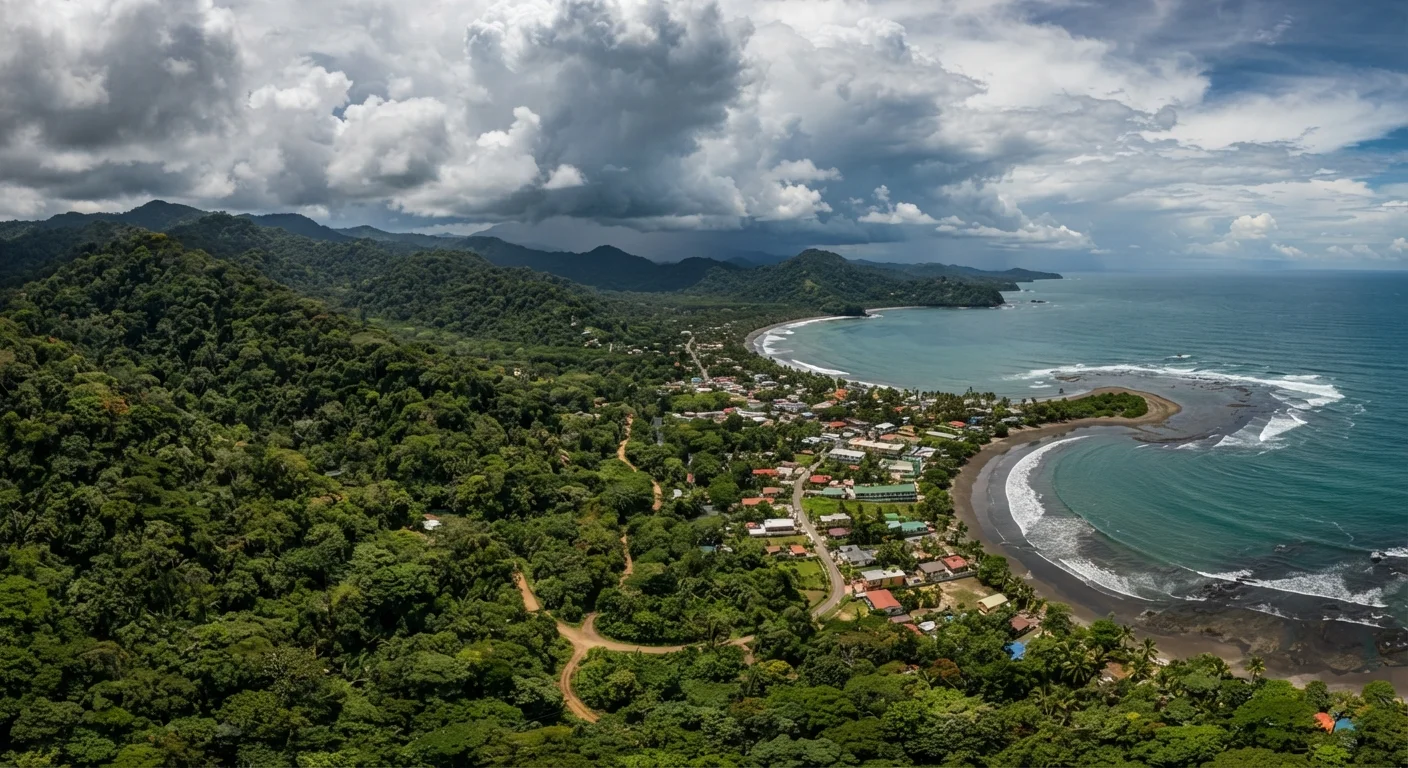
Costa Rica is frequently marketed as a do-everything destination, but its genuine strengths are concentrated in one area: nature. The country contains roughly 5% of the world's biodiversity within its borders - a fact that draws ecologists, wildlife photographers, and outdoor travelers from across the globe. Rainforests, cloud forests, active volcanoes, Pacific and Caribbean coastlines, and an extensive national park system are the country's defining features.
What it does not offer, at least not in any significant way, is a classic city-break experience. San José, the capital, is the country's largest urban center, but it functions primarily as an arrival hub. Most visitors fly in, spend a night at most, and then head toward Arenal, Manuel Antonio, the Osa Peninsula, Monteverde, or another nature-forward region. The city has museums, local restaurants, and neighborhoods worth a half-day stroll, but it lacks the walkable historic grandeur or concentrated cultural district that defines cities built for urban tourism.
Understanding this distinction before you book will shape every decision that follows - from how many days to allocate to each zone, to what kind of accommodation makes sense. For a framework on structuring that planning, see our guide to building a trip itinerary that actually works.
The Real Pros of a Costa Rica Nature Trip
For travelers aligned with what the country does best, the upsides are substantial.
Exceptional biodiversity in a compact geography
Travelers can experience rainforest, cloud forest, and coastline within a relatively small country, making varied ecosystems accessible without transcontinental distances between them.
Established ecotourism infrastructure
National parks, guided tour networks, and wildlife lodges are well-developed by regional standards, reducing the logistical burden of independent nature travel.
High probability of genuine wildlife encounters
In zones like Tortuguero, Corcovado, and Arenal, sightings of iconic species - sloths, toucans, sea turtles - are common rather than exceptional for attentive visitors.
Politically stable with strong tourism infrastructure
Costa Rica has a long track record of political stability and a well-established tourism economy, which reduces many logistical uncertainties travelers face in newer destinations.
No dry season crowds in rainy season
Traveling between May and November brings significantly fewer tourists at major sites, lower accommodation prices, and a more local atmosphere in popular areas.
~5%
Share of world's biodiversity in Costa Rica
Costa Rica covers just 0.03% of Earth's surface yet is home to an estimated 5% of the planet's total biodiversity, according to the Costa Rican Tourism Board.
25%+
Land protected as national parks or reserves
More than a quarter of Costa Rica's territory is protected under national parks, wildlife refuges, and biological reserves, among the highest proportions in the world.
The national park infrastructure is well-established by regional standards, with ranger stations, marked trails, and guided tour operations across major parks. Wildlife sightings - sloths, scarlet macaws, howler monkeys, sea turtles - are genuinely common in the right zones, not aspirational. The tourism industry has also developed around sustainability, meaning many lodges and tour operators make environmental practices a core part of their offering, though travelers should verify specific claims independently.
Honest Drawbacks to Weigh Before You Go
No destination is without trade-offs, and Costa Rica has several that travel content frequently glosses over.
No compelling urban city-break destination
San José lacks the walkable historic core, concentrated cultural districts, or landmark density that makes a city worth anchoring a trip around. Urban-focused travelers will likely feel underserved.
Travel times are routinely underestimated
Mountainous terrain and unpaved secondary roads mean that distances on a map translate poorly into actual journey times, often doubling or tripling expected drive durations.
Cost of travel has risen noticeably
Costa Rica is no longer an inexpensive destination by Central American standards; accommodation, guided tours, and domestic transport have risen in price as the tourism market has matured.
Rainy season significantly affects some activities
Afternoon downpours during the May-November wet season can close trails, limit wildlife viewing windows, and make some roads impassable, requiring flexible itinerary planning.
Popular zones can feel heavily touristed
Areas like Manuel Antonio and La Fortuna attract large volumes of visitors in dry season, and the corresponding density of tour operators and souvenir shops can undercut the wilderness atmosphere.
Road quality varies significantly outside major routes, and transfer times between regions are routinely underestimated. What appears to be a two-hour drive on a map can take four or more hours on unpaved or mountain roads. Rainy season (roughly May through November) brings heavy afternoon downpours that can affect hiking, road access, and wildlife viewing, though it also brings lower prices and fewer crowds. Travelers should verify current road, weather, and entry conditions with official sources before finalizing any itinerary.
If you're weighing how much structure to build into your trip, the contrast between a loose and a fixed schedule matters here more than in most destinations - our piece on flexible versus rigid travel itineraries explores that trade-off directly.
Matching Your Travel Style to the Destination
The single most common source of disappointment in Costa Rica is a mismatch between expectation and format. Travelers who arrive expecting a relaxed resort-and-nightlife trip can find the logistics exhausting. Those who arrive ready for early morning wildlife walks, muddy trails, and variable connectivity tend to leave deeply satisfied.
Connectivity and Expectations in Rural Areas
Many of Costa Rica's most rewarding lodges and nature stations sit in areas with limited or no mobile data coverage. Power outages during heavy rain are also common in rural zones. Travelers who factor this into their expectations - rather than being caught off guard - generally adapt quickly and often cite the disconnection as a highlight. Download offline maps, park information, and any essential documents before leaving urban areas.
If you're traveling independently, the country rewards flexibility - rural lodges sometimes have availability that chain booking platforms don't reflect, and local guides offer context that self-guided hiking cannot. For a comparison of independent versus organized group formats, see our article on solo travel versus group tours. Some travelers also find that slowing down - spending four or five nights in a single region rather than hopping between three zones - leads to richer experiences; our piece on slow travel examines why.
Whatever format you choose, lodging decisions are especially consequential in Costa Rica, where location relative to parks and transport routes has an outsized impact on your experience. Before booking, consult our practical guide to evaluating accommodation to avoid common pitfalls.
The content on this site is for informational purposes only and is not a substitute for professional advice. Always consult a qualified professional for guidance specific to your situation.