

Our Verdict
Slow travel offers genuine advantages in depth, cost efficiency, and well-being for those who can commit to it. However, it demands flexibility in time and temperament that not every traveler has. Weighed honestly, it is a strong approach for some trips and some travelers, not a universal upgrade.
Slow travel is best suited to travelers with flexible schedules, an interest in cultural immersion, and a willingness to trade variety for depth.
What Slow Travel Actually Means
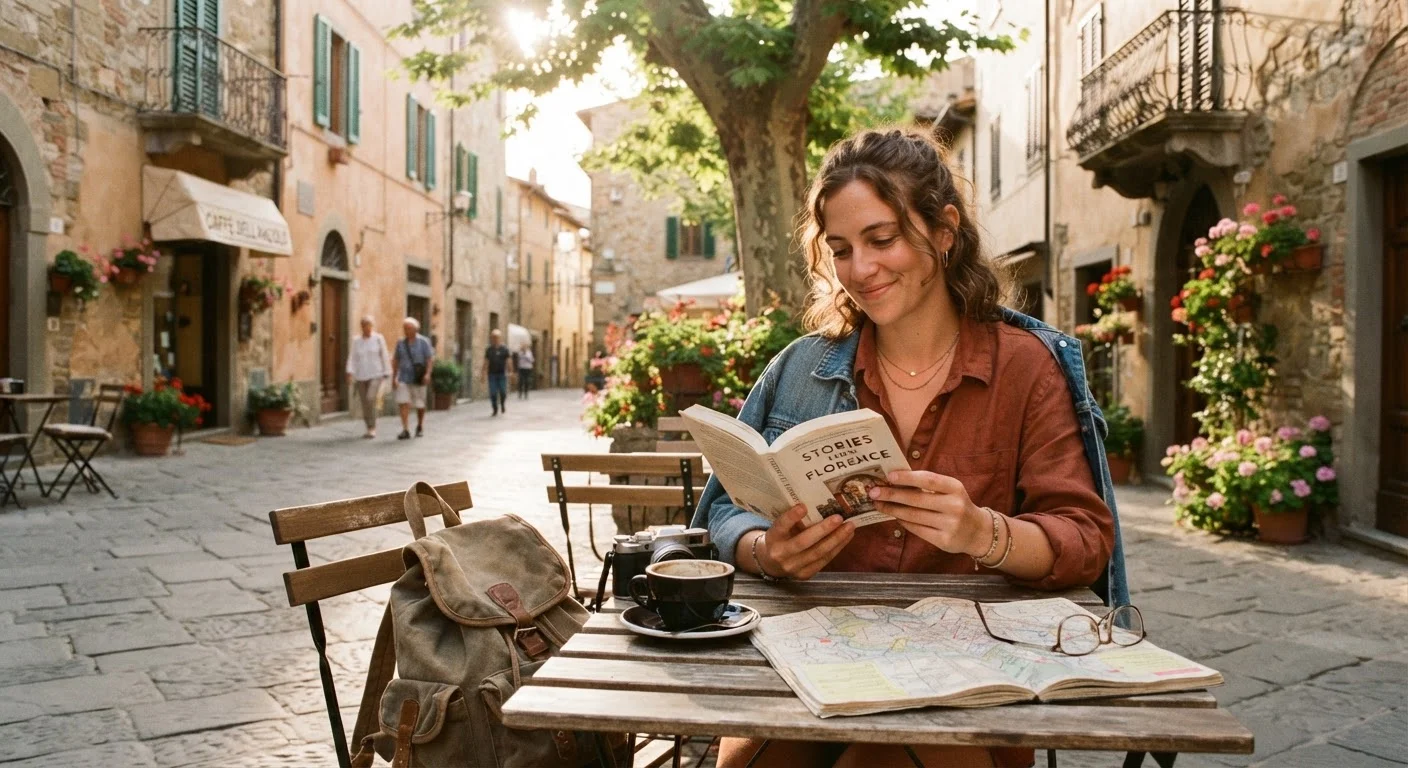
Slow travel is not a fixed definition so much as a philosophy: spend more time in fewer places. Instead of cycling through five cities in ten days, a slow traveler might spend an entire week or more in a single neighborhood, town, or region. The goal is to move through a destination at a pace that allows for genuine engagement - with local routines, food markets, language, and community - rather than ticking off landmarks.
The concept has been around for decades, but it gained particular traction as travelers began pushing back against the pressure of overpacked itineraries. It pairs naturally with strategies like building a structured but spacious itinerary, where rest, flexibility, and serendipity are built in rather than squeezed out.
Slow travel doesn't mean doing nothing. It means doing things differently - shopping at the local grocery store, attending a neighborhood event, or finding a favorite café and returning to it. The shift is from tourism to temporary residency.
The Advantages of Slowing Down
Slow travel carries real, documented benefits - not just philosophical ones.
Lower daily accommodation costs with longer stays
Weekly or monthly rental rates - particularly on apartment-style platforms - are consistently lower per night than nightly hotel bookings. Staying longer in one place can meaningfully reduce your overall lodging spend.
Deeper cultural understanding and local connection
Spending a week or more in a neighborhood allows travelers to build familiarity with local rhythms, businesses, and people in ways that short stays simply don't allow.
Reduced physical travel fatigue
Eliminating frequent transit - trains, flights, bus transfers - cuts both the cost and the exhaustion of constant movement, leaving more energy for actual experiences.
Access to experiences tourists typically miss
Extended stays surface local recommendations, off-the-beaten-path spots, and informal community events that don't appear in standard travel guides or short itineraries.
Environmentally lower carbon footprint per trip
Fewer flights and transit legs per trip generally mean a lower carbon output compared to fast-paced multi-city itineraries covering the same geographic spread.
10-15 days
Typical U.S. worker annual paid leave
According to the U.S. Bureau of Labor Statistics, most full-time private-sector employees in the United States receive between ten and fifteen days of paid vacation annually, which directly shapes how feasible slow travel is.
30-50%
Potential savings on weekly vs. nightly accommodation
Short-term rental markets commonly reflect weekly rates that are roughly 30 to 50 percent lower per night than nightly booking rates, though this varies significantly by destination and season.
Beyond cost, slow travel reduces the physical and mental strain of constant movement. Packing and unpacking every two nights, navigating new transit systems repeatedly, and adjusting to new surroundings takes a cumulative toll that most itinerary planners underestimate. Longer stays eliminate much of this friction.
There's also a quality-of-experience argument. Travelers who spend a week in one place tend to surface recommendations and experiences that a two-night visitor would never encounter. This connects to the broader point about flexible versus rigid travel schedules - the more breathing room you build in, the more room there is for authentic discovery.
The Drawbacks Worth Considering
Slow travel is not the right choice for every traveler or every trip. Its limitations are real and should factor into your planning.
Requires significant time - not practical for short leave
The benefits of slow travel scale with duration. Travelers with only one or two weeks off annually may find a slow approach means missing large portions of a destination.
May mean missing iconic or widely dispersed sights
Committing to one region often means foregoing experiences in other parts of the same country, which can feel like a loss on a first-time visit to a large or diverse destination.
Can feel isolating without a compatible travel partner
Slow travel's pace depends on finding rhythm in a place. Without shared interests or a similar pace preference, it can generate frustration within a travel group.
Advance planning is still required - spontaneity has limits
Longer accommodation stays require earlier booking, particularly in popular destinations, limiting true spontaneity and locking in decisions weeks or months ahead.
Not every destination rewards slow travel equally
A compact city with limited neighbourhoods or a resort town with a narrow activity range may not offer enough variety to sustain a week-long stay meaningfully.
Perhaps the most significant constraint is time. Most American workers have limited paid leave - typically ten to fifteen days annually - which makes spending a full week in one location a significant commitment. For a first trip to a country with many distinct regions, slow travel can mean missing large portions of a destination entirely.
There's also the question of travel style. Some people find deep engagement energizing; others find it isolating or monotonous. Slow travel pairs well with solo trips or travel with a close companion, but can create friction within groups with differing interests. The comparison with solo travel versus group tours is instructive: the slower your pace, the more important it is that your travel companions share your rhythm.
How to Apply Slow Travel Principles Practically
You don't have to choose between zero stops and fifty. Most travelers can incorporate slow travel principles at a partial scale - for example, choosing two or three anchor locations for a two-week trip rather than a new city every night.
Slow Travel Doesn't Mean No Structure
A common misconception is that slow travel is entirely unplanned. In practice, the most satisfying slow trips involve an anchor plan: a home base, a loose weekly rhythm, and a handful of known priorities. Complete absence of structure can lead to wasted days and a sense that the trip didn't cohere. Think of it as planned flexibility rather than improvisation.
Timing also matters. Slow travel in a destination during shoulder or off-season often yields lower accommodation costs and fewer crowds, which reinforces the immersive experience you're seeking. Understanding how season affects conditions is worth researching; see how seasonal timing changes your experience before committing to a destination and pace.
Packing is another practical consideration. Longer stays in one place mean access to laundry facilities, which opens the door to traveling lighter. If slow travel appeals to you, it pairs naturally with one-bag travel strategies that reduce the cost and hassle of checked luggage.
Ultimately, slow travel is a tool - one that works well when matched to the right trip, the right destination, and the right traveler. Approach it as a deliberate choice rather than a trend, and it can substantially change what you bring home from a trip.
The content on this site is for informational purposes only and is not a substitute for professional advice. Always consult a qualified professional for guidance specific to your situation.