

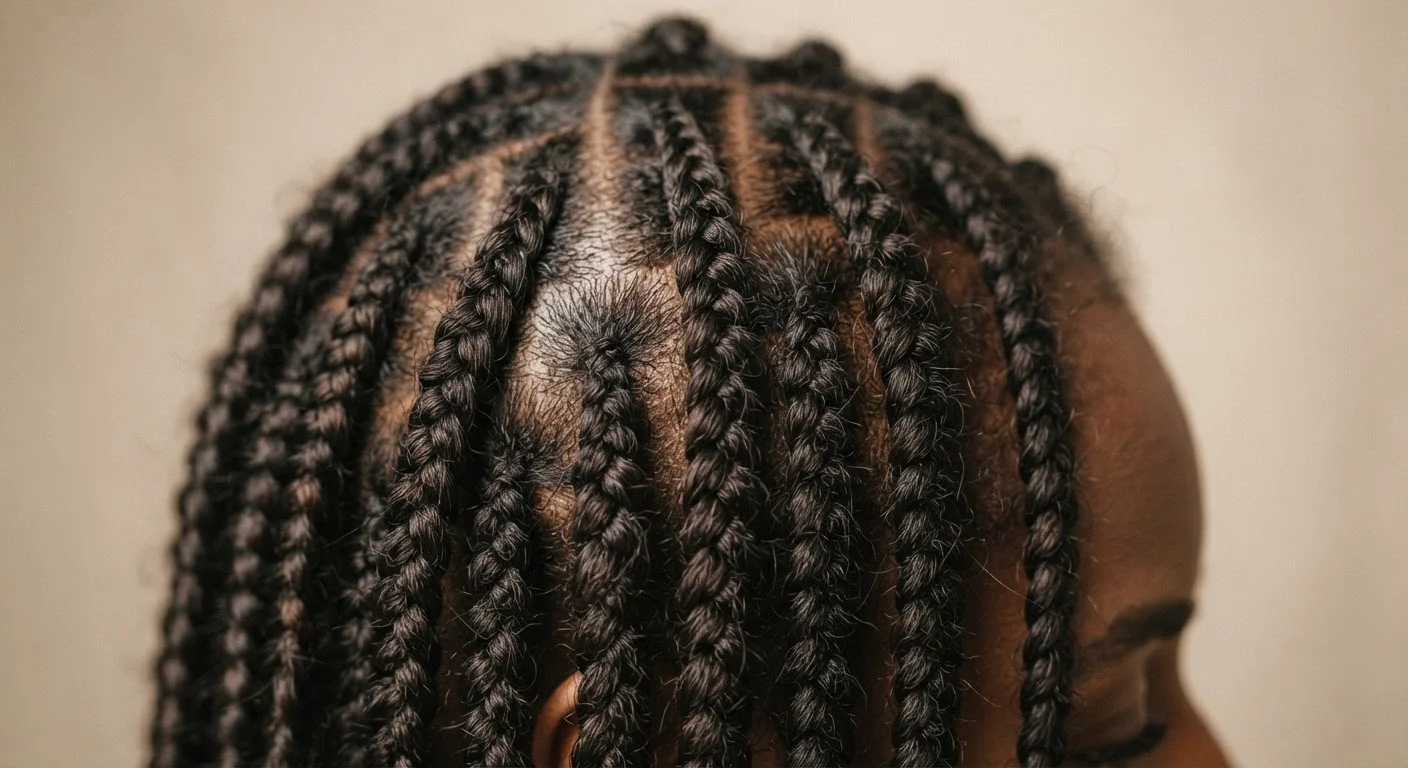
The Core Idea: What Makes a Style 'Protective'
The term "protective style" gets used a lot in hair care circles, but its meaning is often oversimplified. A style earns this label when it keeps the most fragile part of your hair - the ends - tucked away and unexposed to daily hazards. Hair ends are the oldest, most weathered part of each strand. They've endured every wash, brush stroke, and weather shift since that strand grew in, making them the most vulnerable to splitting and breakage.
Beyond protecting ends, these styles also reduce how often your hands, combs, and accessories interact with your hair. This concept, called low manipulation, is just as important as end protection. The less you disturb the hair shaft, the less friction accumulates on the cuticle. Over days and weeks, that reduction in stress adds up to meaningful improvements in hair integrity.
It's worth noting that the word "protective" doesn't make a style automatically safe. A braid installed with excessive tension, or worn for months without care, can cause damage that a regular loose style would not. The protective benefit depends entirely on how the style is put in and maintained. Everyday grooming habits that seem harmless can sometimes undermine even the best styling intentions.
Common Protective Styles and How They Differ
Protective styles span a wide range, from simple everyday options to more elaborate installations. Understanding the differences helps you choose what's appropriate for your hair type, lifestyle, and commitment level.
- Box braids and individual braids: Sections of hair braided from the root and sometimes extended with added hair. They offer strong end protection and can last several weeks with proper care.
- Twists (two-strand and flat twists): Gentler on the hair than braids, twists use two sections of hair wrapped around each other. They're easier to take down and cause less tension at the root.
- Cornrows: Braids that lie flat against the scalp in rows. Great for low-manipulation wear, though tightness at the hairline is a common concern.
- Buns and updos: A straightforward option for any hair type. Tucking ends into a secured bun keeps them off collars and away from friction. Low buns with minimal tension are a protective option even for fine or straight hair.
- Wigs and weaves: When your natural hair is properly prepped and laid beneath, these also function as protective styles by keeping your hair entirely free from daily styling stress.
~6 inches
Average annual hair growth rate
The American Academy of Dermatology notes that scalp hair typically grows about six inches per year, making breakage prevention critical for visible length gains.
Up to 70%
Reduction in breakage with low-manipulation styles
Hair care researchers have noted that limiting daily manipulation is among the most effective strategies for reducing mechanical hair loss, though individual results vary widely.
Who Benefits Most - and Why Textured Hair Is the Focus
Protective styling conversations center heavily on curly, coily, and kinky hair textures - and for good reason. Tightly coiled strands have a curved follicle structure that makes it harder for the scalp's natural oils to travel down the hair shaft. This means coily hair tends to be drier and more prone to breakage, making any strategy that reduces mechanical stress especially valuable.
Additionally, many people with textured hair have historically faced pressure to alter their natural curl pattern through heat or chemicals. Protective styles offer an alternative that works with the hair's natural structure rather than against it. As the considerations around chemical relaxers make clear, any process that permanently changes hair structure carries real trade-offs.
That said, protective styling isn't exclusive. Anyone who struggles with dry ends, breakage, or high-friction styling routines can benefit. Understanding your specific hair type and porosity can help you determine which style will offer the most benefit for your particular needs.
A woman with 4C coily hair installs box braids for six weeks, lightly moisturizing her scalp twice a week and sleeping with a satin bonnet.
A man with fine, straight hair pulls his shoulder-length hair into a low, loose bun each day before work.
A woman with chemically relaxed hair wears flat twists while growing out new growth, giving her a break from heat styling at the line of demarcation.
Caring for Hair While in a Protective Style
One common misconception is that a protective style means hands-off, zero-care hair for weeks. In reality, your scalp and strands still need attention. Sebum, product residue, and sweat accumulate at the scalp regardless of how your hair is styled, and neglecting this can lead to buildup, irritation, and even fungal issues.
Most hair professionals recommend keeping the scalp moisturized with a lightweight oil or scalp spray, and cleansing at least every two weeks. When washing, focus on the scalp rather than manipulating the style itself. Gently squeezing or patting - rather than scrubbing - helps preserve the style while still removing buildup.
Moisture also matters for the hair itself. Spritzing exposed sections lightly with water or a leave-in conditioner helps prevent the dryness that can lead to breakage, especially near the hairline. This is especially relevant for styles worn alongside wigs or weaves, where the natural hair beneath needs its own consistent care routine. For guidance specific to textured hair's moisture needs, washing routines for natural hair offer useful context.
When taking down a protective style, patience matters as much as installation care. Rushing removal is one of the most common causes of breakage - undoing knots and tangles gently, and often with a detangling product, helps preserve the gains made during the wear period. This contrasts sharply with the cumulative damage that heat styling can inflict on the hair shaft when used frequently without care.
This article is for general informational purposes only and does not constitute medical or dermatological advice. If you experience scalp pain, hair loss, or persistent irritation, consult a qualified healthcare provider or licensed trichologist.
Frequently Asked Questions
Yes. While protective styling is most discussed in the context of textured hair, anyone can benefit. Low buns, loose braids, and updos reduce daily friction and manipulation regardless of hair texture.
Most hair professionals suggest keeping protective styles in for two to eight weeks, depending on the style and your hair's condition. Leaving them in too long can lead to matting, buildup, and even breakage during removal.
Protective styles do not speed up hair growth, which is determined by biology. They support length retention by reducing breakage - meaning the hair you grow is less likely to be lost before you notice it.
Yes, if installed too tightly or left in too long. Excessive tension can cause traction alopecia, a form of hair loss along the hairline and edges. Pain at installation is a warning sign to take seriously.
Yes. Scalp hygiene remains important regardless of styling. Most people cleanse their scalp every one to two weeks while in a protective style, using diluted shampoo or a scalp rinse to avoid disrupting the style.
The content on this site is for informational purposes only and is not a substitute for professional advice. Always consult a qualified professional for guidance specific to your situation.